
Reducing the amount of products used in each wash can be a simple way to rethink some household cleaning habits. In this context, vinegar has gained popularity as an alternative to conventional fabric softener, although its use is not without precautions.
The idea of using fewer products is present in the recommendations of several experts. Chemical engineer Diego Fernández, a popularizer specialized in chemistry applied to the home, proposes in a TikTok video using vinegar in certain laundry to help preserve dark clothes. Cintia Guich, environmental activist and creator of World Without Wasteproposes a different but related approach: simplify the washing routine and only use the products that are really necessary.
This proposal is based on a basic question: not all the products that we add to the washing machine fulfill the same function. Detergent is responsible for removing dirt, while fabric softener is mainly used to modify the feel of clothes and reduce static electricity.
Therefore, reviewing which products we use in each wash can help avoid those that are incorporated out of habit and not because they are essential. The key is not to automatically replace fabric softener with vinegar, but to understand what each laundry needs and use each product appropriately.
Why vinegar can be an alternative to fabric softener to care for black clothes The vinegar trick to care for black clothes that they recommend to
Conventional softeners work by depositing compounds on the fibers to modify their feel and reduce static electricity. Precisely this film can be counterproductive on certain textiles, such as towels or some sports clothing, because it can affect characteristics such as their absorption capacity.
Fernández suggests half a cup of apple cider vinegar instead of fabric softener for black clothes. As he explains, vinegar helps dissolve detergent residue and prevents it from settling on clothes. His recommendation, however, is part of a broader procedure: he advises washing clothes inside out, using cold water, choosing liquid detergent and using it in a small amount.
Temperature also matters. Hot water can promote the loss or transfer of some dyes, so washing cold, as long as the garment label allows it, helps preserve certain colors and also reduces the energy needed to heat the water. Vinegar can also help remove detergent residue stuck to the fibers and neutralize some odors.
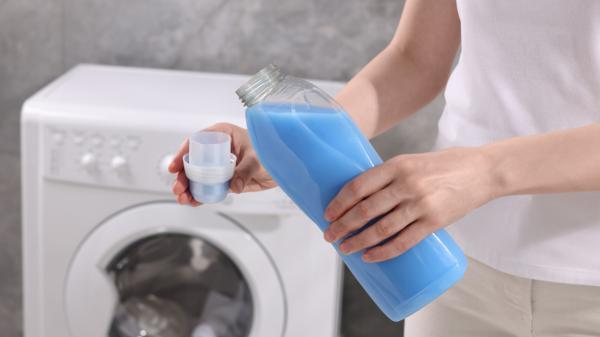
What products are really necessary to do laundry
Cintia Guich’s philosophy also points towards simplification. The creator of Mundo Sin Residuos, who practices a lifestyle zero waste Since 2018, it has proposed cleaning alternatives aimed at reducing unnecessary packaging and products.
For a more sustainable laundry, it recommends using few elements and mentions products such as a simple formulation detergent and additives such as sodium percarbonate when it is necessary to bleach or treat certain stains.
The objective is not only to replace an industrial product with a homemade one, but to use only what is really needed for each wash. Using the correct dose of detergent is especially important: adding more does not necessarily mean washing better and can cause residue to remain on the fibers.
This approach fits with one of the central ideas of the zero waste movement that Guich defends: reduce before consuming. In domestic cleaning, this can translate into avoiding redundant products, purchasing formats with less packaging and extending the useful life of clothing and textiles.
Vinegar is not suitable for everything: the risks of using it in the washing machine
Just because it is a common product in the kitchen does not mean that vinegar is harmless in any context. Here it is worth introducing a precaution that usually disappears from the tricks spread on social networks.
Various appliance companies warn that repeated use of vinegar inside some washing machines can affect rubber components over time, especially gaskets and hoses, due to its acidity. The company advises against pouring it directly into the drum and recommends consulting the specific instructions for the appliance.
For that reason, before turning half a cup of vinegar into a permanent routine, it is wisest to check the washing machine manual. It should also not be mixed with bleach: combining an acid like vinegar with hypochlorite can cause the release of dangerous chlorine gas.
Vinegar can, therefore, have useful applications in the care of certain textiles, but it is not a universal solution. Truly sustainable laundry starts even earlier: wash only when necessary, use efficient programs, choose low temperatures when the garment allows it, correctly dose the detergent and take care of the clothes to prolong their useful life.
If you want to read more articles similar to Goodbye to fabric softener: why more and more people use vinegar in the washing machine and what benefits and risks it has, we recommend that you enter our Ecological Products category.
