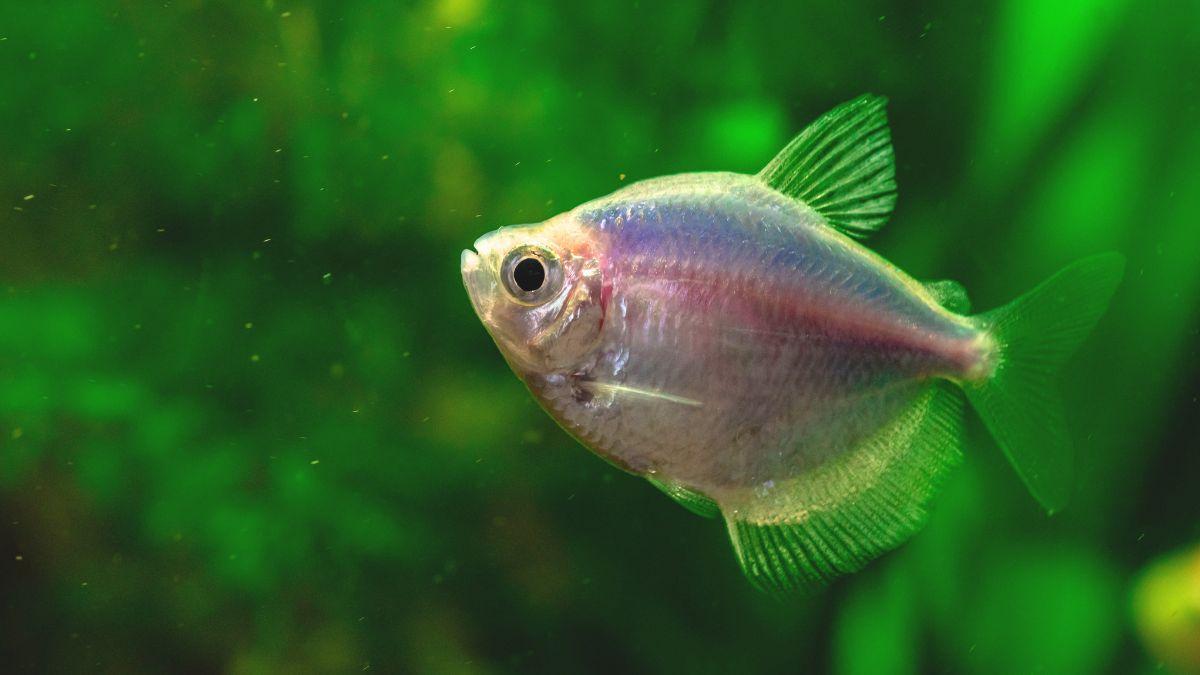
The Amazon, one of the most biodiverse biomes on the planet, still keeps secrets. In March 2026, researchers from Ecuador’s National Biodiversity Institute and other institutions published the first inventory of fish from the Conambo River. They documented 118 species grouped into 7 orders and 31 families, including several not previously recorded. The discovery demonstrates that, in the 21st century, unexplored basins continue to harbor hidden wealth. However, agricultural expansion, mining and dam construction threaten these fragile ecosystems.
A hidden corner of the Amazon: the Conambo River
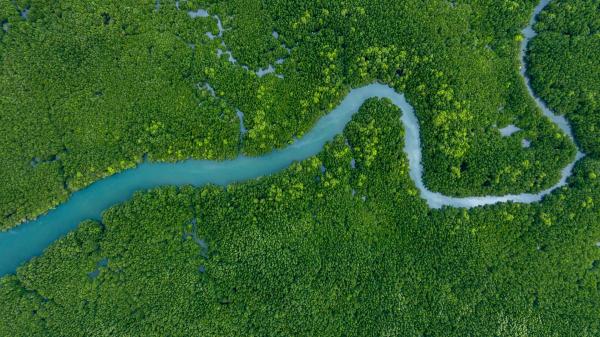
The Conambo rises on the eastern slopes of the Ecuadorian Andean mountain range and runs for about 215 kilometers until it merges with the Pindo, forming the Tigre and, finally, the Marañón and the Amazonas. Its basin, of 7,316 km², passes through lowland jungles where the Achuar, Zápara and Shiwiar indigenous peoples live.
Access is difficult and the human impact is almost non-existent: the communities live on subsistence agriculture and artisanal fishing, which has kept the waters clean. The National Biodiversity Institute considers it a “natural laboratory” to understand biodiversity.
The hydrochemical heterogeneity of the river, with variations in pH and conductivity between the upper and middle reaches, creates a mosaic of microhabitats that favors the diversification of fish.
Throughout its course, the Conambo meanders through primary jungles, floodplain forests and indigenous territories, feeding lagoons and rivers that serve as a refuge for endemic species. Their pristine state and the absence of dams or major roads explain why ichthyofauna, i.e. fish-focused fauna, remained unstudied until the 21st century, and highlight the importance of protecting these basins from the pressures of colonization and extractivism. Its crystal clear waters hold even more secrets.
The discovery of 118 new species in the Amazon
The research published in PeerJ showed the Conambo inventory with the identification of 118 species of freshwater fish distributed in 7 orders and 31 families. Characiformes and siluriformes predominate, with families such as Characidae, Loricariidae and Cichlidae that present high diversity and key ecological roles.
Among the documented species are characids, such as Aequidens tetramerusand prochylodontids, such as Prochilodus nigricansnew records for Ecuador, and also species that could be new to science.
Although this is the first inventory considered complete, the authors recognize that the diversity may be greater and highlight the need for more studies. The list includes species with benthic and pelagic habits, from tiny tetras to large catfish, each adapted to specific niches in the basin.
These discoveries enrich national scientific collections considerably. This finding represents a significant advance for South American ichthyology and, of course, reinforces the importance of pristine areas as biodiversity reserves.
The Amazon: an ecosystem full of still unknown biodiversity
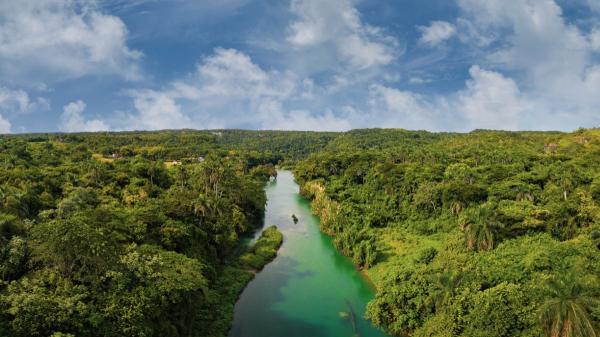
The Amazon basin, with more than six million square kilometers, discharges 16% of the world’s fresh water and is home to the greatest diversity of fish on the planet. Around 2,257 species of fish have been documented, of which 1,248 are endemic, and also many more species of other types of vertebrates.
However, scientists have described only 1.9 million species globally, while estimates suggest between 10 and 20 million, with large unknowns. In the Amazon, remote sub-basins such as the Conambo show that many species are still unknown.
The World Wildlife organization mentions that the advance of agriculture, deforestation, mining and the construction of dams threatens these ecosystems and can cause extinctions before we know their biodiversity. Protecting these landscapes is vital not only to preserve wildlife, but also for the more than 30 million people who depend on the Amazon’s ecological services.
Science and research: how new species are discovered
The description of a new species requires rigor. In the Conambo, researchers took samples during high and low water seasons using gill nets, hooks, poles, and hand nets. In streams they resorted to barbasco root, an ancestral technique shared by the Shiwiar and Zápara communities. Subsequently, the specimens were anesthetized, fixed in formaldehyde and preserved in ethanol for identification in the laboratory.
In the laboratory they were compared with taxonomic keys and reference collections to determine if they corresponded to described species.
To formally describe a species requires a “type specimen,” the publication of a detailed diagnosis, and peer review. When morphological differences are subtle, genetic testing is applied to confirm their identity.
Currently, techniques such as environmental DNA (eDNA) and metabarcoding allow communities to be detected from DNA fragments present in water. This method, tested in the Amazon basin, identifies the composition of fish without capturing them through water filtration, amplification with universal primers and sequencing of gene fragments. These tools complement traditional inventories and facilitate the study of biodiversity in remote areas of the region.
If you want to read more articles similar to The Amazon still hides secrets: 118 new species discovered in Ecuador, we recommend that you enter our Biodiversity category.
