
Road ditches are usually kept clear and with very short grass to prevent vegetation from invading the road. However, this practice can have consequences for biodiversity, especially for bees and other pollinating insects. A study from the University of Ottawa (Canada) has discovered that reducing the frequency of mowing and applying herbicides more selectively can favor their presence: less intensively managed margins recorded 23% more species.
The research, published on September 22, 2026 in the scientific journal Insect Conservation and Diversitydemonstrates that these spaces can play an important role as habitats for insects. And the most striking thing is that it is not necessary to carry out major interventions to achieve this: it is enough to modify some common maintenance practices.
23% more pollinator species in the least mowed roadsides
To see how road maintenance affects pollinators, the research team compared 31 rural sites in Ontario, around Ottawa, Canada. Monitoring was carried out for two years, between 2023 and 2024, in areas that received different vegetation management treatments.
On the one hand, they studied the margins of Lanark County, where mowing is done twice a year and invasive plants are eliminated locally, using herbicides or manual removal. On the other hand, they analyzed roads in Ottawa and Leeds and Grenville counties, where several annual mowings were carried out and herbicides were applied more extensively.
During the investigation, scientists captured and identified 3,773 specimens belonging to 153 different species. Of them, 100 were species of bees and 53 of hoverflies, pollinating insects that belong to the group of flies and are often confused with bees or wasps.
The results showed that the margins with less intensive maintenance housed an average of 26.9 species per site, compared to the 21.8 recorded in the areas with conventional management. This represents approximately 23% more pollinator species.
Additionally, the researchers found 45% more pollinator specimens in the ditches with less mowing. However, this last result requires a qualification: the difference depended largely on a few very abundant species and was no longer statistically significant when they were excluded from the analysis. The increase in species richness, however, was maintained.
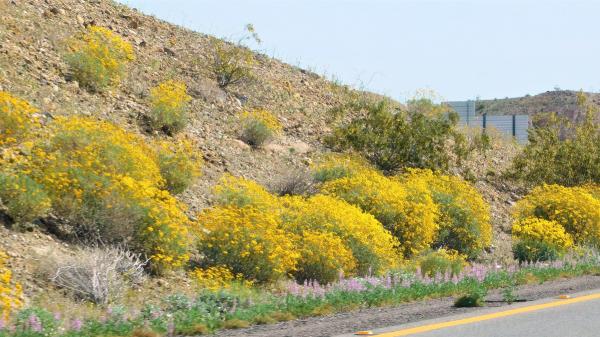
Why over-mowing harms bees and other insects
The explanation lies in the resources offered by spontaneous vegetation. Wildflowers provide nectar and pollen, two essential foods for bees and other pollinating insects. When roadsides are mowed too frequently, many of their food sources disappear.
Intensive mowing can also eliminate places where some insects find shelter or build nests. For example, certain bees take advantage of the hollow stems of plants and other elements of vegetation to reproduce.
Added to this is the effect of herbicides when they are applied widely. Indiscriminately removing plants from roadsides reduces the availability of flowers and, therefore, the resources these animals need to survive.
Jessica Forrest, professor of biology at the University of Ottawa and principal investigator of the study in Canada, explained that she was surprised by the difference that two relatively small changes in road maintenance could make. According to the university, the margins with less intensive management had more bees and hoverflies, in addition to a greater variety of species.
The researcher also highlighted that it was not necessary to completely transform these spaces. “You don’t have to plant anything new or spend more money to get benefits. You just have to let the roadsides be a little less tidy,” he said.
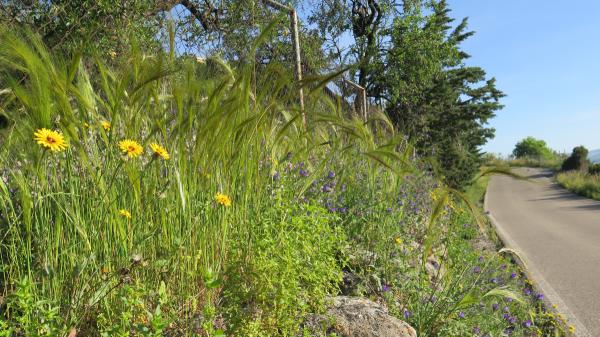
Roads can also become havens for biodiversity
The results show that ditches do not have to be only spaces intended to keep the edges of the roads clear. If managed properly, they can provide habitats for different species and help connect otherwise separate natural areas.
The authors of the study remind, however, that maintenance is still necessary. Vegetation should not impede drivers’ visibility or encroach on safety zones, and invasive species should also be controlled to prevent their spread.
Jessica Forrest insists there is no need to choose between keeping roads safe and protecting pollinators. The key is to reduce interventions where they are not essential and use more selective methods.
Thus, a change as simple as delaying some mowing or avoiding the widespread use of herbicides could help conserve biodiversity in spaces that often go unnoticed. Sometimes letting nature be a little less tidy can also be a way to protect it.
If you want to read more articles similar to They decide to mow the ditches less and get 23% more pollinator species: “You just have to let the road margins be a little less tidy”, we recommend that you enter our Biodiversity category.
