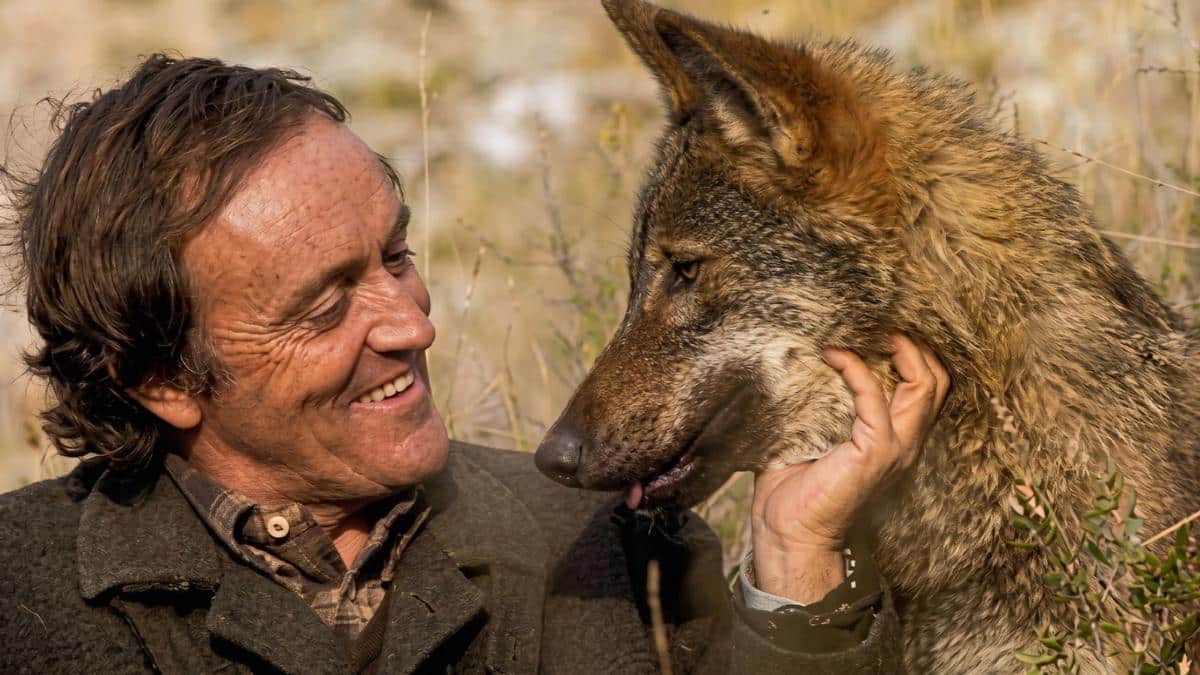
Félix Rodríguez de la Fuente dedicated a good part of his life to bringing nature closer to millions of people. With his documentaries, his interventions on television and his defense of wildlife, he contributed to awakening greater environmental sensitivity in Spain. A phrase attributed to him summarizes this way of understanding the world: “People must love and respect the Earth, as they love and respect their own mother.”
His message went beyond admiring landscapes or knowing animal species. The naturalist defended a relationship with the environment based on respect and the recognition that human beings are also part of nature. Decades after his death, his legacy is still present in environmental dissemination and in the way of bringing biodiversity closer to the public.
Loving the Earth like a mother: the vision of Félix Rodríguez de la Fuente
Born in Poza de la Sal (Burgos) on March 14, 1928, Félix Rodríguez de la Fuente studied Medicine, although his professional career ended up focusing on zoology, animal observation and dissemination. His interest in falconry and wildlife marked much of his later work.
Its popularity grew thanks to television, where the behavior of animals aroused the interest of viewers of different ages. Instead of presenting fauna as a distant element, their programs showed their survival strategies, their relationships and their role in ecosystems.
The phrase about loving and respecting the Earth as a mother fits with that vision: nature is not only a resource that people can take advantage of, but the environment on which life depends.
The National Center for Environmental Education (CENEAM) addresses precisely the influence of Rodríguez de la Fuente on environmental education. The analysis highlights its contribution to the dissemination of natural sciences and the change in environmental awareness experienced by Spanish society during the second half of the 20th century.
The RTVE documentary that allows us to get closer to his legacy
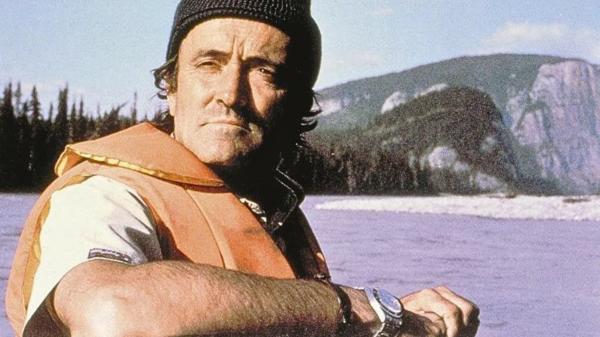
One of the best ways to understand the way in which Rodríguez de la Fuente transmitted his passion for animals is to visualize Man and the Earththe series he directed between 1974 and 1980 and which became one of the great references for the dissemination of nature in Spain.
Among its episodes is El macho montés I, available in the RTVE archive. Broadcast on December 26, 1975, the episode follows the life of a male ibex and reconstructs some of the challenges he faces, from the dangers of his early years to the fights for leadership of the herd.
The interest of this type of production does not lie solely in the images of wild animals. It is also in the way of telling their lives and showing that each species faces difficulties, establishes relationships and plays a role in its environment.
Rodríguez de la Fuente got the public interested in behaviors that until then were unknown to many viewers. This capacity for dissemination helped bring Iberian fauna closer to homes and aroused curiosity about its conservation.
Helped change the image of wild animals in Spain
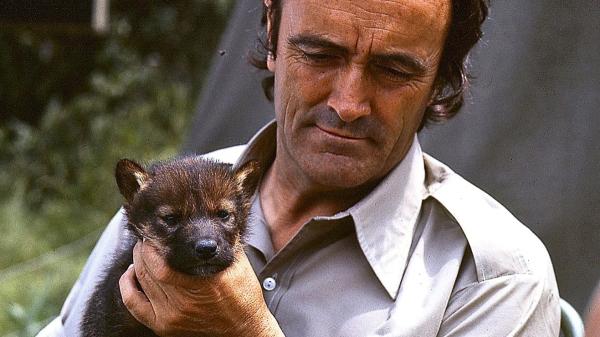
In Spain in the 1960s and 1970s, many wild animals were still considered a threat to people, livestock or game species. Félix Rodríguez de la Fuente contributed to changing that perception by showing on television how these animals lived and what role they played in their environment.
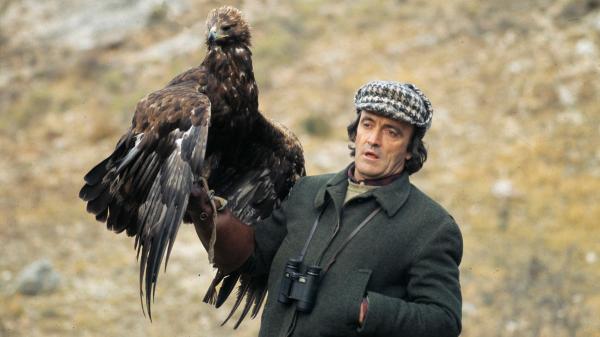
One of the most representative examples was the Iberian wolf, a species persecuted for decades. Instead of presenting it solely as a danger to livestock farming, the naturalist defended the need to know its behavior and understand its place in nature. He also dedicated part of his work to birds of prey, such as the imperial eagle, whose relationship with humans he knew well thanks to his experience with falconry.
This approach helped bring millions of viewers up close to species they had rarely been able to observe up close. Their programs particularly contributed to transforming the image of the wolf and awakening greater interest in wildlife.
His contribution consisted, to a large extent, in changing the question: instead of judging an animal for the conflicts it could cause, he invited us to discover how it lived and why it was important to understand it. A perspective that helped pave the way for a more respectful vision of wildlife.
The environmental legacy of Félix Rodríguez de la Fuente remains valid
The importance of Rodríguez de la Fuente is not limited to the memory of his programs. His career is an example of how dissemination can contribute to transforming the social perception of animals and natural spaces.
The Ministry for the Ecological Transition and the Demographic Challenge, through CENEAM, collects materials dedicated to his legacy and his role as a pioneer of environmental dissemination. These resources also allow us to contextualize the changes experienced by ecological awareness and nature conservation in Spain.
His work was especially linked to the defense of wild animals that for years were persecuted or considered harmful. The wolf is one of the most representative examples of this informative work: Rodríguez de la Fuente contributed to changing the image of an animal that had traditionally been presented as a threat and explaining its behavior from a naturalistic perspective.
Its influence is also related to environmental education. The study by Miguel Ángel Pinto Cebrián published by CENEAM, Félix Rodríguez de la Fuente and his role in environmental education: beyond memory, analyzes how his message left its mark on different generations and contributed to bringing knowledge of nature closer to society.
Félix Rodríguez de la Fuente died on March 14, 1980 in a small plane accident in Alaska, while working on a new audiovisual production. His legacy remains in his documentaries and in his educational work, which helped bring nature closer to several generations and foster greater awareness about the importance of conserving it.
If you want to read more articles similar to Félix Rodríguez de la Fuente, the pioneer of environmental dissemination in Spain: “People must love and respect the Earth, as they love and respect their own mother”, we recommend that you enter our Other environment category.
