The nacra, one of the most endangered mollusks in the Mediterranean, once again shows signs of life in the Mar Menor. The latest scientific monitoring has made it possible to locate around 450 new specimens, an especially important finding after years of massive mortality that left this species on the brink of disappearance. Natural reproduction in the Murcian lagoon is a reason for hope for its conservation, but it also poses new challenges to guarantee its survival.
The particular conditions of its waters, especially its high salinity, could be favoring the population’s resistance to the parasite that has decimated nacras in much of the Mediterranean. Even so, researchers remain cautious: there is still a long way to go to consolidate this recovery and ensure the future of the species.
The nacra reproduces again in the Mar Menor after years of mass mortality
The Mar Menor is registering positive signs in the recovery of the common nacra (Pinna nobilis), one of the most emblematic mollusks of the Mediterranean and also one of the most endangered. The latest scientific monitoring has made it possible to locate around 450 new specimens, a particularly relevant finding after the episodes of mass mortality that drastically reduced their populations starting in 2016.
The appearance of young specimens represents an important advance, since it shows that the species maintains its reproductive capacity in the Murcian lagoon. This process of natural renewal is essential to guarantee its long-term survival, although it is still early to talk about a consolidated recovery.
The Mar Menor constitutes one of the main refuges that preserves this species in Spain. Its environmental characteristics, especially its high salinity, have contributed to maintaining a population that has disappeared from a good part of its Mediterranean distribution.
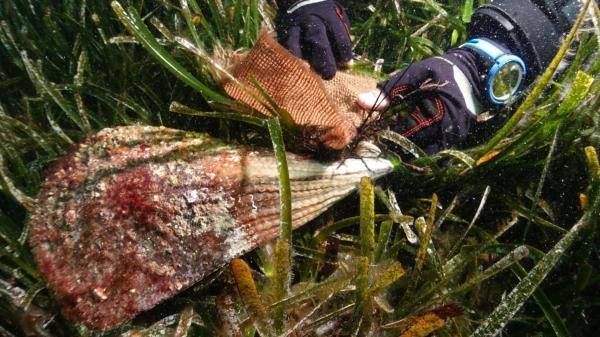
The high salinity of the Mar Menor could protect the nacras from the deadly parasite
One of the factors that could explain the survival of the common nacra in the Mar Menor is the high concentration of salt in its waters. This environmental characteristic seems to hinder the spread of Haplosporidium pinnaea parasite that has caused massive mortality of this species in different areas of the Mediterranean.
Scientific studies indicate that the pathogen finds especially favorable conditions to develop when salinity is between 36.5 and 39.5 grams of salt per liter. In the Mar Menor, this parameter is currently around 40 grams per liter, a concentration that could limit the activity of the parasite and favor the survival of the specimens.
This particularity makes the Murcian lagoon an enclave of special importance for the conservation of the species. However, this natural protection is not guaranteed. Episodes of intense rain, inflows of fresh water from the boulevards and other environmental changes can modify the salinity of the lagoon. A significant alteration of this balance could reduce the advantage that nacras currently have against the disease.
For this reason, researchers insist on the need to maintain continuous monitoring of the evolution of water conditions and avoid taking the recovery of the species for granted.
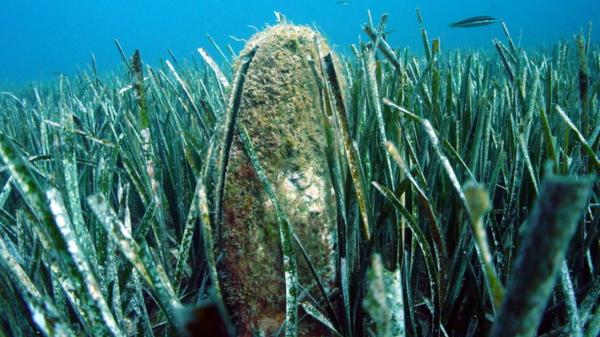
More than 30 measures to prevent nacra from disappearing again
The recovery of nacra in the Mar Menor requires more than just favorable environmental conditions. To reinforce the survival of this species, the Region of Murcia has promoted a specific Recovery Plan that includes more than 30 measures aimed at protecting existing specimens and promoting population growth.
The program includes permanent scientific monitoring to understand the evolution of the populations, locate new juvenile specimens and control the presence of possible pathogens. It also contemplates captive breeding initiatives, genetic conservation and the development of reproductive protocols that allow future reintroductions if conditions permit.
Another priority is to protect the seabed where nacras live. To this end, it is proposed to reinforce surveillance of sensitive areas, control boat anchorages and reduce activities that could directly harm the specimens or alter their habitat.
The plan covers more than 28,000 hectares of the Mar Menor and its coastal strip. Its ultimate goal is to achieve a sufficiently stable population to guarantee the long-term survival of the nacra, preventing current advances from being compromised by new environmental alterations.
The 450 new copies are a hope, but recovery is not yet assured
The appearance of around 450 new nacras in the Mar Menor represents positive news for the conservation of one of the most endangered species in the Mediterranean. After years marked by high mortality, the presence of young specimens offers reasons to think that the population still has the possibility of recovering naturally.
However, specialists remain cautious. The reproduction of the species is only part of the process, since new specimens must overcome different stages of growth and reach maturity to contribute to the renewal of the population.
Scientific monitoring will allow us to verify whether these new specimens manage to establish a stable population and whether the conditions that currently favor their survival continue to be sufficient.
For now, the 450 new nacras are an encouraging sign, but also a reminder of the importance of protecting the ecosystem. The recovery of this species will be a long process and will depend on the ability to preserve environmental conditions that allow its development.
If you want to read more articles similar to The nacra reproduces again in the Mar Menor: 450 new specimens of this threatened mollusk appear, we recommend that you enter our Biodiversity category.