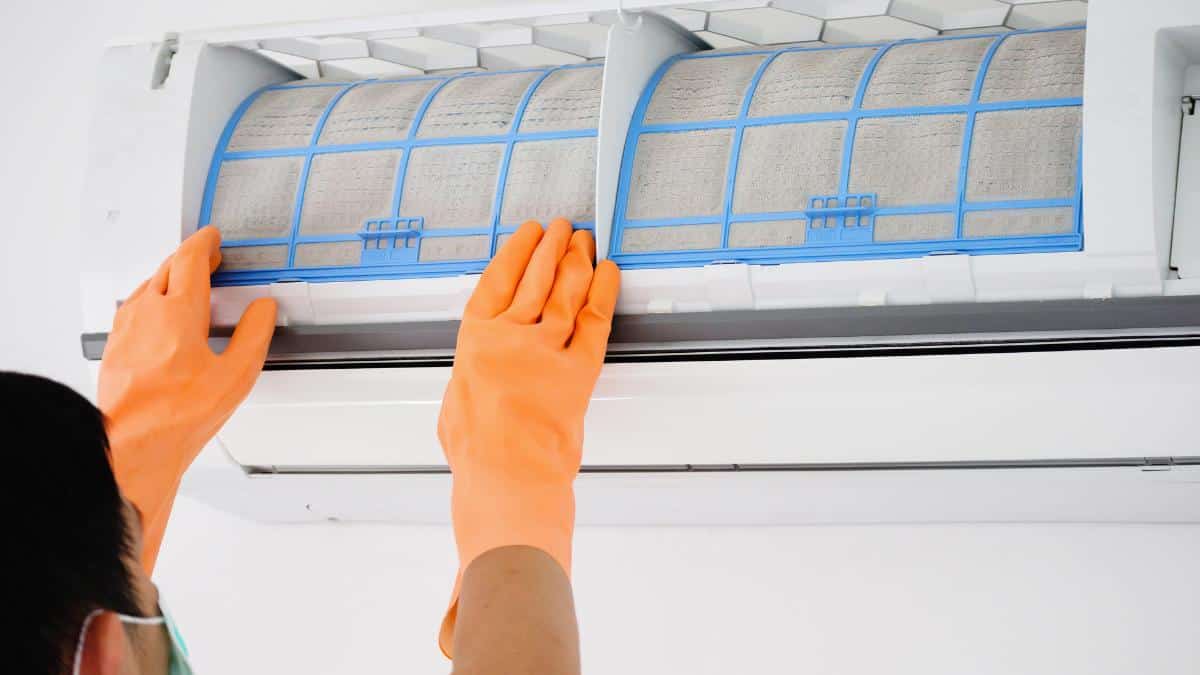
When summer arrives, air conditioning becomes one of the great allies to combat high temperatures at home. However, using it correctly is not just about turning it on and choosing a comfortable temperature. Some habits with the remote control or related to the maintenance of the device can cause it to consume more electricity and perform worse.
This is explained by SIT Granollers, a company specialized in air conditioning, in one of their videos published on TikTok. The company points out three common mistakes when using the air conditioning during the hottest months: incorrectly using the “Dry” mode, setting a temperature that is too low and forgetting to clean the filters frequently.
The “Dry” mode does not cool as you think: this is its true function
One of the most common mistakes is to use the “Dry” mode thinking that it works the same as the cooling mode. However, as explained by SIT Granollers, the function of this mode is mainly to reduce the humidity of the environment.
When “Dry” is selected, the appliance works in a similar way to a dehumidifier. The objective is to remove part of the moisture present in the air, while the air flow expelled is smoother. Therefore, although it may generate a certain sensation of coolness, it should not be confused with the normal operation of the cold mode.
This feature can be especially useful when the main problem is a very humid environment. On the other hand, when what you are looking for is to clearly reduce the temperature of a room during a heat wave, the cooling mode is the one that is specifically designed for that task.
The difference is important because using a function thinking that it does something else can cause the user to not achieve the level of comfort they are looking for and end up constantly modifying the device’s settings.
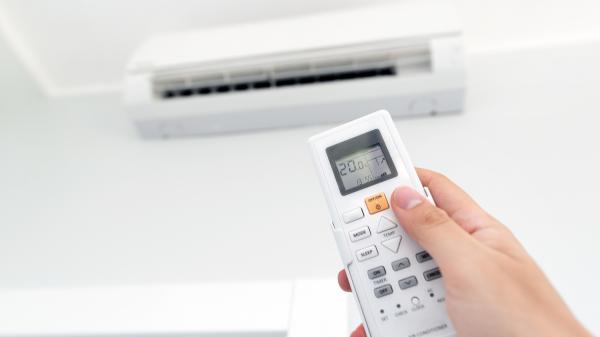
Why setting the air conditioning to 16 degrees will not make it cool faster
Another common mistake is to lower the control temperature to 16 degrees with the intention of making the room cool down more quickly. According to SIT Granollers, this strategy does not make the air conditioning cool faster.
The appliance will continue to operate according to its cooling system, but by setting the temperature so low it may take longer to reach the selected temperature and, therefore, the compressor will remain running for longer. The result can be increased electricity consumption.
The idea of turning the air to minimum to cool quickly is quite widespread, especially when you get home after spending several hours in the heat. However, setting an extreme temperature does not mean that the device will work at a proportionally higher speed.
Therefore, instead of using 16 degrees as a strategy to quickly cool a room, it is more reasonable to select a comfort temperature and let the system work until it is reached.
Furthermore, maintaining an excessive difference between the outside and inside temperatures is not usually the most efficient option either. The objective of air conditioning should be to achieve a comfortable indoor temperature without unnecessarily straining the operation of the equipment.
A dirty filter can cause the appliance to perform much less
The third error pointed out by the air conditioning company has to do with one of the simplest elements to maintain: the air conditioning filters.
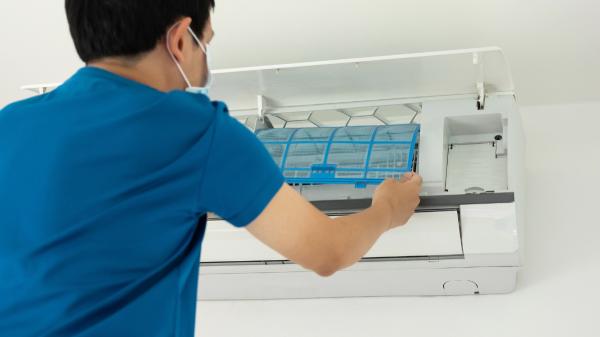
SIT Granollers recommends cleaning them every 15 or 30 days during the season of greatest use, since the accumulation of dirt can considerably reduce the performance of the device. In the video, the company assures that not carrying out this cleaning can reduce its performance by half.
Filters have precisely the function of retaining particles and dirt present in the air. Over time, that buildup can hinder airflow and make it harder for your equipment to function properly.
In summer, when the air conditioning can remain on for many hours a day, this issue becomes even more important. That is why it is advisable to periodically check the condition of the filters and clean them following the manufacturer’s instructions.
The specific frequency will also depend on the use of the device and the conditions of the home, but the recommendation that appears in the video is to check and clean them approximately every two or four weeks during the months of greatest use.
The importance of knowing how to use and maintain the air conditioning correctly so that it works better
The three tips explained have one point in common: using the device correctly can be as important as having efficient equipment. It’s not just about choosing a certain temperature, but about understanding what each function does and keeping the system in good condition.
In addition to helping maintain good performance, taking care of the device allows you to detect possible operating problems sooner. If, despite having clean filters and using the equipment correctly, the air conditioning cannot cool as it should, it may be a sign that it needs a professional inspection.
With high temperatures becoming more common during the summer, the air conditioning can remain on for many hours. Therefore, small habits such as checking filters periodically or avoiding unnecessarily extreme settings can make a difference throughout the entire season.
If you want to read more articles similar to An air conditioning expert warns: “Not cleaning the air conditioning filters every 15 or 30 days in summer reduces its performance by half”, we recommend that you enter our Energy Savings category.
