
Every summer, thousands of air conditioners generate liters of water that ends up directly in the drain. It is an automatic gesture that goes unnoticed, but it means wasting a resource that, although not suitable for consumption, can have a second life in certain household tasks. In a context marked by high temperatures and the need to save water, more and more experts remember that this condensation water can be used safely if used correctly.
Of course, it is worth being clear that it does not work for everything. The water produced by an air conditioner is not potable and should not be used for cooking or drinking. However, due to its characteristics, it is useful for some household tasks, from cleaning to caring for certain plants. The key is to know its limitations and avoid uses that could put your health at risk.
The detail that makes air conditioning water unsuitable for drinking
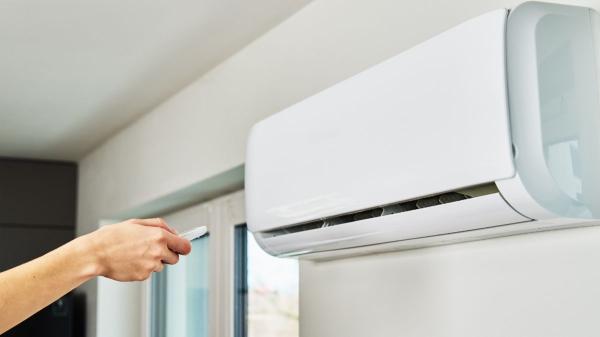
The water that comes out of the air conditioning comes from the condensation of the humidity present in the environment. When the device cools the air, the water vapor transforms into liquid and is collected through the drainage system.
This process makes it a water with very low mineralization, similar in some aspects to distilled water. However, that does not mean that it is suitable for consumption. When passing through the interior of the equipment, you may come into contact with dust, microorganisms, bacteria, fungi or debris accumulated in the circuit, especially if the device does not receive adequate maintenance.
For this reason, specialists advise against using it for drinking, cooking, preparing food, making ice or watering pets. It is also not recommended to use it for personal hygiene.
The uses of air conditioning water that experts recommend
Although it is not drinkable, this water can be very useful for different household tasks. Reusing it allows you to take advantage of a resource that would otherwise end up being wasted, especially during the months in which the air conditioning remains on for many hours a day.
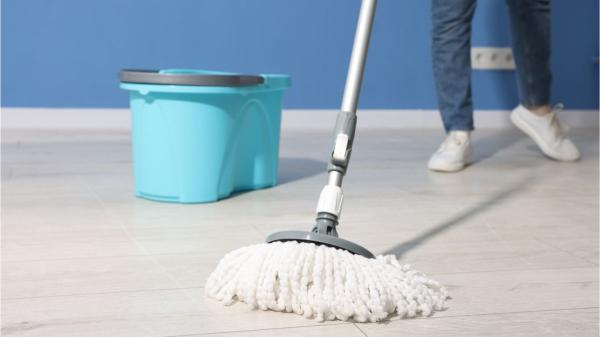
One of the most common uses is home cleaning. It can be used to mop floors, clean terraces, patios or balconies, wash windows or remove dust from outdoor furniture.
It is also a good option for washing your car, bicycle or gardening tools, as it does not leave mineral residues like other harder waters.
Another frequent use is to fill the iron with steam, since its low concentration of lime helps reduce the formation of scale. Even so, it is always a good idea to consult the manufacturer’s recommendations before using it.
In some cases it can also be used in devices that accept distilled water, such as certain humidifiers or batteries, always following the manufacturer’s specifications.
Beyond the economic savings, reusing this water contributes to reducing the consumption of drinking water in tasks where it is not really necessary.
Water from air conditioning can be used for plants, but it has an important limitation
One of the most common questions is whether the water from the air conditioner can be used to water plants. The answer is yes, although with some nuances.
As it is a water with very few mineral salts, it may be suitable for species that prefer soft or slightly acidic waters. Furthermore, as it does not contain lime, it prevents the accumulation of mineral deposits in the substrate, a common problem in areas where tap water is especially hard.
However, this water also has an important limitation: it does not provide essential minerals for the development of plants. If used exclusively for long periods, some species could end up showing nutritional deficiencies.
For this reason, experts recommend alternating it with regular irrigation water or making sure to maintain adequate fertilization to compensate for this lack of nutrients. As with any type of irrigation, it is also advisable to use water from a clean and properly maintained device.
The mistakes you should not make when reusing air conditioning water
Just as important as knowing what it is for is knowing the uses that should be avoided.
In addition to not consuming it or using it for cooking, it should not be used to fill aquariums, prepare drinks, wash food or give water to domestic animals.
If you are going to collect it for reuse, it is also advisable to do so in a clean container and not store it for too long, since stagnant water can encourage the growth of microorganisms.
Keeping the air conditioning filters and drainage system clean also helps reduce the presence of dirt in the collected water, although this does not make it suitable for consumption.
In short, the water from air conditioning does not replace drinking water, but it can become a useful resource for certain household tasks. Taking advantage of it to clean, water some plants or carry out other activities where drinking water is not necessary is a simple gesture that allows you to reduce waste and make more efficient use of an increasingly valuable resource, especially during the summer months.
If you want to read more articles similar to Before Throwing Water Out of the Air Conditioning, discover the uses that experts do recommend, we recommend that you enter our Energy Savings category.
