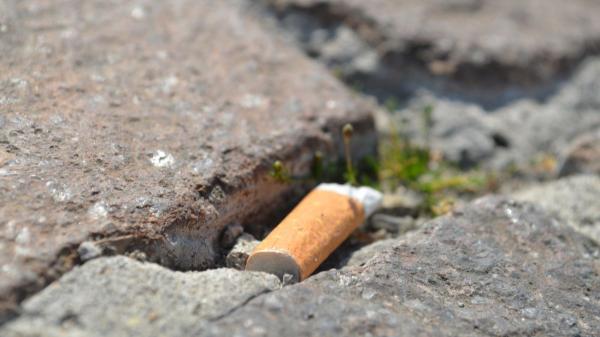
Finding cigarette butts among branches, leaves and feathers may seem like a sign of contamination. However, for some urban birds this waste has become just another material to build their nests, a behavior that has baffled scientists for years.
Now, several investigations suggest that cigarette butts could help reduce the presence of some parasites that affect chicks thanks to the compounds in tobacco. But this apparent advantage comes at a cost: the same filters also concentrate toxic substances that could put the health of the offspring at risk.
What seemed like a simple adaptation to the urban environment is, in reality, a delicate balance between the benefits of combating parasites and the dangers of living with one of the most polluting waste generated by humans.
The unexpected reason why some birds bring cigarette butts to their nests
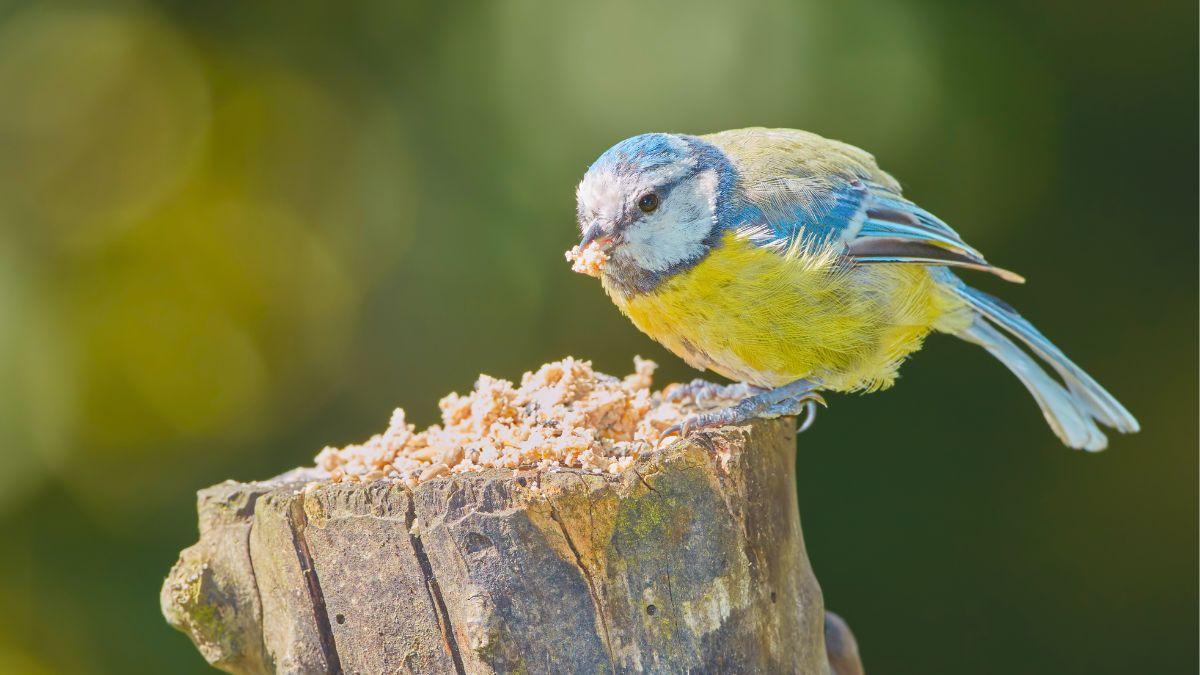
Although it may seem like strange behavior, some urban birds are incorporating cigarette butts into their nests for a practical reason. It is about protecting their young from parasites. Various investigations have observed that species such as blue tits resort to this material in urban environments, where the natural resources they traditionally used are increasingly scarce.
Under natural conditions, many birds add aromatic plants to their nests because their compounds help repel fleas, mites, ticks and other ectoparasites. However, in cities these plants are less accessible, so some species seem to have found an alternative in cigarette butts. The key is in nicotine and other compounds present in tobacco, which act as natural repellents against certain insects and parasites.
What the scientific study discovered about nests with cigarette butts
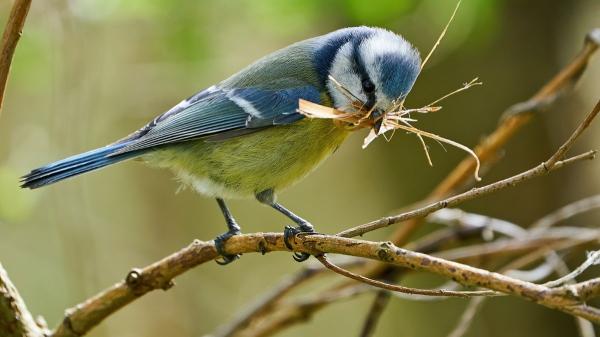
Scientific interest in the use of cigarette butts in nests has led several research teams to analyze whether this behavior provides any real advantage to urban birds. One of the most recent studies, published in 2026 in the scientific journal Animal Behavior, focused on blue tits (Cyanistes caeruleus) that inhabit urban areas of Poland.
The researchers worked with 33 clutches and divided them into three groups. In the first they added spent cigarette butts to the nests; in the second they replaced natural nests with artificial structures that were sterilized and free of parasites; the third remained unchanged as a control group. They subsequently analyzed different health indicators of the chicks, such as hemoglobin, hematocrit, glucose and physical development levels.
The results showed that chicks raised in nests with cigarette butts had higher levels of hemoglobin and hematocrit than those in the control group, suggesting a better physiological condition. However, the best results were obtained in sterilized nests, where there were practically no parasites.
By examining the nests after breeding, scientists identified various ectoparasites, such as mites, fleas, ticks and fly larvae. Natural nests recorded the highest infestations, while those containing cigarette butts showed a moderate reduction in some parasites, especially fly larvae, although the effect was not strong enough to be considered conclusive.
The authors conclude that cigarette butts could act as a kind of “partial fumigation” thanks to nicotine and other compounds derived from tobacco. Even so, they warn that this behavior should be interpreted with caution, since cigarette butts also contain potentially toxic substances that could have long-term negative effects on birds and their offspring.
Cigarette butts can also be a risk to chicks
Although cigarette butts appear to help reduce the presence of some parasites in nests, scientists warn that this strategy can also pose risks for birds. Cigarette butts contain nicotine, tar, heavy metals and other toxic compounds that remain in the filters even after they have been discarded.
The study published in Animal Behavior points out that chicks raised in nests with cigarette butts showed some better physiological indicators than those in natural nests, suggesting a possible benefit associated with the reduction of parasites.
However, the researchers remember that these results do not mean that cigarette butts are harmless to birds. The positive effects observed could be offset by harms that were not evaluated in the research, especially in the long term.
One of the main reasons for concern is the continued exposure of eggs and chicks to chemicals from the filters. These materials were designed to retain part of the toxic compounds generated during the combustion of tobacco, so they can accumulate residues that are potentially harmful to wildlife.
This is how birds are adapting to modern cities
The study also highlights that the use of cigarette butts does not seem to be an isolated behavior, but rather an example of the ability of some birds to adapt to the environments created by humans. The blue tits studied took advantage of a very abundant waste in the cities to incorporate it into the construction of their nests, partially replacing natural resources that could be more difficult to find in urbanized areas.
The researchers point out that this behavior fits within an increasingly documented phenomenon such as the use of materials of human origin by urban fauna. In addition to plastics, papers or synthetic fibers, some birds have learned to incorporate elements that provide them with a functional advantage, such as cigarette butts and their possible repellent effect on certain parasites.
According to the authors, this finding highlights how fauna can develop innovative responses to the changes caused by urbanization. However, it also reflects that some animals are adapting their behavior to the massive presence of waste generated by human activities, even integrating it into aspects as important as reproduction and care of offspring.
If you want to read more articles similar to Environmentalists are amazed: these birds reuse cigarette butts to protect their nests, we recommend that you enter our Pollution category.
