
Conflict over noise, smoke or bad odors between neighbors is not only a problem of coexistence: it also has legal consequences. In Spain, the Horizontal Property Law establishes that any annoying, unhealthy, harmful or dangerous activity may be subject to sanctions, even with the temporary loss of the right to use the home.
Article 7.2 of this law is especially clear: it states that the owner or tenant who carries out activities that are prohibited or harmful to the property may be required to cease them and, if they persist, face legal action that may result in deprivation of use of the property for up to a maximum of three years.
What is considered annoying or polluting activity in a home
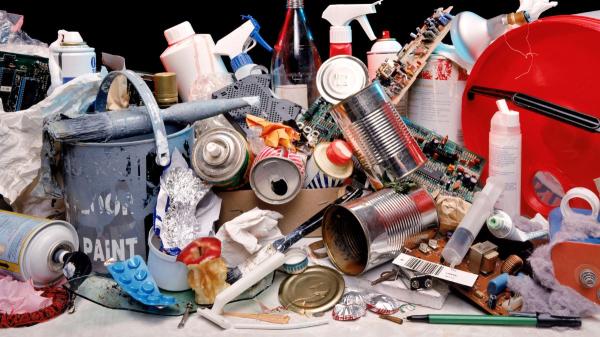
The law is not limited to noise. It includes a wide range of behaviors that can affect the health or well-being of other neighbors. Among them, the constant emission of bad odors (due to garbage, animals or domestic activities), fumes from barbecues, kitchens or defective ventilation systems, discharges or accumulation of waste and unauthorized industrial or commercial activities inside the home.
The courts have been expanding the interpretation of these behaviors, considering that any action that seriously alters coexistence may be sanctioned.
In this sense, persistent bad odors can fit into so-called “unhealthy” activities, especially if they affect the health or quality of life of other residents.
The legal procedure: from notice to temporary loss of housing
The law establishes a gradual process before reaching an extreme sanction. It all begins with a formal request from the president of the community or the administrator, demanding the immediate cessation of the annoying activity.
If the neighbor does not correct his behavior, the community can approve in a meeting to initiate legal action. At that point, the judge can adopt precautionary measures, such as the immediate suspension of the activity.
In the event of a ruling favorable to the community, the consequences can be severe: definitive cessation of the activity, compensation for damages and deprivation of the right to use the home for up to three years.
This last point is especially relevant, since it does not imply the loss of the property, but it does imply the impossibility of inhabiting the property during that period.
Environmental impact and coexistence: beyond the neighborhood conflict
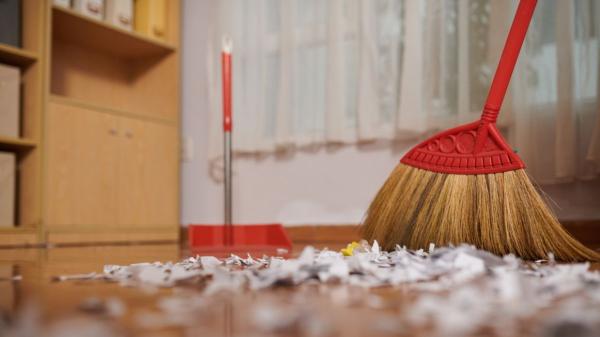
The problem of odors and emissions in homes also has an environmental dimension. Domestic pollution is less visible than industrial pollution, but it can affect indoor air quality and people’s health.
The World Health Organization warns that exposure to pollutants in closed spaces is related to respiratory and cardiovascular problems.
In dense urban environments, such as residential buildings, these effects are multiplied. A single emission source can affect multiple homes, which explains the growing legal sensitivity towards this type of behavior.
The European Environment Agency also highlights that air quality in inhabited spaces is a key factor for public health.
In this sense, Spanish legislation reflects a clear trend: toughening measures against behaviors that affect both the environment and coexistence.
Although the Horizontal Property Law is the main instrument in these cases, municipal regulations on waste, health or pollution may also apply, which contemplate additional sanctions.
In cities like Madrid or Barcelona, local ordinances include specific limits for emissions, odors or waste management, reinforcing the existing legal framework.
This is what affected neighbors can do
When faced with a situation of bad odors or persistent contamination, experts recommend acting progressively: first try an amicable solution, communicate the problem to the president or administrator of the community, document the inconvenience (photos, videos and reports) and go to court if there is no solution, as a last resort.
Beyond the sanctions, the debate on odors and pollution in homes points to a cultural change. Coexistence in urban environments increasingly demands more individual responsibility, especially with regard to the environmental impact of our daily actions.
The possibility of losing the use of a home for three years may seem like an extreme measure, but it reflects the importance that the law gives to collective and environmental health, as well as respect between neighbors.
In a context of growing concern about air quality and sustainability, these conflicts are no longer mere domestic problems but have become a matter of general interest.
If you want to read more articles similar to It’s official: the neighbor who causes bad odors or pollution can lose their home for up to 3 years in Spain, we recommend that you enter our Pollution category.
