There is no model suitable for everyone: cities, trips, terrain traveled and family composition change needs. To choose, it can be useful to start from your daily life, also considering duration, materials and impact of what we buy
This article is sponsored by

Choosing a stroller means imagining an everyday life that we don’t yet fully know. Do we live in an urban center or not? How much will we walk during our days? Will we use buses and trains often? Will we find ourselves constantly getting in and out of the car? Will we spend weekends in the city or will we more often travel along paths and dirt roads?
They are very concrete questions, but they tell us something more: the way we imagine our life with a child. And it is precisely here that it can be useful to start, rather than from a simple list of functions and technical characteristics.
Over time, the needs will also change. The first steps will arrive and the stroller will increasingly become a support for travel, gradually leaving room for independent movement. Walking, exploring, trying to move away and then returning towards the adult are important experiences for motor development and for the progressive achievement of autonomy.
In short, the most suitable stroller is not necessarily the one that can do the most things: it is the one that can best accompany the real life of the family.
Getting around the city
Starting from the idea that every family has different habits, needs and ways of experiencing travel, some of Bugaboo’s proposals are born, which develops solutions designed to accompany parents and children in the different contexts of daily life. From the city to nature trails, from travel to everyday life with two children, the choice can thus start not from the stroller itself, but from how and where it will actually be used.
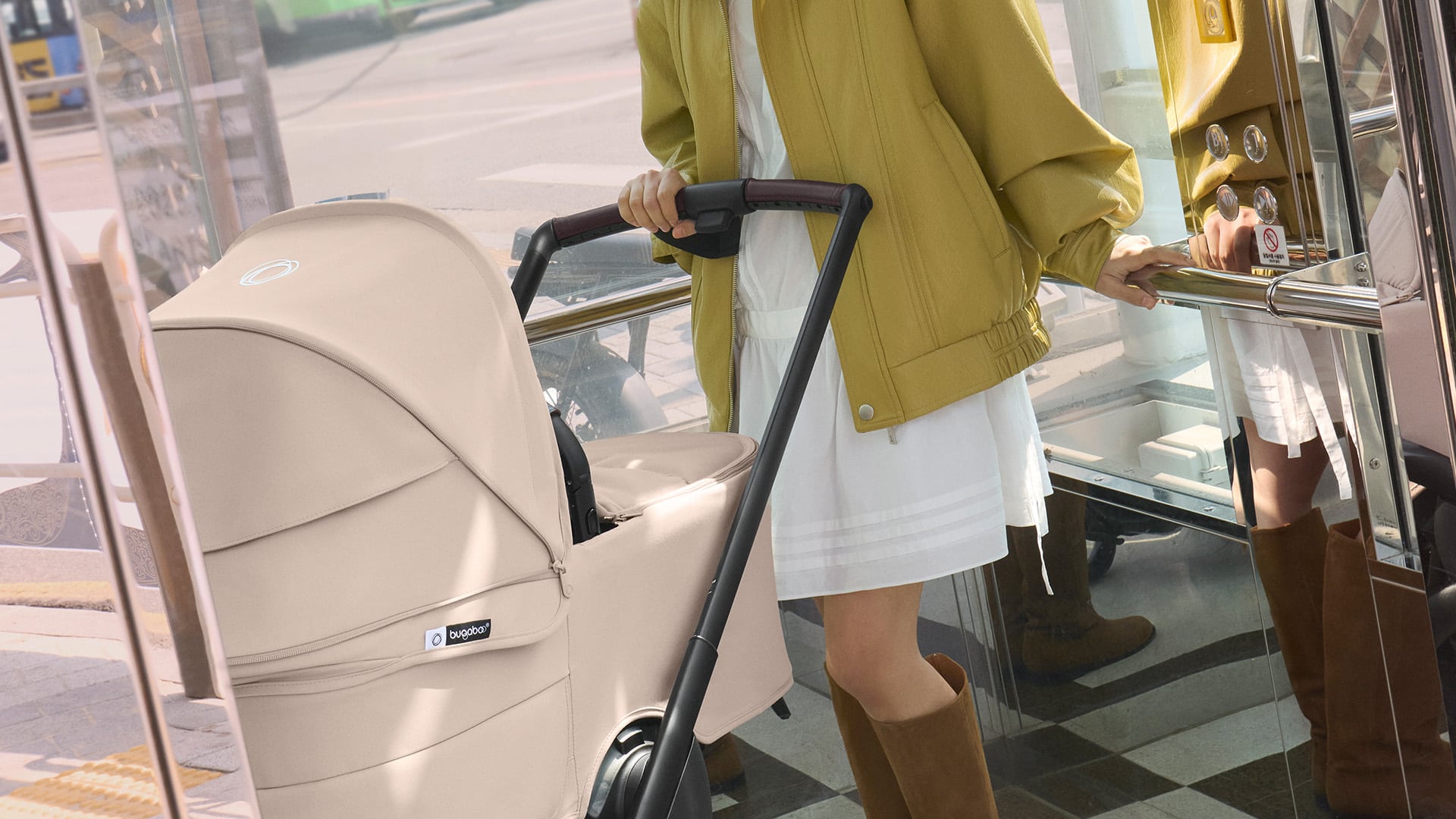
Focusing on metropolitan realities, for example, when a child is born, even places that we know very well can appear different to us. A narrow sidewalk, a few steps at the entrance to a shop, the home elevator that suddenly seems tiny. And then buses, subways, doors to go through and maybe a bag to carry while we have to do everything else with the other hand.
For those who mainly live in the city, small dimensions, easy handling and ease of opening and closing become important.
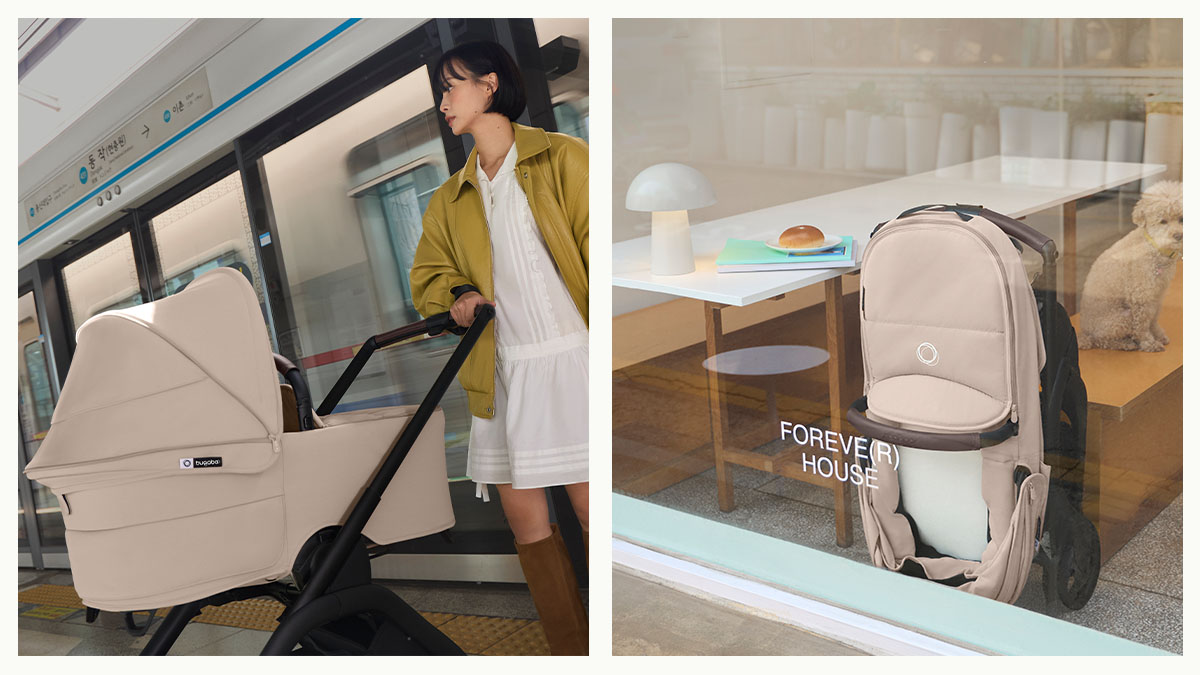
The Bugaboo Dragonfly Plus was designed precisely to respond to this type of everyday life: compact, with full suspension and responsive steering. It can also be folded with just one hand without having to remove the carrycot or seat (a detail that can make the difference in moments when you have few free hands!).
When the asphalt ends
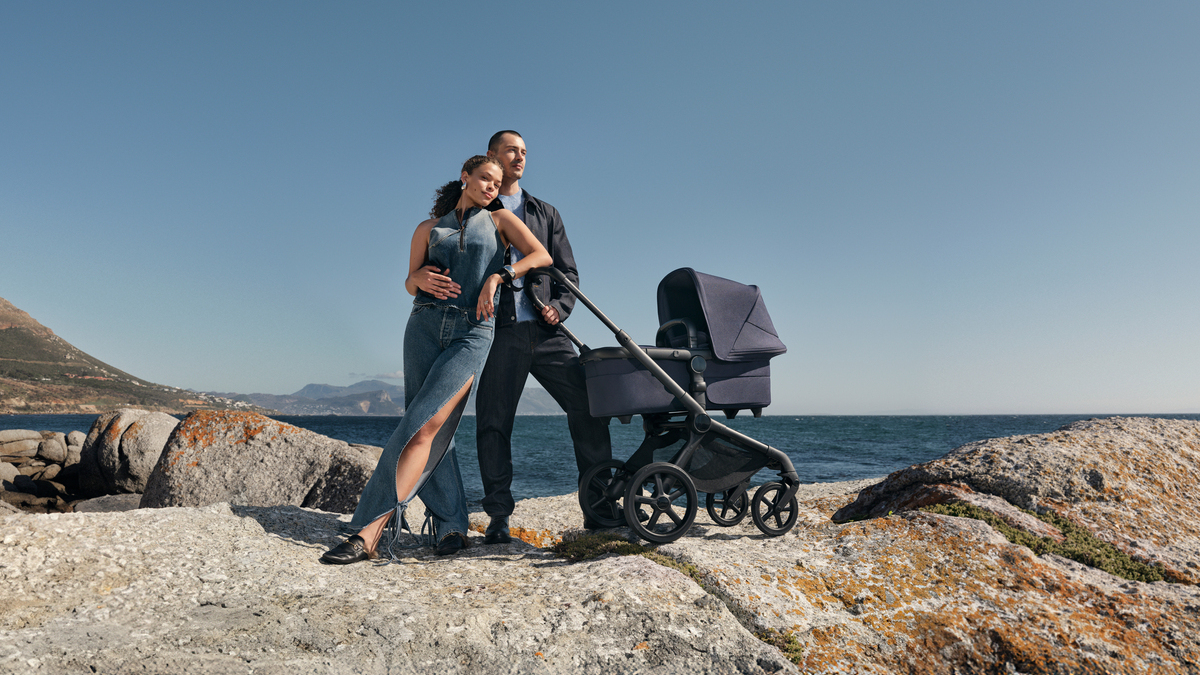
For other families the daily landscape is different. Country roads, dirt paths, parks. As the child grows, he will increasingly demonstrate the desire to walk and have experiences on these surfaces: explore, pick up something from the ground, stop, start again.
Moving on different surfaces, when it is possible to do so safely, offers children opportunities to experiment with their bodies in space and progressively exercise balance and coordination.
If these routes are part of family life, something different is also asked of the stroller: stability, wheels suitable for different surfaces and the ability to absorb the irregularities of the ground.
Fox 5 Renew is an all-terrain model equipped with large wheels and designed to tackle different surfaces. Also in this case, closing can be done with just one hand. It should also be noted that aluminum and recycled fabrics are used in its production, a choice that has allowed the CO₂ footprint to be reduced by 30% compared to previous models.
If there are two children
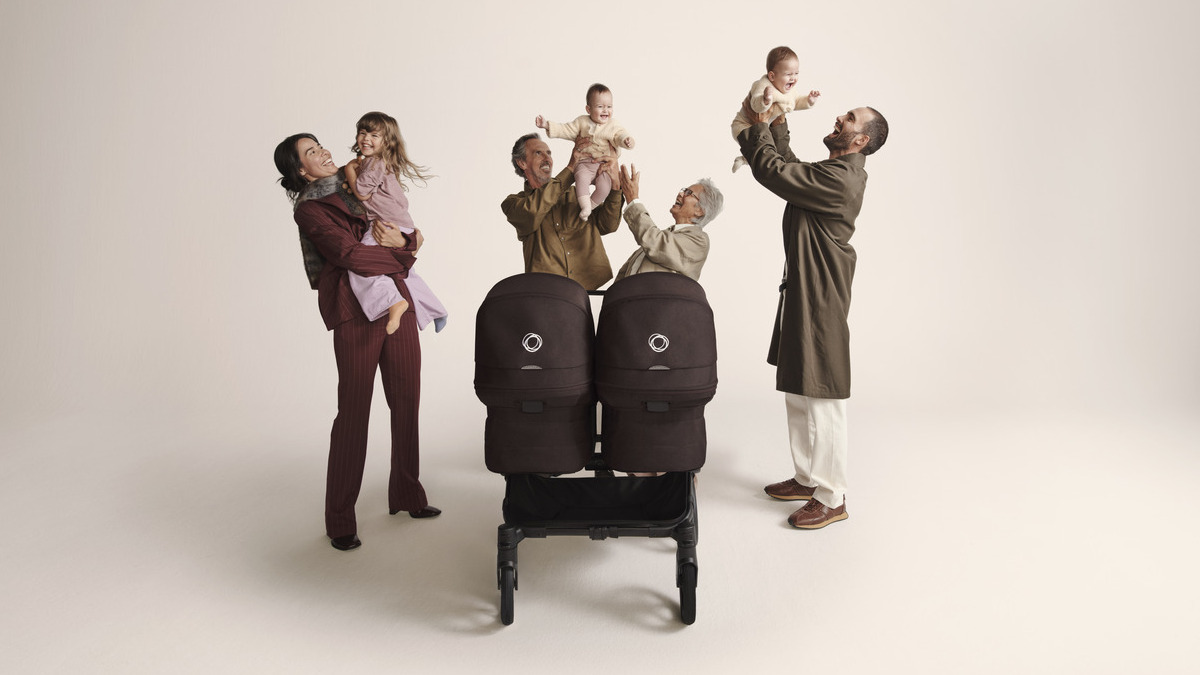
With two small children, travel definitely requires greater flexibility. One of the two may still need the carrycot, while the other may already be walking, but not enough to always face the entire journey on his own legs. And as we grow, these needs will continue to change.
Therefore, a stroller capable of adapting to the different stages of growth and the needs of both children can be useful.
Bugaboo Donkey 6 was created specifically for families with twins or siblings close in age: the structure can be configured with different combinations of carrycots, seats and basket, adapting to two newborns, a newborn and an older child or going out with just one child.
Travel light
For those who travel often, weight, size and speed of opening take on greater importance. The scene is simple to imagine: a suitcase, a bag, perhaps the child in your arms and, in the meantime, a stroller to open or close before getting on a train or reaching the gate.
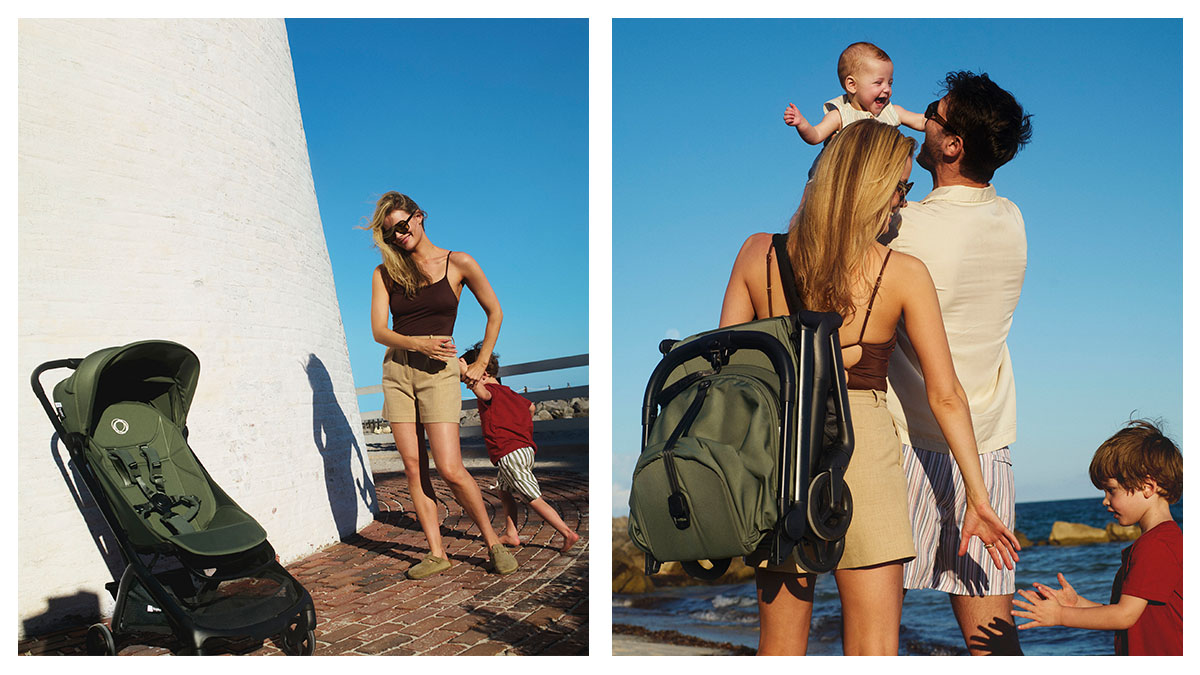
Bugaboo Butterfly 2 was designed precisely in this direction: it is ultra-compact and can be closed in a second with one hand. Its dimensions are compatible with IATA indications for transport in the cabin, although before leaving it is always necessary to check the rules of the individual airline.
Also in this case, it is important to underline the materials: the stroller uses 60% recycled aluminium, a choice which has allowed it to reduce its CO₂ footprint by 16%.
An object that lasts over time and respects the environment
Finally, there is an aspect that concerns every family, regardless of where they live or how they travel: how long will we use the stroller we want to buy and what will its life cycle be?
When we buy a product intended for childhood we are above all inclined to think about the immediate use we will make of it, without considering that a well-designed and constructed object, capable of lasting over time, offers numerous advantages: it saves us the worry of having to replace it at a certain point, we can reuse it for a possible second child, or we can give it as a gift to friends and relatives.
Duration, the possibility of continuing to use an object over time and the materials used also have consequences on the environmental impact. A product that does not need to be replaced prematurely avoids the consumption of new resources and the production of new waste.
It is on these aspects that Bugaboo focuses its “Designed for the future” strategy, based on three principles: designing products designed to last, choosing materials with a lower impact and reducing waste. The company says it aims to reduce the footprint of its products by 47% by 2026.
This direction includes the progressive replacement of plastics of fossil origin with bio-based materials, also obtained by valorising waste of plant origin, and the use of recycled fabrics and aluminium. The same principle applies to other products in the range: the Bugaboo Giraffe evolutionary chair, for example, uses FSC® certified European beech wood, therefore coming from forests managed according to the standards required by the certification.
Bugaboo is also a certified B Corp™, a certification that evaluates the social and environmental impact of the company. The company declares that it applies health, safety and working conditions standards in its factory and requires similar commitments from its suppliers.
Choosing a stroller, therefore, means crossing many variables. There is no need to look for the product with the most functions, but the one with the functions that we will really use, capable of lasting over time, suitable for the environment in which we live and designed to accompany the family’s life for a long time, until, one fine day, the little one decides to get off and continue his wonderful journey on his own two feet.isto
