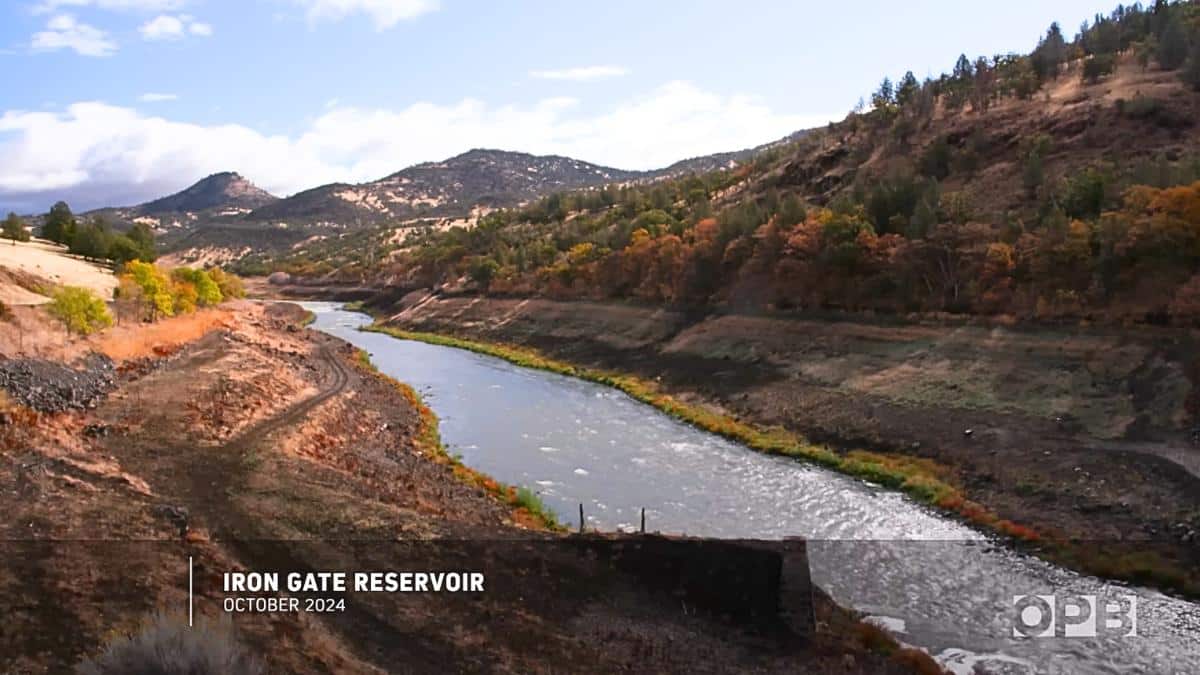
For more than a century, four hydroelectric dams blocked the course of the Klamath River in the United States, altering its ecosystems and making it difficult for migratory fish to move. After the demolition of these infrastructures between 2023 and 2024, the river begins a new stage in which the recovery of nature has become a priority.
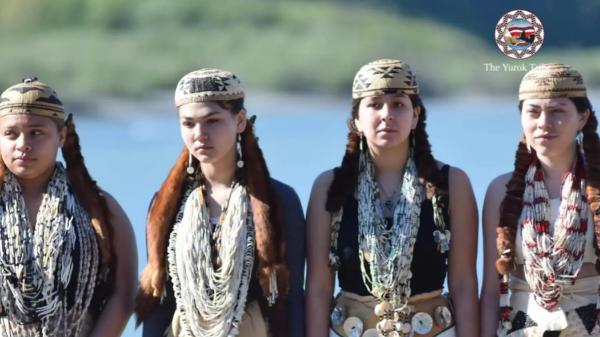
The Yurok indigenous tribe has launched an ambitious project to plant millions of native seeds and return vegetation to the lands that were exposed after the emptying of the old reservoirs. The initiative seeks to stop erosion, recover natural habitats and encourage the return of fauna, including salmon, a species essential for both the ecological balance of the region and the culture of this community.
The Yurok Tribe prepares to recover the Klamath River after removing the four dams
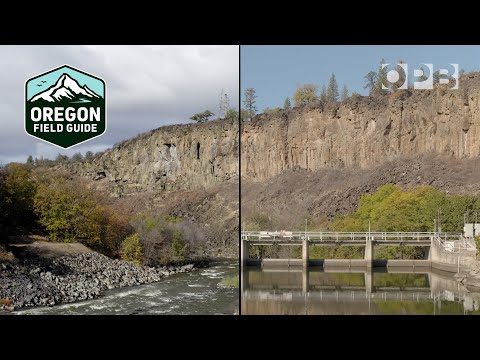
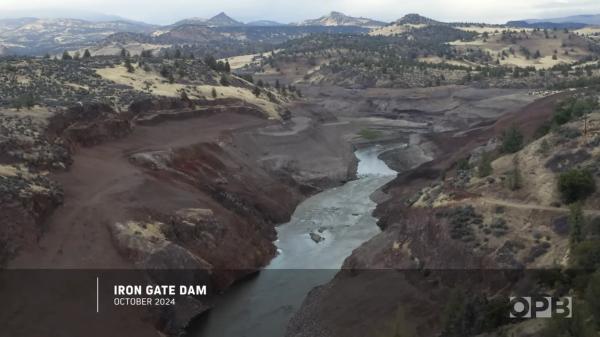
The removal of four hydroelectric dams on the Klamath River, located between Oregon and California, marked the beginning of a new stage for one of the most important river ecosystems in the western United States. The works, completed between 2023 and 2024, allowed us to recover access to more than 640 kilometers of habitat for migratory fish, after more than a century of interruptions.
However, removing the structures was not enough to guarantee the recovery of the environment. The emptying of the old reservoirs left large areas of land exposed to erosion and the expansion of invasive plant species.
Faced with this scenario, the Yurok indigenous tribe launched an ambitious ecological restoration project based on the recovery of native vegetation. The initiative includes the sowing of millions of seeds and the planting of trees, shrubs and other species typical of the region, with the aim of rebuilding natural habitats and encouraging the return of fauna.
The work began years before the demolition of the dams, with the collection of native plant seeds and their subsequent cultivation in nurseries. In this way, the community was able to prepare the plant material necessary to intervene in the land that would be exposed after the removal of the structures.
Millions of native seeds to recover land that was left under water
The project includes the recovery of herbaceous plants, shrubs and trees that were part of the landscape before the construction of the hydroelectric infrastructure. These species fulfill essential functions: they help stabilize the terrain, reduce erosion, provide food, serve as a refuge for fauna and contribute to reestablishing the natural relationships between the river and its banks.
An important part of the work was preparing the seeds in advance to have enough specimens when the old reservoirs were empty. The recovery of the vegetation cover is also essential to prevent invasive species from occupying the newly freed spaces. Over time, the goal is for the land to recover a plant composition similar to that which existed before the construction of the dams, creating the necessary conditions for the Klamath ecosystem to develop naturally again.
The return of salmon, another key to recovering the Klamath River
The recovery of the Klamath River is also closely related to the future of its salmon populations, a species fundamental to the ecological balance of the region and to the culture of the Yurok Tribe. For decades, dams made it difficult for these fish to move to spawning grounds, altering their reproductive cycle and reducing their access to important areas of habitat.
The removal of hydroelectric barriers has made it possible to reopen sections of the river that remained inaccessible for generations. This change represents an opportunity for salmon to recover their migratory routes and once again use suitable areas to reproduce.
However, the recovery of these populations depends on several factors, including water quality, the availability of appropriate habitats and the regeneration of riparian vegetation. For this reason, the restoration of the land released by the dams complements the benefits of recovering the continuity of the channel. For the Yurok community, bringing the Klamath back to life also means protecting a historic relationship with the river.
Klamath River recovery will take years to solidify
The recovery of the Klamath River is a long-term process that does not end with the demolition of the dams or the planting of millions of seeds. The regeneration of vegetation, the stabilization of soils and the recovery of fish populations require time, scientific monitoring and continued actions to check how the ecosystem evolves.
One of the main challenges will be to ensure that native species establish themselves on the freed land and that vegetation can develop without invasive plants occupying the space again. It will also be necessary to evaluate how different animal species respond to changes in the riverbed and habitat conditions.
The participation of the Yurok tribe is especially relevant in this process, both for its historical knowledge of the territory and for its direct involvement in the restoration work. Their initiative demonstrates that the recovery of a river requires combining the elimination of artificial barriers with measures aimed at rebuilding the ecosystems that existed before its transformation.
If you want to read more articles similar to After tearing down four hydroelectric dams, an indigenous tribe sows millions of seeds to recover a historic river in the United States, we recommend that you enter our Ecosystems category.
