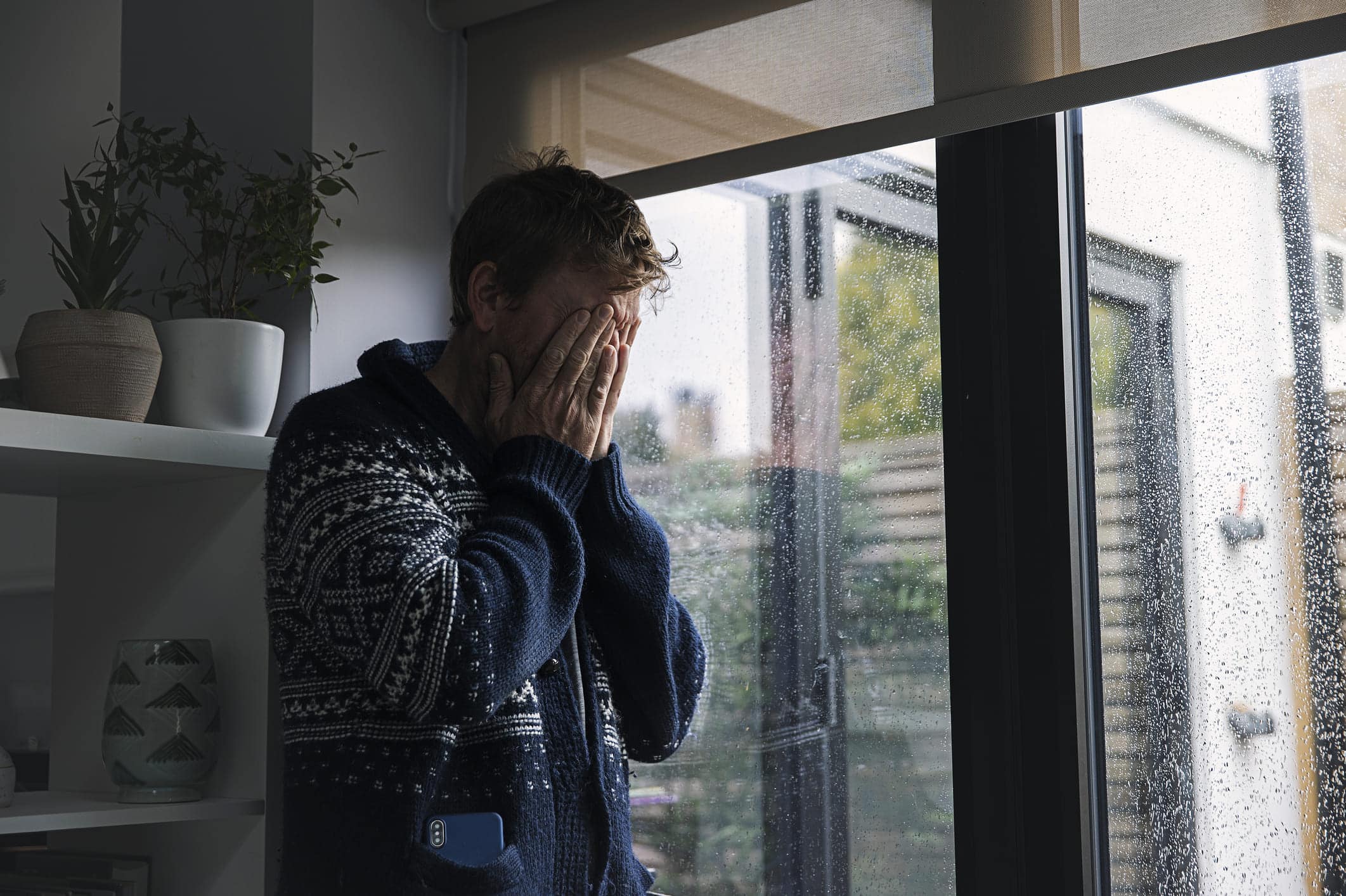
Circadian depression is associated with the rhythms that mark the biological clock over the 24 hours and affects a quarter of resistant forms.
A quarter of the most recurrent, resistant and difficult to treat forms of depression could fall into a new category, identified in an Australian study: circadian depression, so called because it is linked to the internal clock that marks our biological rhythms over the 24 hours.
Based on the analysis, which involved the clinical and genetic data of approximately 10,000 patients and which was published in the British Journal of Psychiatrypatients suffering from this subtype of depression more often tend to develop resistance to drugs that regulate the serotonin neurotransmitter system – i.e. to SSRIs, selective serotonin reuptake inhibitors – while they respond better to medical and behavioral therapies that act on sleep-wake rhythms.
Circadian depression: how is it recognized?
About 25% (2,604 people) of the participants showed symptoms of circadian depression, starting with a seasonal pattern of the disease, as well as a tendency to sleep longer when depressed, get up very late and go to bed very late at night.
People with this form of depression fell ill more often when young, compared to others, and with more severe symptoms: for example, more frequent episodes of mania, i.e. altered mood in the direction of excessive well-being/hyperactivity, and suicidal thoughts.
Genetically, circadian depression corresponds to a higher incidence of risk for inflammatory diseases and cardiovascular problems, as well as neurodevelopmental disorders including ADHD.
More targeted treatments
The key message of the study is that depression is not a uniform disease, and that understanding which of its different facets it occurs in can help find more precise and effective therapies.
For those suffering from circadian depression, treatments with SSRIs or SNRIs (Serotonin and Norepinephrine Reuptake Inhibitors), the two classes of antidepressant drugs most commonly prescribed to treat major depression, are often less effective and involve more side effects.
Since this type of depression is linked to the biological clock, therapies that try to regulate circadian rhythms work better, such as phototherapy – the light therapy already used against forms of seasonal depression – and melatonin.
This type of approach could be considered by doctors who follow patients who do not respond well to traditional antidepressants. Recognizing in time who are the patients affected by circadian depression would allow us to offer relief from this disease more quickly.
