
With the arrival of cold weather, electricity consumption usually increases in many homes. Heating, electric radiators and hot water can cause bills to skyrocket during the winter months, but the expense does not always depend solely on how much we use the appliances. Sometimes some of the money we overpay is related to the terms of our electricity contract.
Reviewing the contracted power, checking how much each kilowatt hour costs and detecting additional services that we do not need are some of the keys to avoiding extra costs. This is explained to us by Javier López Sánchez, founder of Megawattos and energy consultant, who warns that there are bill concepts that many consumers overlook and that can make the bill considerably more expensive.
The three concepts of the electricity bill that you should review before winter
Before the use of heating and other electrical appliances increases, it is advisable to stop at three concepts on the bill: the contracted power, the price of energy and additional services.
The first is the price of power, that is, how much we pay to have a certain electrical capacity available in our home. This amount is paid regardless of whether we are using the appliances or not. According to López Sánchez, there are differences of up to 50% between companies, so comparing conditions can mean significant savings.
The second aspect is the price per kilowatt hour (kWh), which determines how much the electricity we consume costs. The consultant compares it to the fuel of a vehicle: “Depending on how much a liter costs us, if we drive 100 kilometers and pay 1.80 euros per liter it will be better for us than if we pay 2.05 euros per liter. Well, here it is exactly the same.”
Finally, you have to pay attention to additional services. Some contracts include insurance, maintenance services or coverage that the consumer does not always remember having contracted. “In many cases, they are included in home insurance and that can make your bill up to 8-10% more expensive,” warns the expert.
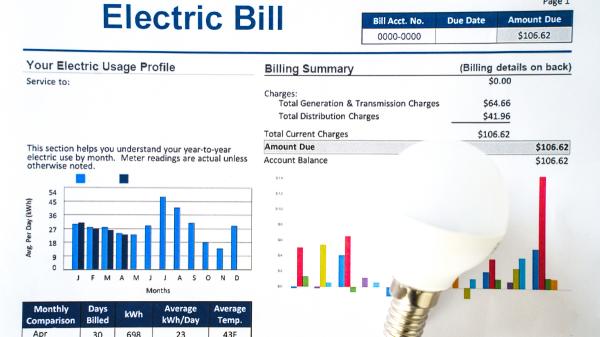
How to know if you have more contracted electrical power than you need
Electrical power determines how many appliances we can use simultaneously without tripping the power control switch. Therefore, hiring more than necessary means paying for capacity that we may never use.
With the arrival of winter, when the heating, oven, washing machine and other appliances may coincide, it is especially important to check if the power adjusts to the real needs of the home.
How to do it? Some electricity companies show on their invoices the maximum power demanded during the last year. If this information does not appear, the consumer can consult this information in the customer area of their distributor, although in some cases they will have to register previously.
Knowing the consumption peaks allows you to assess whether it is worth reducing the contracted power. Of course, it is advisable to first check the household habits and the devices that are used at the same time to avoid hiring insufficient capacity.
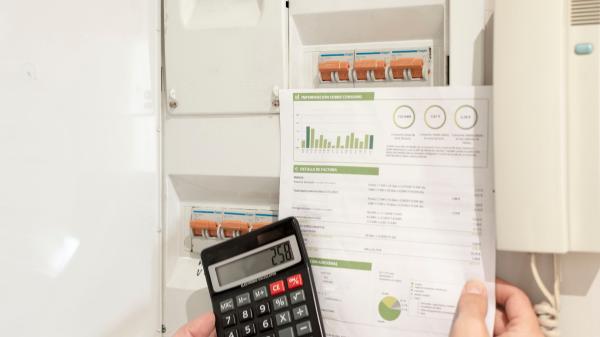
Fixed or variable rate: which may be more interesting to face the winter
Another important decision before the months of highest consumption is to correctly choose the electricity rate. Not all of them work the same and distinguishing between free and regulated markets, as well as between fixed and variable prices, can help better control spending.
As López Sánchez explains, within the free market there are rates with fixed prices and others with variable prices. On the other hand, the regulated rate, known as PVPC, has a variable price that evolves according to the market.
The difference is who assumes the risk of variations. “With fixed prices, the risk is with the company, because it cannot modify them during the time of the contract. With variable or indexed prices, the risk is with the consumer, because they charge the price that is in the market at that time,” he points out.
Regarding choosing between a rate with time discrimination or a stable price, there is no valid answer for all homes. It depends on when consumption is concentrated: there are families that use more electricity during the day, others at night and others on weekends.
For this reason, the consultant recommends looking for a rate adapted to the habits of each home. However, if the priority is to have greater stability in the receipt during the winter of 2026-2027, its recommendation is clear: “At the moment, although prices are somewhat high, the best would be a fixed price per kWh.”
The discounts and services that can make your bill more expensive without you realizing it
In addition to the price of electricity, there are other elements of the contract that should be reviewed before renewing or changing companies. Insurance, maintenance services, and promotions can end up increasing the amount we pay each month.
López Sánchez warns that some consumers maintain services that they do not need or that they even already have covered through other contracts, such as home insurance. Therefore, it is recommended to check which ones have actually been contracted and which ones appear associated with other coverage.
You also have to pay attention to promotional discounts. Some companies use them to attract new customers, but they can disappear when the initial period ends or the renewal comes. According to the consultant, this circumstance can make the bill between 10 and 20% more expensive.
Before accepting an offer, therefore, it is important to check how long the discount will last, what the price will be afterwards and what additional services are included.
The mistake you should avoid when contracting an electricity and gas rate
To prepare your home for winter, the founder of Megawatts recommends comparing different offers and analyzing the real consumption of the home before making a decision. Consulting with an energy consultant can help identify which rate best suits each case and what conditions should be changed.
However, it also points out a mistake that consumers should avoid: providing personal data during commercial calls from unknown sources or accepting contracts without knowing exactly their conditions.
The expert warns of the bad practices of some companies and reminds us of the importance of reading any document before signing it. His advice is not to rush into telephone offers, do not share personal information without verifying who is behind the call and always request the conditions in writing.
In short, reviewing the bill before the cold weather arrives can help detect unnecessary expenses. Sometimes, saving on electricity is not only about turning on the heating less, but also about checking if we are paying for power, a rate or services that we really need.
If you want to read more articles similar to Javier López, energy consultant: “There are services that can make your electricity bill up to 10% more expensive without you knowing it”, we recommend that you enter our Energy Savings category.
