Since 1978 China has planted over 66 billion trees, creating a “large wall” in the north of the country 4,500 km2 long green and 150,000 km2 wide. If on the one hand it has made it possible to curb the advance of the deserts of the North, such as Gobi or Taklamakan, this colossal ecological project has brought with it an unexpected side effect: an epidemic of allergic rhinitis.
This is what emerges from a study published on Journal of Hazardous Materialswhich verified that the pollen of a kind of artemisia (Artemisia Ordosica), the most common plant of the wall, is strongly allergent and is produced in large quantities between August and September.
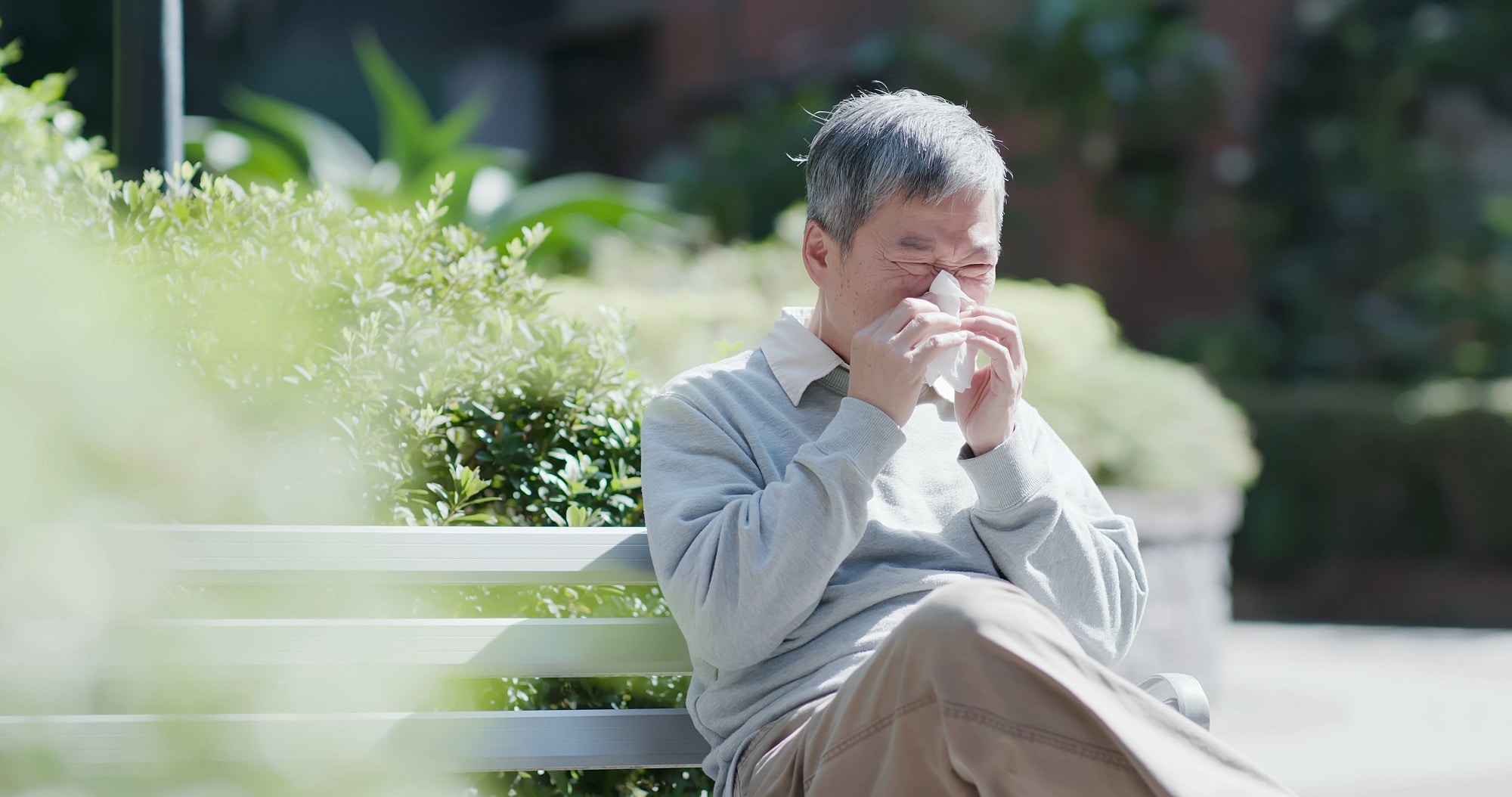
How many people are it? The province of Shaanxi and the internal Mongolia region are those most affected by this epidemic of sneezing, red and asthma eyes: if in China the hay fever (or allergic rhinitis) affects about 18% of the inhabitants, in Yulin (in Shaanxi) the percentage of allergic reaches 27% and in internal Mongolia 32%.
This means that those who live near the Great Wall Green has about twice the opportunity to develop respiratory allergies.
The fault of Artemisia. The fault lies with the pollen of Artemisia Ordosicaan economic plant and easy to cultivate, at the time selected by the authorities to reforest the area for its ability to resist extreme climates, stabilize dunes and curb the erosion of the soil.
The defect? Its pollen is strongly allergenizing, as it contains five volatile components capable of activating the mastocytes (the cells of our immune system involved in the allergic reactions).
What solutions are there? The problem is so widespread that local governments have begun to move urgently, finding new species of plants adapted to the local ecosystem but less harmful to people, such as pines or seed -free poplars.
Beijing has invested 830 million dollars to replace some artemisie with Ginkgo Biloba or Susini and administer phytormones to some allergenic specimens to block the formation of new buds.
The positive news is that the Great Muraglia Verde – side effects aside – is making its duty: from 2008 to 2018 the frequency of sandstorms in Beijing has reduced by 70%, and according to estimates the trees planted absorbed 5% of the industrial CO2 emissions produced by China between 1978 and 2017.
