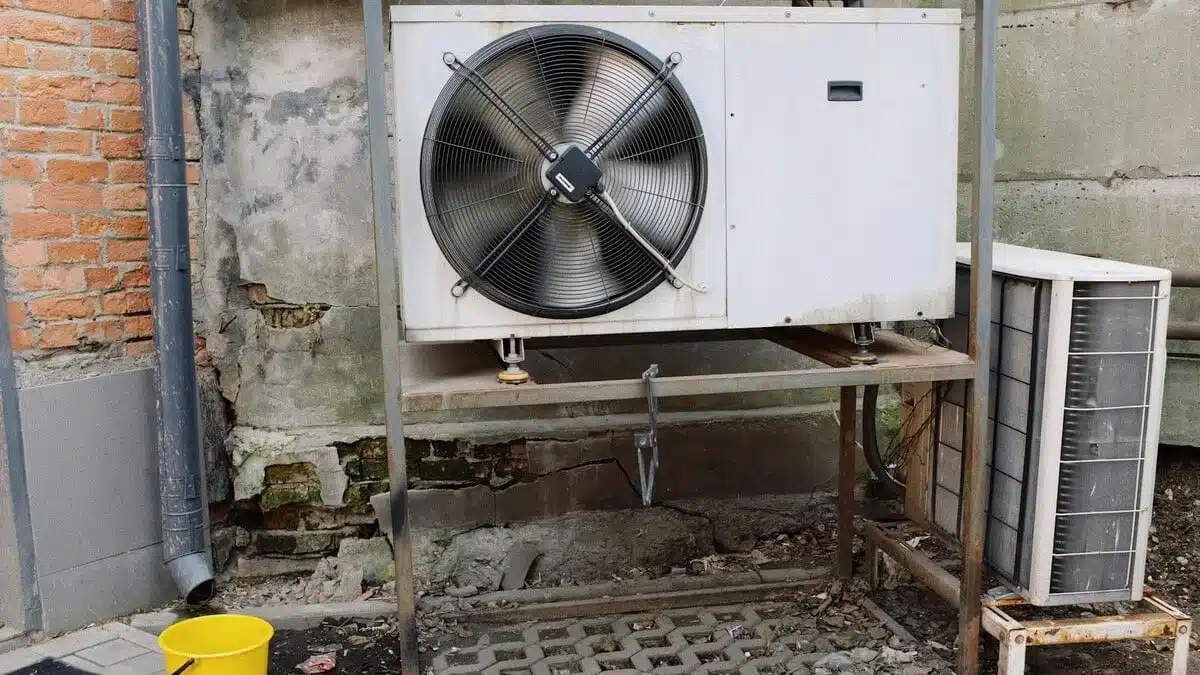
Few people know it, but the water that comes from air conditioners is more valuable than it seems. As temperatures rise during summer months, these cooling systems produce condensation water that most homeowners simply discard. This overlooked resource can actually help reduce your utility bills and minimize your environmental impact. Let’s explore how this reclaimed water can become a valuable asset in your sustainable home management strategy.
Understanding AC condensate water and its benefits
Your air conditioner extracts moisture from indoor air as part of its cooling process. This creates a steady stream of condensate water that typically drains away. What makes this water special is its purity – it’s essentially distilled water, free from many minerals and contaminants found in tap water.
AC condensate water is naturally soft because it lacks the calcium and magnesium compounds that create hardness. This characteristic makes it ideal for applications where mineral deposits would be problematic. During peak summer months, a typical household air conditioning unit can produce 5-20 gallons of water daily, depending on humidity levels and usage patterns.
While this water isn’t suitable for drinking due to potential bacterial contamination from air conditioning components, it offers numerous practical applications around your home. Capturing this resource is simple – just place a clean container under your unit’s drainage pipe. Regular cleaning of your collection vessel helps prevent bacterial growth.
Reusing AC water aligns perfectly with environmental conservation practices by reducing unnecessary water consumption. This approach not only saves money but also contributes to preserving our limited water resources that face increasing pressure worldwide.
Smart household applications for AC condensate water
The mineral-free nature of air conditioner water makes it perfect for several household tasks. Here are practical ways to put this resource to work:
- Wrinkle-free ironing solution: The absence of minerals prevents white residue on garments
- Streak-free window cleaning: Perfect for glass surfaces without leaving mineral deposits
- Car maintenance: Ideal for topping off batteries and windshield washer fluid
- Humidifier filling: Extends the life of humidifiers by preventing mineral buildup
- Steam iron reservoir: Prevents clogging of steam vents in your iron
For household cleaning, AC water works exceptionally well on mirrors and glass surfaces. The mineral-free composition prevents streaking that often occurs with tap water. This makes it an excellent choice for achieving spotless windows without purchasing special cleaning products.
Many homeowners find that using this water for laundry pre-treatment helps remove stains more effectively. The absence of minerals means it won’t interfere with detergent performance. This application can be particularly useful for delicate fabrics that benefit from gentler washing solutions.
| Application | Benefit | Water Needed |
|---|---|---|
| Plant Watering | No chlorine or treatment chemicals | 1-3 gallons weekly |
| Window Cleaning | No streaking | 0.5-1 gallon as needed |
| Ironing | Prevents mineral deposits | 8-16 oz per session |
Garden and plant care with AC water
Your garden can benefit significantly from air conditioner water. Most plants tolerate this slightly acidic water well, though you should be aware that it lacks beneficial minerals found in groundwater. For optimal results, consider these applications:
Houseplants often thrive with AC water because many species prefer slightly acidic conditions. Acid-loving plants like ferns, orchids, and African violets particularly benefit from this water source. The lack of chlorine and treatment chemicals found in municipal water supplies makes it gentler on sensitive plant varieties.
For outdoor gardens, AC water serves as an excellent supplemental water source during dry periods. By collecting and storing this water, you reduce pressure on natural ecosystems that suffer during drought conditions. This sustainable approach aligns with water conservation efforts necessary for maintaining environmental balance.
If using AC water for food-producing plants, it’s advisable to periodically mix it with regular water or add appropriate fertilizers. This ensures plants receive necessary minerals for healthy growth. The clean nature of this water makes it less likely to contain contaminants that could contribute to environmental pollution when compared to some treated water sources.
Reducing your environmental footprint with recycled water
Every gallon of water you reuse from your air conditioner represents conservation of precious drinking water supplies. This mindful approach to resource management helps reduce your carbon footprint in multiple ways.
Water treatment facilities consume significant energy to process and deliver municipal water. By supplementing your household water needs with AC condensate, you indirectly reduce energy consumption associated with water processing. This creates a ripple effect of environmental benefits beyond just water conservation.
Using collected water for outdoor cleaning prevents runoff containing cleaning chemicals from entering storm drains. This helps protect waterways from contamination that can lead to marine pollution and ecosystem damage.
The sustainable mindset developed through water recycling often extends to other conservation behaviors. Many homeowners who begin collecting AC water report increased awareness of recycling opportunities and resource conservation in other aspects of daily life.
- Start with simple collection methods using existing containers
- Gradually expand usage to multiple household applications
- Create seasonal storage solutions for excess water
- Track water savings to motivate continued conservation
- Share successful techniques with neighbors to multiply impact
By implementing these water-saving practices, a typical household can conserve thousands of gallons annually. This significant reduction in water consumption translates directly to lower utility bills while promoting environmental stewardship. Small individual actions collectively create meaningful environmental protection when adopted widely.
