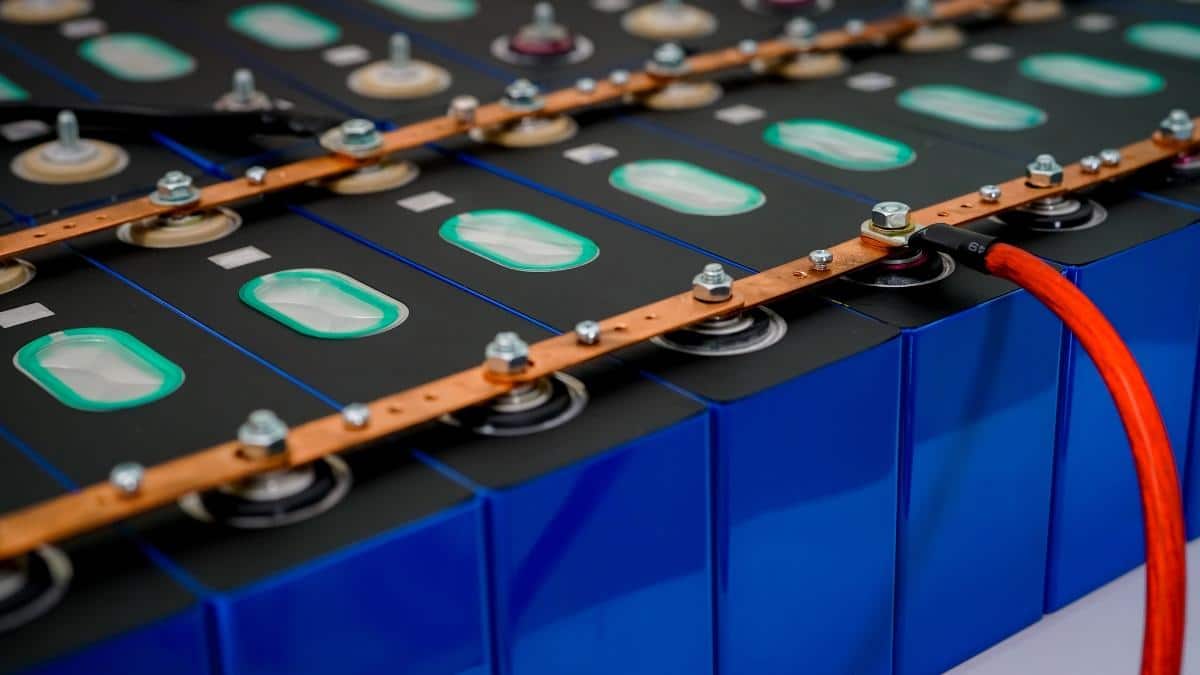
Lithium-ion batteries are essential for the energy transition. They power everything from phones and computers to bicycles and electric cars and allow electricity from renewable sources to be stored. The problem begins when they reach the end of their useful life and do not receive adequate treatment.
A case discovered in Otero de Herreros (Segovia) shows how far this risk can go. In 2023, the Civil Guard located a clandestine warehouse installed in a private home where tons of batteries were accumulated from, among other places, workshops and third parties that had disposed of them. The intervention was then considered the largest of its kind carried out in Europe.
Now, the case has ended with an 18-month prison sentence for a crime against natural resources and the environment.
This is how the Civil Guard discovered the 30 tons of batteries stored in the house
When the so-called Canaleja operation was carried out, in August 2023, the Civil Guard reported the intervention of nearly 45 tons of lithium batteries clandestinely stored in the home. To remove them, the participation of a specialized company and six trucks authorized to transport dangerous goods was necessary.
The figures established later in the judicial procedure are somewhat different. 30,998 kilograms of gross waste from lithium-ion batteries and 29,573 net kilograms were recorded once the material was conditioned for correct management.
The convicted man had begun collecting the batteries between 2021 and 2023. According to information based on the court resolution, they came from third parties and mechanical workshops that had discarded them. The man defended that many were still working and that he intended to use them for a photovoltaic self-consumption system.
The court rejected this argument: that a battery can retain a certain operating capacity does not automatically mean that it is no longer waste when its previous owner has already disposed of it.
The investigation began to take shape after the Civil Guard intercepted a pallet of about 650 kilos of batteries. Upon later inspecting the home, agents discovered the extent of the clandestine storage.
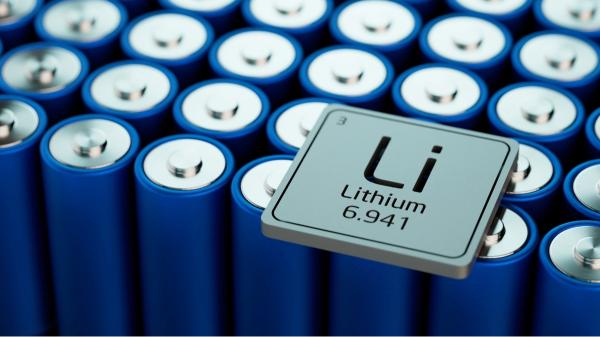
Why is it dangerous to accumulate 30 tons of lithium batteries?
The danger is not simply having many batteries together. The problem is their condition, the way they are stored, and what happens if they are damaged, mishandled, or end up releasing their components.
A lithium-ion battery contains different materials and substances that must be recovered or treated in appropriate facilities. Improper management can cause pollution and also wastes valuable resources whose recovery reduces the need to extract new raw materials.
In Otero de Herreros, some batteries were damaged and were stored together with combustible materials, a combination that increased the risk.
One of the main dangers of these batteries is fire. If a cell is damaged, short-circuited, overheated, or mishandled, a process known as “thermal runaway” can occur. The temperature increases rapidly and the phenomenon can spread to nearby cells.
When batteries burn, in addition, the fire can be difficult to control and produce toxic gases and fumes. In storage of tens of tons, the potential consequences are very different from those associated with the battery of a single household device.
There was also a problem related to transportation. The Civil Guard pointed out during the investigation that the batteries were transported without adequately communicating the nature of the load and without the conditions required for dangerous goods. To legally remove the seized material, vehicles with ADR authorization had to be used.
The sentence: 18 months in prison and the cost of removing the waste
The environmental dimension explains why the case has ended up in criminal proceedings. The sentence establishes 18 months in prison, in addition to a fine of 13 months with a daily fee of six euros and 20 months of disqualification from activities related to the management, treatment, storage or marketing of hazardous waste.
Added to this is a particularly important economic consequence: the convicted person must assume the costs related to the removal and proper treatment of the waste. The resolution can still be appealed to the Supreme Court.
The case also serves to explain a paradox of the energy transition. Lithium batteries are a key technology to reduce dependence on fossil fuels, but that does not make any use of them sustainable. Manufacturing them requires raw materials and energy, while their end-of-life requires systems capable of collecting them, transporting them, sorting them, reusing them when possible and safely recycling them.
Precisely for this reason, European regulations on batteries seek to move towards a circular model in which collection, recycling and recovery of materials increase. Reuse can prolong the life of certain batteries, but must be done under appropriate technical and safety conditions.
The case of Segovia demonstrates the opposite extreme: accumulating dozens of tons of discarded batteries in a home, manipulating them without the corresponding authorizations and storing them in unsafe conditions transforms a potentially usable resource into a serious environmental and safety risk.
If you want to read more articles similar to Sentenced to 18 months in prison for storing tons of lithium batteries in his home: the danger that these waste hid, we recommend that you enter our Pollution category.
