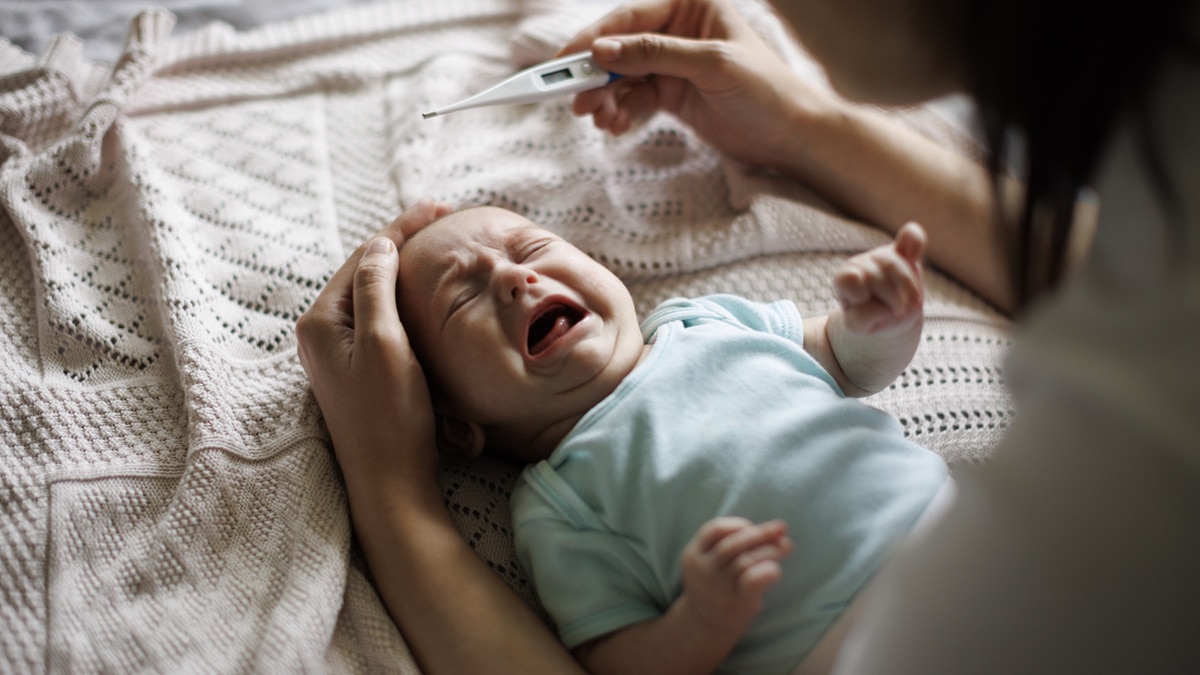
It is an uncontrolled inflammatory response of the body to an infection that can rapidly compromise vital organs. In newborns and young children it is rare but particularly dangerous: recognizing early symptoms, knowing the risk factors and intervening promptly is essential to reduce complications
Sepsis is a rare but potentially very serious condition that can develop as a complication of an infection. It can affect people of any age, but is more frequent and dangerous in infants, young children, the elderly and people with reduced immune defenses.
Globally, sepsis is a leading cause of death from infection. This is why it is important to learn to identify the symptoms and recognize it, since it can evolve rapidly.
For parents, hearing about sepsis can be very scary, but it is important to underline that today medicine has effective tools to diagnose and treat this disease. The most important factor is timeliness: recognizing the signs and intervening quickly can make a big difference.
What is sepsis
To understand what sepsis is, let’s start with its definition. According to the most recent guidelines, sepsis, in the pediatric context, is defined as a potentially lethal dysfunction of one or more organs, caused by an abnormal immune and inflammatory response to a presumed or confirmed infection.
To better understand the meaning of the word “sepsis”, it should be noted that normally, when a bacterium or virus enters our body, the immune system recognizes it and eliminates it in a targeted way. In sepsis, however, the infection causes a disordered immune response that gets out of control. That is, inflammation develops and spreads throughout the body, damaging the functioning of various organs (especially the cardiovascular, respiratory, coagulation or neurological systems).
The term “septic infection” is often used to indicate an infection associated with this generalized response.
The most serious form of sepsis is septic shock. In this case there is a compromise of the cardiovascular system, blood pressure drops dangerously and the organs do not receive enough blood and oxygen. Without prompt treatment, this condition can be life-threatening.
It is useful to clarify that sepsis is not contagious and does not spread from one person to another. However, the infection that caused it, such as pneumonia or meningitis, can be contagious.
Blood infection
Many parents hear about blood infection or blood infection and immediately think of sepsis. In reality, it is important to distinguish between sepsis and septicemia, two terms that are often confused. The term “septicemia” indicates the presence of bacteria in the blood, while sepsis is the body’s unregulated inflammatory response. This means that:
- septicemia is a blood infection;
- sepsis is the body’s reaction to infection;
- septicemia can cause sepsis, but not all sepsis is septicemia.
In other words: sepsis is not the infection itself, but it is the extreme and dangerous way in which the child’s body reacts to that infection.
Causes of sepsis
The causes of sepsis are almost always related to an infection. In most cases it is bacterial sepsis, but viruses and fungi can also be responsible.
Some bacteria, in particular those called gram negative, can cause particularly serious forms (gram negative sepsis), because they stimulate a very intense inflammatory response.
Fungi, like candida, can also cause sepsis, especially in premature infants or fragile patients.
It is often used to specify the site where the sepsis started, such as:
- urosepsis: sepsis with renal origin;
- abdominal sepsis (from appendicitis, peritonitis, etc.);
- pulmonary sepsis.
Symptoms and warning signs
Symptoms of sepsis may start similar to those of a common infection, but tend to worsen quickly. Early signs often include:
- high fever or more rarely low body temperature;
- chills;
- intense weakness;
- general malaise.
As the condition progresses, the following may appear:
- rapid or difficult breathing;
- rapid heartbeat;
- low blood pressure;
- reduction in the amount of urine (sign that the kidneys are suffering or there is dehydration);
- skin that is unusually pale, grayish, marbled (patchy), or very cold to the touch;
- appearance of small red or purple spots on the skin that do not disappear if you press them, for example with a glass (petechiae).
A particularly important signal is the alteration of the state of consciousness. The child may appear confused and less responsive. In very young children, signs may include:
- unusual irritability;
- difficulty feeding;
- excessive drowsiness;
- reduced interaction.
In sepsis there can be many symptoms, but given that it is not always easy to recognize them, parents should also rely on their own instincts: if the child appears “different from usual”, if something in his behavior or general state is not convincing, it is important to promptly request a pediatric consultation.
Who is at risk
As mentioned, some people are at greater risk of developing sepsis because their immune system is less effective. Groups most at risk include:
- newborns;
- small children;
- people with chronic diseases.
Some particular conditions also increase the risk, such as:
- weakened immune system;
- recent surgeries;
- implantation of invasive medical devices.
The elderly are also more frequently affected by sepsis.
Sepsis in pregnancy is rare but possible. Puerperal sepsis, however, can appear after childbirth, following infections of the uterus.
Neonatal sepsis
Neonatal sepsis is a rare but very serious condition with possible consequences. It can affect newborns in their first 28 days of life. Two types can be distinguished, based on when they occur:
- Early-onset sepsis (within the first 72 hours): The newborn contracts the infection shortly before or during birth. The most common bacteria are Group B Streptococcus (streptococcal sepsis) and Escherichia coli (Escherichia Coli sepsis).
- Late-onset sepsis (or late neonatal sepsis, i.e. after 72 hours): the infection derives from the surrounding environment (hospital, external contacts or medical maneuvers). In this case, the culprits are often bacteria present on the skin, such as Staphylococcus aureus (Staphylococcal sepsis).
Preterm babies are more fragile for three main reasons:
- Weak defenses: their immune system is not yet ready and they have few antibodies.
- Thin skin: their external “barrier” is immature and germs pass more easily.
- Invasive treatments: they often require hospitalization, venous access and other devices which, although essential for assistance, can become “entrance doors” for bacteria.
In neonatal sepsis the consequences can be serious. Premature newborns are more fragile and have a higher risk of complications than full-term babies.
Sepsis in children
In children, sepsis is rare, but if the process begins it can progress rapidly. The most frequent cause is pneumonia, which is also the main cause of death in children under 5 years of age.
In the past, bacteria like Haemophilus influenzae kind of good Streptococcus pneumoniae (fulminant pneumococcal sepsis) were among the most frequent causes of sepsis in young children. Today, thanks to vaccinations, these infections have become much less common and severe forms have been drastically reduced.
Another important bacterium is the meningococcus (meningococcal sepsis), which can affect even perfectly healthy children, especially in the first years of life and in adolescence, causing serious and sudden infections, such as the aforementioned meningitis.
Meningococcal infection can start suddenly with high fever, vomiting, headache, difficulty concentrating, and severe muscle pain. The most typical signs of meningitis are not always present, especially in the initial stages, often making the diagnosis difficult.
In some cases, the infection can progress rapidly and cause the appearance of dark spots on the skin, a sign of severe involvement of the blood vessels. This is a serious condition that requires urgent treatment in hospital.
There is also a vaccine for this bacterium, which represents the most effective form of prevention.
Diagnosis
The diagnosis of sepsis must be made quickly. In addition to a thorough examination, doctors may request tests, such as blood tests, blood cultures (checks if there are bacteria in the blood) and the detection of various vital signs.
In children, the diagnosis is based on complex age-specific clinical criteria, which indicate the failure of vital systems such as cardiovascular, respiratory, coagulation or neurological systems. The Phoenix criteria are today considered the best tool for the diagnosis and evaluation of sepsis and septic shock in pediatric age.
Treatment
Sepsis and septic shock are medical emergencies. The treatment must be conducted in a hospital setting and with the involvement of multiple healthcare professionals for a multidisciplinary approach. Treatment of sepsis varies on a case-by-case basis, but generally includes:
- intravenous broad-spectrum antibiotics, depending on the child’s age and based on blood culture and susceptibility testing results;
- administration of fluids and medications to support the cardiovascular system;
- oxygen therapy and support of vital parameters;
- monitoring the functioning of organs.
In more serious cases, hospitalization in intensive care may be necessary.
An untreated infection can progress rapidly, making timely treatment critical. For this reason it is always important to rely on the care of a pediatrician if you have the feeling that something is wrong or that the child is different from usual.
Prognosis and complications
Although medicine has made great strides in reducing cases of death from sepsis, acute sepsis and fulminant sepsis remain particularly aggressive and can leave “scars” even in adult life. In particular:
- On cognitive and motor development. In addition to immediate neurological damage, following severe sepsis, children may exhibit learning delays, speech difficulties, or problems with motor coordination.
- Sensory deficits. Vision problems may occur, and the use of some life-saving medications may cause hearing impairment.
- Growth problems. Severe sepsis, particularly in premature and very low-weight infants, increases the risk of growth failure with possible nutrition and development problems up to the first years of life.
Not all children will have poor outcomes, and some long-term studies show possible recoveries. For this reason it is prudent to guarantee regular checks to verify growth and motor/cognitive development, ensuring nutritional and rehabilitation support for children who have contracted a serious infection.
Prevention
Although hearing the word sepsis can be scary, we must not forget that prevention is our strongest ally: vaccinations (such as those against Pneumococcus and Meningococcus) have drastically reduced serious cases, making us immune against once fearful infections.
Correct hand hygiene and responsible use of antibiotics – only when prescribed by the pediatrician – help reduce serious infections and the consequences of sepsis.
Listen to your children: if you notice something abnormal, don’t hesitate to consult your doctor. Acting prudently and promptly often transforms a critical situation into a story with a happy ending.
