
You may think that a device that is turned off stops consuming electricity, but in many cases this is not the case. Televisions, consoles, microwaves, chargers or stereos continue to use energy while they are plugged in, even when they are not working.
This phenomenon, known as phantom consumption, goes unnoticed in most homes, although it can represent up to 11% of annual electricity expenditure. The consequence is a higher electricity bill and unnecessary energy consumption that accumulates day after day.
We explain what exactly phantom consumption is, how to detect the devices that waste the most energy and what simple measures you can apply to reduce it.
What is phantom consumption and why it can increase your electricity bill
Phantom consumption, also known as stand-by consumption or consumption at rest, is the energy that some devices continue to use when they are apparently turned off, but remain connected to the power. Even if the device is not working, certain components continue to require electricity to maintain functions such as digital clocks, indicator lights, remote control receivers or programming systems.
This is an electrical expense that is difficult to perceive on a day-to-day basis because each device consumes very little energy individually. However, when you add up all the devices that remain plugged in 24 hours a day, the impact can be considerable. According to data from the Institute for Energy Diversification and Saving (IDAE), phantom consumption can represent between 7% and 11% of the electricity consumed in an average home, which is equivalent to about 300 kWh per year.
The devices that generate the most phantom consumption in a home
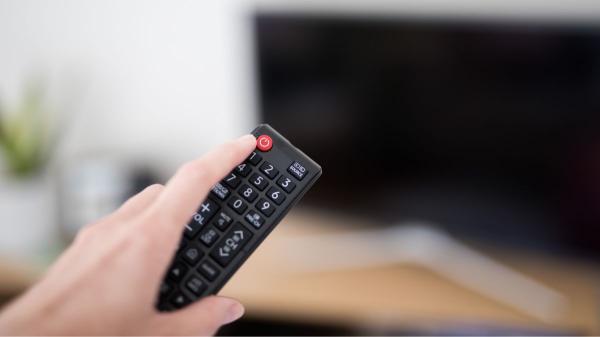
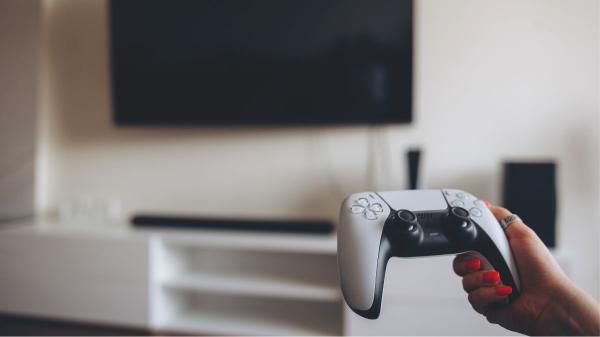
Some devices continue to use electricity even if they are turned off. Among those that tend to generate the most phantom consumption are televisions, decoders, video game consoles, sound equipment, computers, printers and appliances with a clock or screen, such as microwaves and programmable coffee makers.
Chargers may also consume a small amount of power when left plugged in and not in use. Although the cost of each device is low, the sum of all of them can have a notable impact on the electricity bill throughout the year.
How to know which devices are consuming electricity without you noticing
Detecting phantom consumption is not always easy, since many appliances continue to use electricity even if they appear completely turned off. However, there are several signs that can help you identify this hidden expense.
One of the easiest ways to spot devices that are still consuming power is to see if they keep any lights on when not in use. It is common to find indicator lights on televisions, consoles, sound systems or decoders that indicate that the device remains in standby mode, consuming electricity continuously.
It is also worth paying attention to appliances and devices that display digital clocks or permanent screens, such as microwaves, programmable coffee makers or printers.
Another way to identify phantom consumption is to temporarily disconnect certain devices and check if there is a reduction in the registered electricity consumption. To do this, consumption meter plugs can be used, which allow you to know how much energy each device uses even when it is at rest.
Furthermore, reviewing the hourly consumption available on smart meters can offer clues about the existence of residual consumption during the night or in periods in which practically no electrical appliance is used. If consumption never reaches zero, it is likely that several devices are permanently generating phantom consumption.
Finally, a simple test consists of unplugging non-essential devices for a few hours and checking which ones maintain active functions when they are connected again. Devices that maintain clocks, settings or quick power-on systems are usually some of the main culprits for this hidden energy waste.
How much you can save by reducing phantom consumption at home and what other benefits does it have?
The most immediate benefit is the savings on the electricity bill. By eliminating unnecessary consumption of devices in standby mode, it is possible to reduce a relevant part of the annual electricity expenditure. We have already seen before that it can represent between 7% and 11% of the total consumption of an average home.
Another important aspect is the reduction of environmental impact. By consuming less electricity, the home’s overall energy demand decreases, which in turn reduces emissions associated with energy generation.
There is also a benefit related to security at home. By disconnecting or preventing certain devices from remaining plugged in unnecessarily, you reduce the risk of overheating, electrical failures or possible short circuits, especially in older devices or devices in poor condition.
Finally, reducing phantom consumption allows for greater control over real energy expenditure. Identifying which devices consume electricity even when not in use helps you make more conscious decisions about energy use and improve overall home efficiency.
Phantom Consumption FAQ
Is phantom consumption noticeable on the electricity bill?
Phantom consumption does not appear broken down on the bill, but is reflected in the total energy consumed. As the expense of several devices on standby accumulates throughout the day, it ends up impacting the final amount.
If you turn off the power strip, does it stop consuming electricity?
One of the most effective ways to eliminate phantom consumption is to turn off power strips with switches. By completely cutting off the power supply, the connected devices stop consuming energy in standby mode. This is especially useful for areas with multiple devices such as televisions, consoles or sound systems.
Does the mobile charger consume when it is plugged in without being used?
A charger connected to the power without charging any device continues to consume a small amount of energy, which is why it is considered part of the phantom consumption.
Which appliance consumes the most in standby mode?
Among the devices that consume the most in standby are usually those that remain permanently connected or with advanced standby functions, such as televisions, decoders, video game consoles and sound systems.
If you want to read more articles similar to These appliances continue to consume electricity even if they are turned off: this is how it affects your bill, we recommend that you enter our Energy Savings category.
