
The cooktop is one of the appliances that can consume the most electricity at home. For this reason, more and more homes are considering changing their old ceramic hob for an induction hob.
The difference between the two is not only in the price. It also changes the speed of cooking, energy efficiency and the accumulated cost on the electricity bill. And although many people think that they consume practically the same thing, the reality is quite different.
Furthermore, it is not only electricity consumption that influences. Factors such as the time they take to heat up, safety or even the type of pots and pans you need can make one option much more interesting than the other depending on each case.
What really consumes more electricity: induction or ceramic hob
At first glance, both induction and glass ceramic seem similar. They are a flat, modern and easy to clean surface. However, when we talk about electricity consumption, there are important differences between both technologies.
The main difference is in the way they generate heat. Induction hobs directly heat the container using electromagnetic fields, while traditional ceramic hobs first heat a resistance and then transmit that heat to the pan or pot. This intermediate step causes some of the energy to be lost during the process.
In practice, an induction hob is usually between 20% and 40% more efficient than a conventional glass ceramic. This means that you need less electricity to cook the same thing and it also takes less time to reach the desired temperature.
For example, boiling a liter of water can take around 4 or 5 minutes on an induction hob, compared to 7 or 8 minutes on a ceramic hob. Although the difference seems small, this time saving also translates into less accumulated consumption throughout the month.
At the power level, both systems can have similar figures (normally between 1,200 and 3,000 W per cooking zone), but the key is in the use of that energy. Induction converts approximately 85-90% of electricity into useful heat, while glass ceramic usually stays around 60-75%.
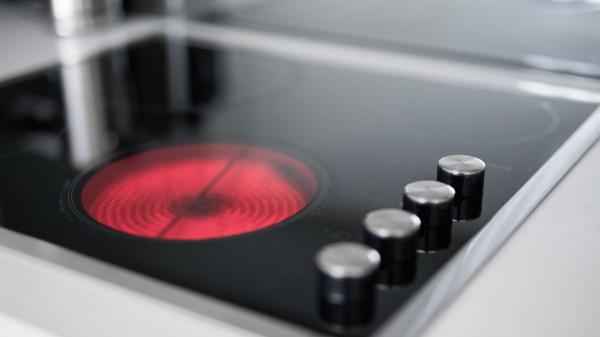
What is most worth it today for most homes?
The short answer is that it depends on what you value most in your kitchen. Although induction is often considered the most modern and efficient option, the glass-ceramic still has advantages that for many people can be decisive.
If you prioritize energy savings, speed and safety, then induction is usually the best choice. It heats up much faster, makes better use of electricity and the surface cools down faster, something especially useful in homes with children. In addition, it allows you to control the temperature quite precisely, which makes it easier to cook certain dishes.
On the other hand, ceramic glass stands out for being cheaper to buy and compatible with any type of utensil. You do not need special pots or change your kitchenware, something that can happen with induction if your containers are not ferromagnetic.
There are also people who prefer glass-ceramic because it maintains residual heat for longer. Although this implies more energy expenditure, it can be useful for certain preparations that require constant heat even after turning off the hob.
At the daily comfort level, induction usually offers a better user experience. The kitchen gets less dirty because spilled food does not burn as easily on the surface, and cooking time is greatly reduced compared to a traditional ceramic hob.
However, induction also has some drawbacks. The initial price is usually higher and some boards may generate a small hum during operation.
In general, we could say that:
- Induction: better in efficiency, speed, safety and long-term savings.
- Vitroceramic: better in initial price, compatibility with any cookware and maintenance of residual heat.
Therefore, rather than asking which is “better” absolutely, it is advisable to think about the actual use you are going to give it. If you cook every day and are looking to reduce electricity consumption, induction is probably worth the investment. If you barely cook or have a tighter budget, a ceramic hob may still be a perfectly valid option.
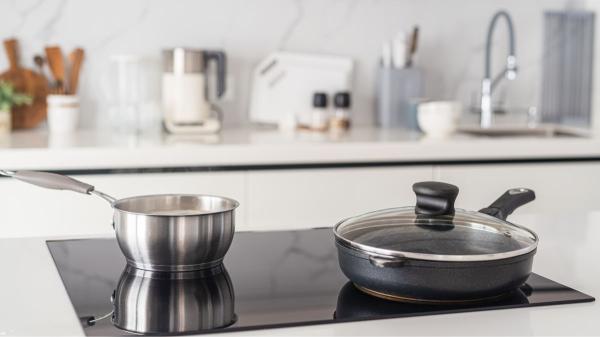
Which one should you buy based on how you use the kitchen?
Choosing between induction and glass-ceramic depends mainly on three factors: your budget, the frequency with which you cook, and the importance you place on long-term energy savings.
If you cook every day, use several cooking zones and want to reduce electricity consumption, induction is usually the most recommended option. Although the initial investment is higher, its greater energy efficiency allows you to save electricity over time. In addition, it cooks faster, offers more precise temperature control and is safer because the surface does not reach such high temperatures.
On the other hand, if you have a tighter budget or you barely use the kitchen, a ceramic hob can still be a good alternative. The purchase price is usually lower and you won’t have to worry about changing pots or pans since it works with virtually any type of container.
It is also worth thinking about the long term. Many people only look at the initial cost, but the difference in consumption between both systems can be noticed over the years. Various analyzes place induction as a technology between 20% and 40% more efficient than a traditional glass-ceramic.
Another important point is daily comfort. Induction usually offers a more modern experience, since it boils water in less time, makes the surface less dirty, and allows for more agile cooking. In fact, both experts and many users agree that, once you try induction, it is difficult to go back to a conventional ceramic hob.
If you want to read more articles similar to Induction vs ceramic hob: this is the option that can reduce your electricity bill, we recommend that you enter our Energy Savings category.
