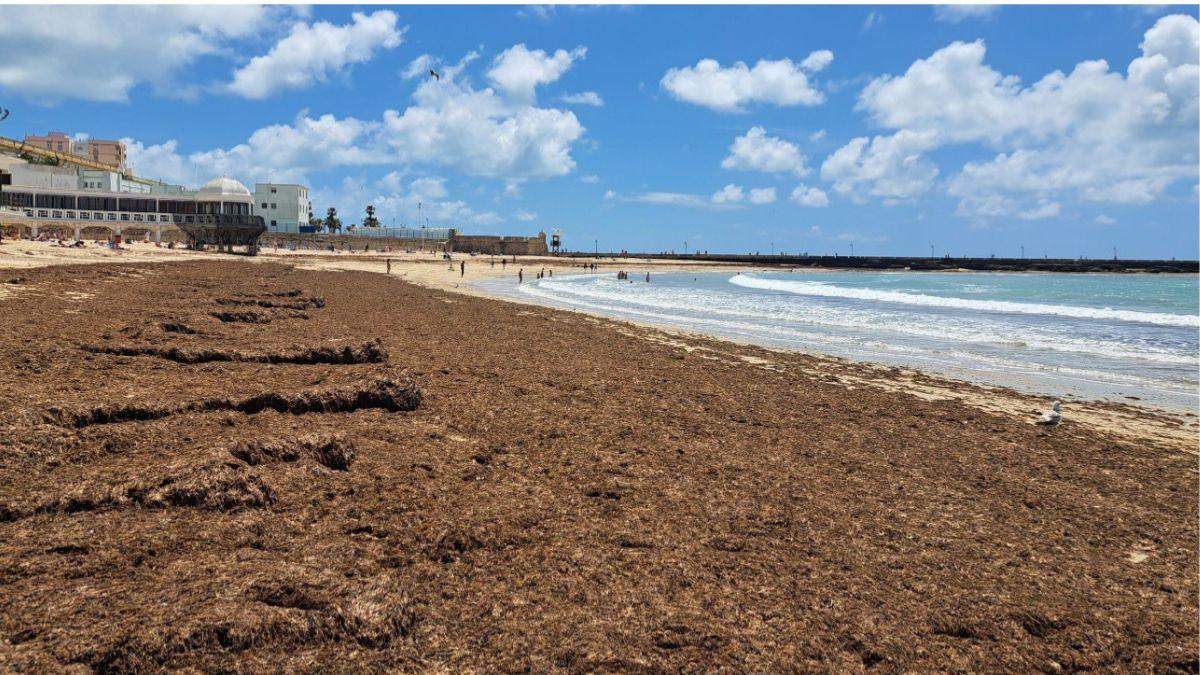
Invasive algae have become one of the greatest threats to Spain’s aquatic ecosystems. In recent years, several species from other parts of the world have expanded along the coastline and some rivers, displacing native algae and altering the natural balance of these habitats.
This phenomenon is largely associated with human activity and environmental factors that favor its proliferation. Although eradicating them completely is practically impossible once they are established, scientists and administrations work to stop their expansion and reduce their impacts.
What are invasive algae and why do they spread so quickly?
Invasive algae are species that are not native to an ecosystem and that, after arriving accidentally or intentionally, manage to establish and expand quickly.
Unlike native species, they find favorable conditions to grow in their new environment and, in many cases, they lack natural predators to control their growth.
As a consequence, they colonize large areas in a short time and displace the marine or river vegetation typical of the area.
These algae can grow both in the sea and in continental waters, adhering to rocks, sandy bottoms, infrastructure and even other species.
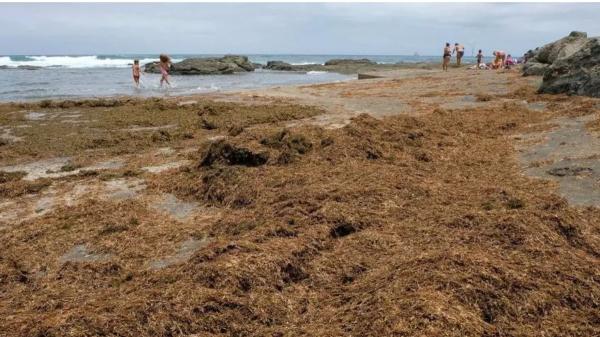
This is how invasive algae have arrived on the Spanish coasts
The expansion of these species is closely related to human activity.
Among the main routes of introduction are:
- Maritime transport using ship ballast water.
- Aquaculture.
- The trade in ornamental species.
- Tourism and recreational boating.
Once they arrive in a new ecosystem, many of these algae reproduce very easily, which makes their elimination very complicated.
In recent years, the expansion of the Asian alga Rugulopteryx okamurae has become one of the most worrying cases of biological invasion on the Spanish coast. Originally from the western Pacific, this species was first detected around the Strait of Gibraltar around 2015, and since then its spread has been rapid and constant.
Initially located in southern areas such as Cádiz, its presence has progressively spread along the Andalusian coast and has reached other regions of the country. Currently, it has already been detected in the Cantabrian Sea, Galicia and even in protected areas such as the Atlantic Islands National Park. This advance demonstrates its great capacity to adapt to different environmental conditions.
One of the key factors that explains its expansion is its extraordinary capacity for reproduction. Unlike other species, this alga can multiply asexually from small fragments, which facilitates its dispersal through marine currents and human activities. Once established, its eradication is practically impossible, which greatly complicates its control.
The fastest growing invasive algae in the world
Another of the most aggressive species present on the Spanish coast stands out Caulerpa cylindracea, considered one of the invasive algae with the greatest capacity for growth and expansion globally. Originally from Australia, it reached the Mediterranean Sea accidentally in the 90s and, since then, it has not stopped spreading to different coastal areas.
According to various studies, it can expand rapidly thanks to the fact that, with any small fragment that breaks off, it is capable of generating a new individual, which facilitates its dispersion through sea currents or human activities.
Furthermore, this species forms dense mats on the seabed that displace native species. This massive growth not only reduces biodiversity, but also profoundly alters ecosystems, especially affecting sensitive habitats such as seagrass beds.
What damage do invasive algae cause to the native ecosystem?
Invasive algae generate significant alterations in the ecosystems where they establish themselves. One of the main impacts is the displacement of native species, as they compete for resources such as light, space and nutrients. By growing quickly and massively, they can cover the sea or river bottom, preventing the development of other algae and aquatic plants.
This substitution of species causes a reduction in biodiversity. Many organisms that depend on native algae for food, shelter or reproduction are affected, which can disrupt the food chain and ecosystem balance.
In addition, some invasive algae modify the physical and chemical conditions of the environment. For example, they can change the availability of oxygen in the water or alter the composition of the substrate, affecting sensitive species and habitats such as seagrass beds.
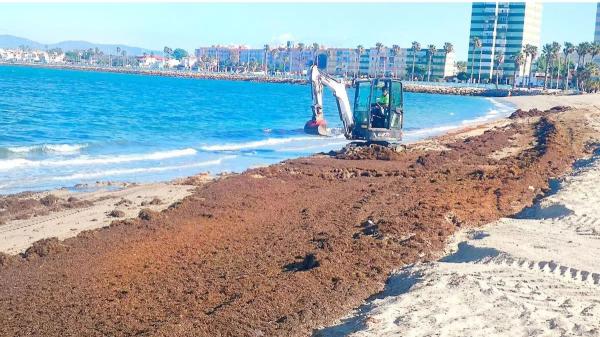
Removal, prevention and research: the plan to stop invasive algae
The proliferation of invasive algae in Spain has forced administrations, scientists and environmental entities to develop different action plans aimed at both controlling its expansion and protecting the affected ecosystems. However, the nature of these species makes complete eradication, in most cases, unviable, so efforts are focused on managing and mitigating their impacts.
One of the main approaches consists of the mechanical removal of algae in especially affected areas, such as beaches or areas of high ecological value. This measure, although necessary to reduce its accumulation and the effects on tourism or fauna, presents important limitations, since many species can regenerate from small fragments.
Another key line of action is prevention. Controls have been strengthened on activities that may favor the introduction and dispersion of these species, such as maritime transport or aquaculture. In this sense, the management of ships’ ballast water and the cleaning of vessels are fundamental measures to avoid new introductions.
Furthermore, scientific research plays an essential role. Universities and specialized centers are working on the study of the behavior of these algae, their ecological impact and possible more effective control methods, including biological solutions or the use of the biomass generated.
If you want to read more articles similar to Invasive algae in Spain: what they are, how they expand and why they worry scientists, we recommend that you enter our Biodiversity category.
