
An Australian island that for decades was dedicated to sheep farming is preparing to become a refuge for endangered fauna. Flinders Island, a territory of about 4,000 hectares off the coast of South Australia, has left its livestock activity behind to begin an ambitious process of recovery of its ecosystem.
The transformation has an investment of 4.8 million Australian dollars and aims to eliminate invasive species that threaten the fauna and create the necessary conditions to reintroduce several mammals that disappeared from the island.
The Woolford family, owner of the territory since 1979, is now participating in this project together with the Australian authorities. The last sheep left the island in 2025 and the next step will be to ensure that cats, rats and mice cannot endanger its future inhabitants again.
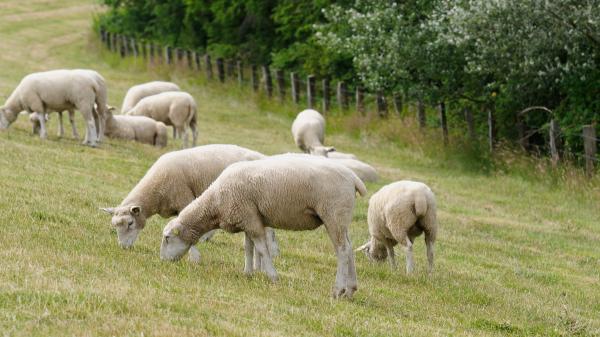
The last sheep have already left the island after almost 50 years of livestock activity
The story of Flinders Island (Australia) began long before this conservation project. The Woolford family arrived in 1979 and for decades developed a Merino sheep farm there, in addition to other activities linked to the marine environment, such as abalone fishing.
Over time, livestock farming lost prominence. The family reduced the number of animals and began to explore new possibilities related to nature and tourism. Now the most important change of all has occurred: the cattle have disappeared from the island.
The last sheep were removed in May 2025. The land is thus available for a project that aims to recover part of the biodiversity that historically existed in this territory.
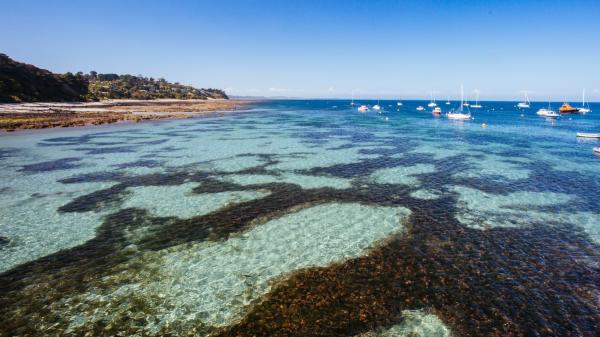
Flinders Island covers an area of approximately 4,000 hectares and is located approximately 35 kilometers from Eyre Peninsula. Its location, surrounded by the waters of the Great Australian Bight, offers particularly interesting conditions for conservation.
The island has about 50 kilometers of coastline, beaches, dunes, bays and cliffs, while a good part of its interior maintains native vegetation. A scenario that, with the right conditions, can become a natural refuge that is difficult to reach for predators.
The challenge that has put the project in check: eliminating cats, rats and mice from the island
The big problem in recovering the fauna was not related to the old livestock exploitation, but to the species that arrived on the island and adapted to it.
Feral cats pose an especially significant threat to small mammals. Added to them are rats and mice, capable of competing for food and affecting species that are intended to be recovered.
Therefore, before introducing new animals, those responsible for the project need to demonstrate that the territory is safe. Eradication operations began in 2025 and have required using different methods to locate even the last specimens.
The teams used cameras, drones equipped with thermal technology, ground tracking and specialized detection dogs. It is not only about reducing the population of predators, but about making them disappear completely.
The challenge is especially important on an island. A small number of invasive animals can reproduce quickly and once again jeopardize all the work done. For this reason, the project includes a surveillance period before giving the green light to reintroductions.
The operation is part of a collaboration between the Australian and South Australian governments, the Eyre Peninsula Landscape Board and the Woolford family.
The animals that disappeared from the island could return in 2027 after decades of absence
The reward for all this work will come when the island can once again welcome its former inhabitants. Fossil records show that Flinders Island once had a much more diverse terrestrial mammal fauna than today.
Species historically associated with the territory include the western quoll, southern brown bandicoot, brush-tailed possum and different types of wallabies.
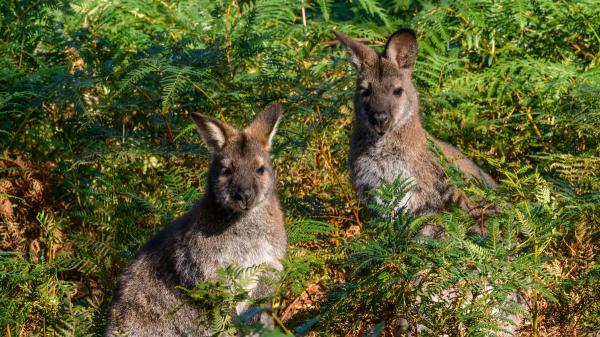
One of the animals that could star in this return is the banded hare wallaby, a small marsupial that is among the species planned for reintroduction. The tammar wallaby is also included among the possible candidates.
The idea is to use the island as a kind of natural ark, where these populations can establish themselves without pressure from cats and other introduced predators. However, the animals will not arrive until authorities can ensure that conditions are suitable.
Current forecasts place 2027 as a possible date for the first reintroductions, although everything will depend on the results of the eradication operations and subsequent monitoring.
The advantage that makes this island a natural refuge for endangered species
The 4.8 million Australian dollars allocated to the project will not only be used to remove invasive animals. They will also allow for monitoring, surveillance and preparation of the territory so that future mammal populations can be established with guarantees.
The case of Flinders Island also reflects a strategy increasingly used in conservation: taking advantage of islands and other isolated territories as refuges against invasive species.
The geography itself plays in favor of the project. Once cats and rodents have been eliminated, the sea functions as a natural barrier that makes it difficult for them to colonize the territory again. This allows better control of the ecosystem and protection of reintroduced species.
Almost five decades after the Woolford family bought the island to develop a cattle farm, the place is undergoing a radical transformation. The sheep have already left and now the objective is for the animals that disappeared one day to return.
If the program is successful, the 4,000 hectares of Flinders Island will become one of the most important refuges for endangered wildlife in South Australia.
If you want to read more articles similar to A family bought this Australian island to raise sheep and 50 years later is turning it into a refuge for threatened species, we recommend that you enter our Ecosystems category.
