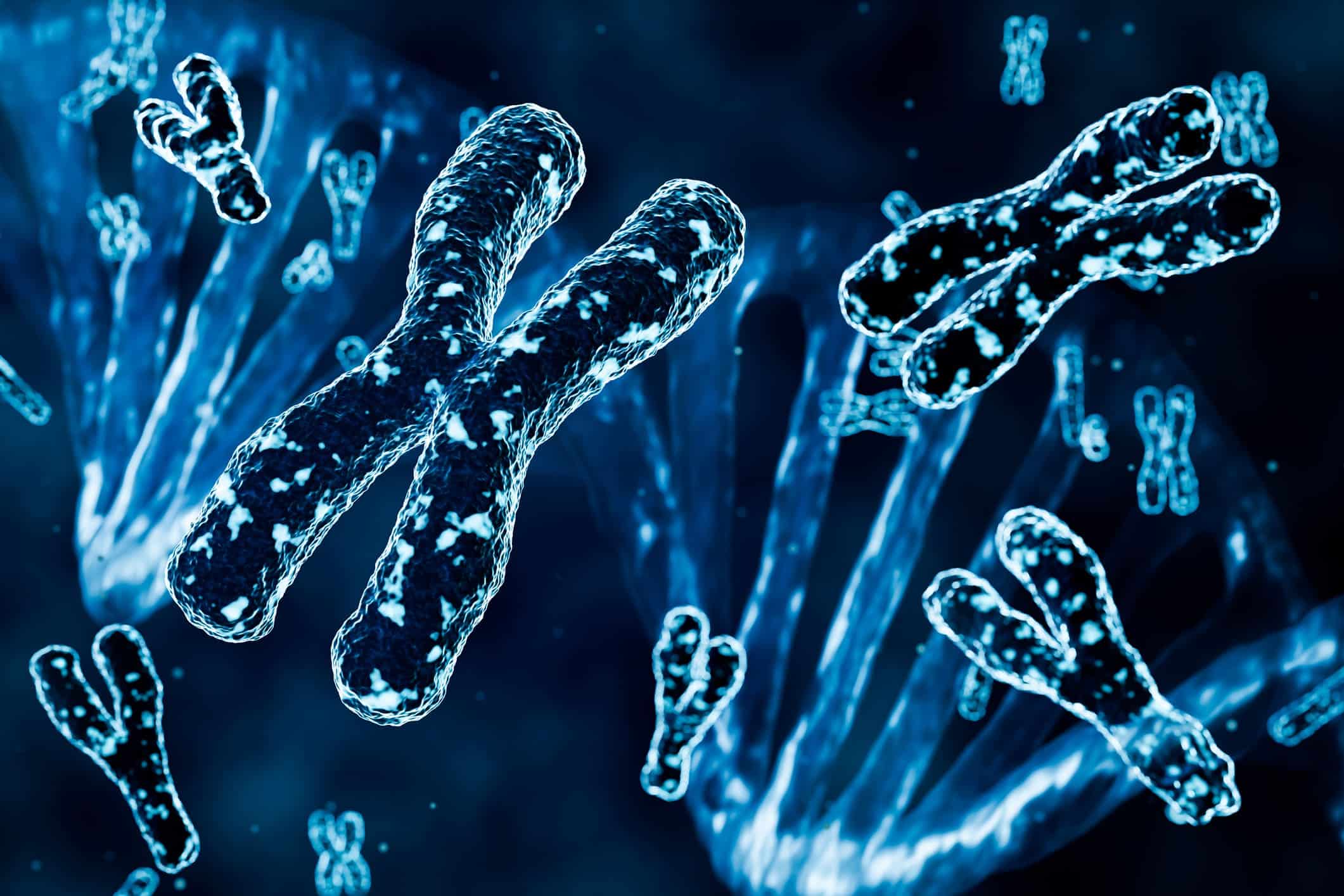
As we get closer to tumor cells, we find more cells with the missing Y chromosome: a trend that could improve early diagnoses.
The departure, from the tissues, of the more snubbed of the two chromosomes – the Y chromosome – could signal the presence of nearby tumor cells. A study from the University of Arizona has linked the loss of the Y chromosome in cells, a type of mutation linked to aging and which affects about 40% of men in their seventies, to a sort of genetic domino effect that could favor forms of cancer. The research was published in the scientific journal JCI Insights.
A loss harmful to health
While female cells have two X chromosomes, male cells have only one
This condition is called mosaic loss of the Y chromosome: as cells missing the Y chromosome multiply, areas of tissue with cells without Y form among other areas with XY cells. A situation that, over time, has been linked to various health risks, such as an increased risk of Alzheimer’s, or cardiovascular problems, chronic kidney disease, or contracting Covid in a serious form.
Loss of Y and tumors
Because loss of the Y chromosome has been linked to increased aggressiveness of some types of tumors, the authors of the new study wondered whether mapping the prevalence of this “disappearance” around tumors could signal disease progression. Can the abundance of cells lacking the Y chromosome in tissues be used as a signal of the presence of nearby tumors? The team analyzed a thousand tissue samples from 11 organs taken from 400 male donors and compiled a map of missing Ys in tumor, precancerous and normal tissues.
The scientists observed that the progressive disappearance of the Y chromosome in tissues was linked to progressively greater likelihood of tumors. «We think of this phenomenon as a gradient, similar to a slope that gradually gets steeper. The closer the tissue is to the tumor, the greater the loss of the Y chromosome” explains Dan Theodorescu, oncologist and senior author of the study.
A signal we can exploit?
The hypothesis is that the absence of Y exposes cells to environmental conditions that can favor the development of tumors, for example by facilitating inflammatory processes. Further studies on the loss of the Y chromosome may, perhaps, allow us in the future to exploit the areas in which the Y is missing as placeholders to indicate the boundaries of possible tumors: for example, to direct to more in-depth examinations in case of doubtful results in screening tests.
