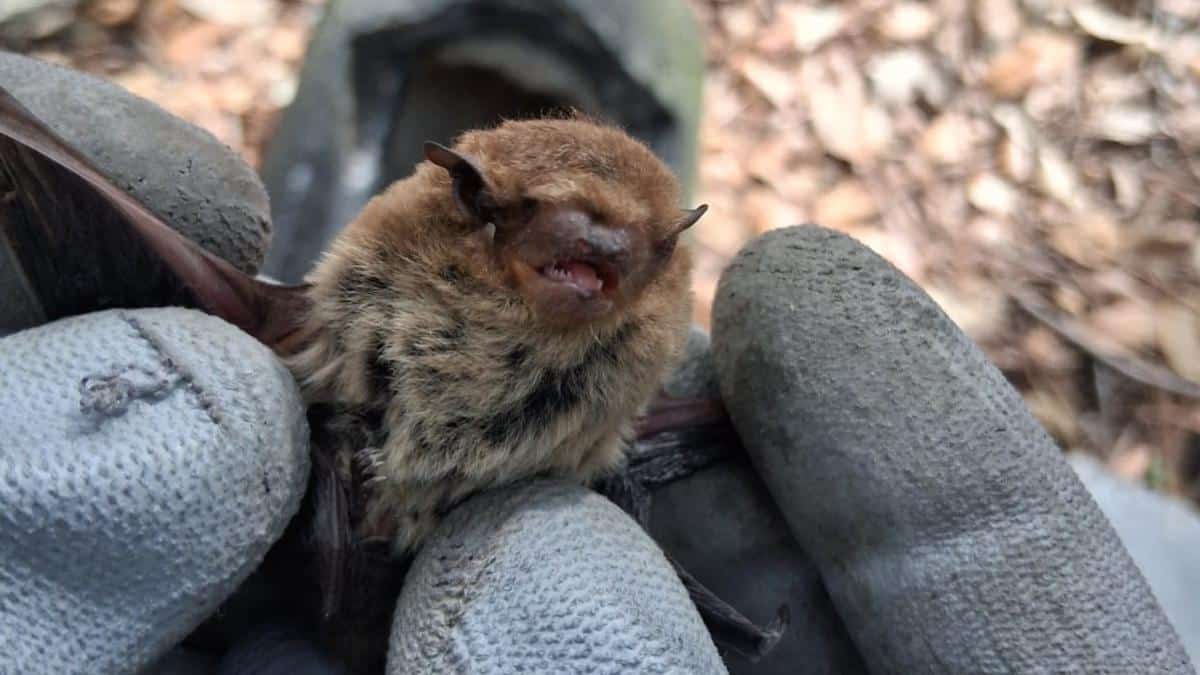
In the forests of Mallorca there is an “army” that works when night falls. It does not carry weapons or need chemical products: they are bats, small insectivorous mammals that can become natural allies against one of the best-known pests of pine forests, the pine processionary.
In the Commune of Bunyola, in the heart of the Serra de Tramuntana, the Forest Health Service of the Balearic Government has just inspected and maintained 32 shelter boxes for bats installed in this natural space. During the inspection, specimens of two different species of bats were detected, a sign that these artificial shelters are being used.
The initiative is not new nor is it limited to Bunyola. The Government has been using these refuges for years as a tool for biological control of forest pests, taking advantage of the fact that bats feed on numerous flying insects.
Bats hunt processionary moths
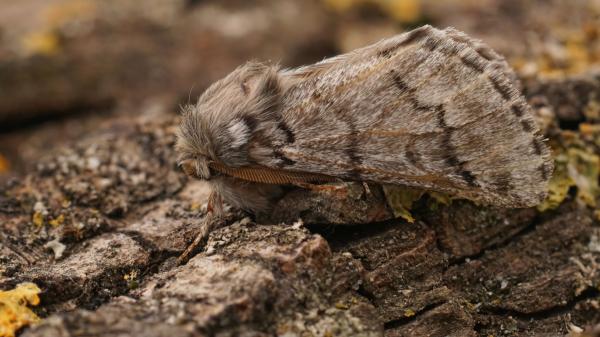
The key is in a specific phase of the processionary cycle. Before the well-known caterpillars that form the characteristic white bags on pine trees appear, the adults of Thaumetopoea pityocampa They are night butterflies.
It is precisely during this stage when bats can act as predators. The Balearic Forest Health Service itself considers them to be major predators of butterflies in flight and uses shelter boxes to encourage their presence in the forests.
The strategy has a simple objective: encourage the presence of natural predators of the pest to help reduce their populations. If fewer processionary butterflies manage to reproduce and lay eggs, there will potentially be fewer caterpillars in the next phase of the cycle.
It is not, therefore, that the bats alone eliminate the processionary. The Government integrates them into a broader strategy to control this pest, along with other measures and with the protection of different species of auxiliary fauna.
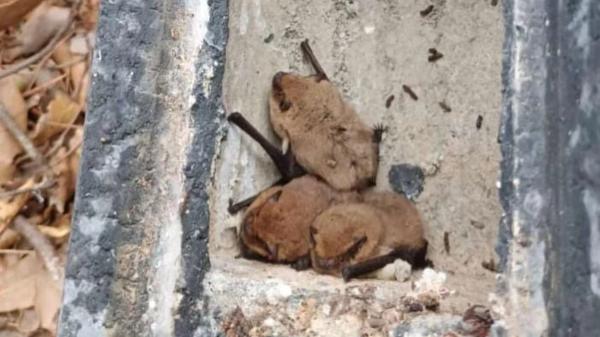
Bunyola already has 32 artificial shelters
The most recent action has taken place in the Commune of Bunyola, where there are 32 shelter boxes installed to provide places of rest and refuge for these flying mammals.
On September 30, 2026, technicians from the Forest Health Service reviewed its status and verified its occupancy. The inspection allowed two species of bats to be recorded, in addition to evaluating the state of conservation of the boxes and the populations that use them.
This data also serves to better understand where bats are concentrated and can help decide where to place new roosts. It is a way of taking advantage of the forest’s own biodiversity to reinforce natural pest control.
The Balearic experience has also been developing for years. In 2022, the Government reported the installation of 100 new shelter boxes in Mallorca, Ibiza and Formentera, with some 550 boxes of this type then distributed across the islands. In the inspections carried out that year, bats belonging to several species were found in part of the shelters.
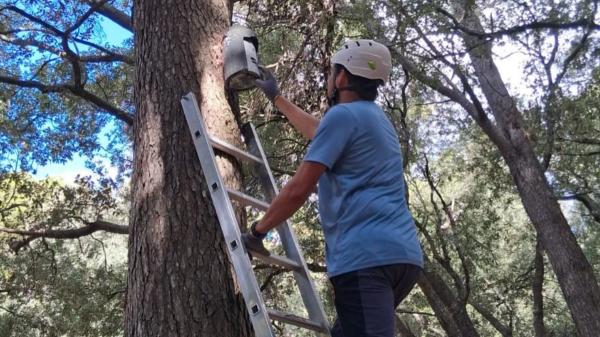
A natural help against a pest that affects pine forests
The processionary is not a problem exclusive to a specific area of Mallorca. The Balearic Government considers different methods to control its populations, from pheromone traps to specific treatments and removal of bags, depending on the time of the cycle and the level of affectation.
Bats constitute another piece of this strategy. In fact, they are not the only natural allies. The auxiliary fauna of the processionary also includes birds, parasitoid insects, arachnids and other insectivorous animals. Among the birds that can prey on different phases of the processionary in the Balearic Islands are the cuckoo, the nightjar, the hoopoe, the great tit and the Balearic blue tit.
Therefore, installing shelter boxes does not simply mean placing wooden structures in the trees. The objective is to favor animal populations that are already part of the ecosystem and that can contribute to the natural balance of the forest.
A small refuge that can become a great ally
The strategy is especially interesting because it combines two objectives: conserving biodiversity and strengthening the natural control of a forest pest.
In addition, Balearic bats are protected and perform other important ecological functions, as they consume a large number of nocturnal insects. Therefore, boxes installed in forests should not be handled or opened on their own.
The experience of the Bunyola Commune thus demonstrates that the control of a forest pest does not always depend solely on treatments. Sometimes, part of the answer can be found in favoring the very animals that have been hunting insects in the forests for thousands of years.
In this case, when night comes, the work of this particular invisible army against the pine processionary moth also begins.
If you want to read more articles similar to The unexpected ally that protects the forests of Mallorca: 32 bat shelters help combat the processionary, we recommend that you enter our Biodiversity category.
