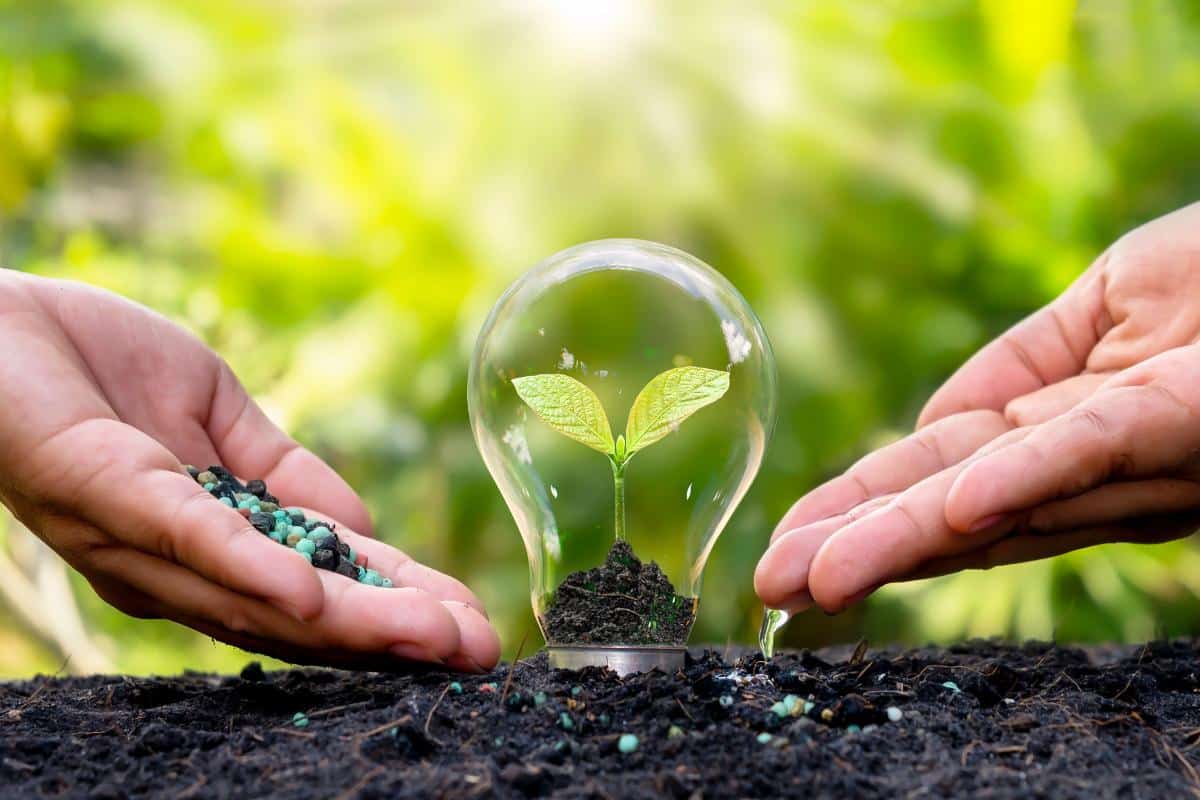
Have you ever heard about eco-innovation? Ecological innovation has the main objective of reducing negative environmental impact and promoting sustainability. Nowadays, with the climate crisis, it is urgent that companies, governments and society in general look for innovative alternatives in the generation of products and services so that they are responsible with the environment and contribute to sustainable development.
If you want to know more about what eco-innovation is and what it is for, be sure to read this interesting article from Evidence Network in which we explain it to you in detail.
What is eco-innovation
Eco-innovation or also called “ecological innovation” refers to the development and implementation of new solutions, processes, products or services whose main objective is to reduce negative environmental impact and promote sustainability.
We recommend you read these articles about What is negative and positive environmental impact and Types of environmental impacts. It is also recommended to read this other article to better understand ecological innovation: What is environmental and social sustainability.

What is eco-innovation?
Eco-innovation consists of the adoption of business and technological practices that follow these guidelines:
- They minimize the use of natural resources. Here you can read about the problem of Overexploitation of natural resources: causes and consequences.
- They reduce GHG or greenhouse gas emissions.
- They promote energy efficiency. You can learn more about what energy efficiency is: definition and examples here.
- They look for more environmentally friendly alternatives.
Eco-innovation can address a wide range of sectors, from energy production to consumer product design.
What is eco-innovation for?
Eco-innovation serves to address environmental challenges and promote more sustainable development by integrating sustainability principles into innovation processes and the creation of products and services. Here are some of the key features and benefits of eco-innovation:
- Reduction of environmental impact: Eco-innovation seeks to develop solutions that significantly reduce environmental impact compared to conventional practices and products. This includes reducing greenhouse gas emissions, optimizing the use of natural resources and minimizing waste.
- Efficiency in the use of resources: By adopting more resource-efficient practices and technologies, eco-innovation contributes to the conservation of raw materials and energy. This can lead to greater efficiency in production processes and long-term cost reduction.
- Promotion of the circular economy: Eco-innovation encourages the adoption of business models based on the circular economy, where reuse, recycling and recovery of materials are promoted. This helps reduce dependence on virgin resources and minimize waste generation.
- Stimulation of technological innovation: By addressing environmental challenges, eco-innovation drives the research and development of new clean and sustainable technologies. These innovations can have applications in various sectors and contribute to the overall progress of society.
- Compliance with environmental regulations: In many places, there are environmental regulations and standards that require companies and organizations to meet specific standards. Eco-innovation helps companies adapt to these requirements and stay in compliance with environmental regulations.
- Differentiation in the market: Products and services developed through eco-innovation can differentiate themselves in the market by highlighting their sustainable characteristics. This can be attractive to consumers and businesses looking for more environmentally friendly options.
- Awareness and social responsibility: Eco-innovation also contributes to increasing awareness of environmental problems and promotes corporate social responsibility. Organizations that adopt sustainable practices can improve their reputation and attract environmentally conscious consumers.

Examples of eco-innovation
Graviky Labs Air-Ink
- Sector: Art and Sustainability
- Description: Graviky Labs has developed Air-Ink, a sustainable ink made from air polluting particles, captured by a device installed in factory chimneys.
Upcycling of Textile Waste by Patagonia
- Sector: Fashion and Textiles
- Description: Clothing brand Patagonia has implemented recycling and upcycling programs for used clothing to give new life to old garments and reduce the need for new materials.
Boyan Slat Ocean Cleanup Project
- Sector: Environmental Conservation
- Description: The Ocean Cleanup project uses floating booms to collect and clean plastics and debris from the ocean, contributing to the reduction of marine pollution.
Here we tell you how The Ocean Cleanup works.
Coca-Cola Paper Bottle Factory
- Sector: Packaging and Beverages
- Description: Coca-Cola has developed bottles made from paper instead of plastic, reducing dependence on non-biodegradable materials and encouraging recycling.
Vertical Urban Gardens
- Sector: Urban Agriculture
- Description: The implementation of vertical urban gardens uses small spaces to grow food efficiently, reducing the need to transport agricultural products over long distances.
Ecoalf – Clothing Made from Ocean Waste
- Sector: Fashion and Textiles
- Description: Ecoalf is a fashion brand that uses recycled materials, including plastic waste collected from the ocean, to make clothing and accessories.
Bamboo as a Sustainable Alternative for Disposable Utensils
- Sector: Food and Drinks
- Description: Using disposable utensils made from bamboo instead of plastic helps reduce plastic pollution and takes advantage of a renewable resource.
Shared Bikes and Micromobility Systems
- Sector: Transport
- Description: Bicycle sharing systems and other sustainable modes of transportation are being implemented in urban areas to reduce traffic congestion and greenhouse gas emissions.
BioUrban Air Purification Project
- Sector: Urban Infrastructure
- Description: BioUrban is an air purification system that uses vertical moss structures to absorb atmospheric pollutants in urban environments.
Sky Greens Vertical Farming System
- Sector: Agriculture and Food
- Description: Sky Greens has developed vertical farming systems in Singapore, maximizing space and reducing the ecological footprint associated with food production.
After learning about what eco-innovation or ecological innovation is, we encourage you to discover Green Technology: what it is, objectives and examples.
If you want to read more articles similar to Ecoinnovation: what it is and what it is for, we recommend that you enter our Ecological Products category.
