
With the arrival of cold weather, finding a way to heat your home without raising your electricity bill becomes a priority.
Pellet stoves have gained prominence as an alternative to electric radiators and there is one fact that is especially striking: they can reduce heating costs by up to 57%. But how do they work and what advantages do they offer over other systems? Their fuel, usually made from wood waste, and their ability to keep a room warm for hours make them an option worth knowing. Of course, before installing them it is advisable to assess how much they cost, what maintenance they require and whether they adapt to the characteristics of the home.
Pellet stove or electric radiators: the difference in expenses can exceed 700 euros
The difference in consumption between a pellet stove and an electric radiator can be considerable, especially during the coldest months of the year. According to a study by the Organization of Consumers and Users (OCU) published in November 2022, heating a 90 square meter home with a pellet stove meant an approximate expense of 545 euros per season, compared to the 1,255 euros it cost to use electric radiators.
The difference reaches 710 euros, which represents a saving of close to 57% in favor of pellet heating. However, these data correspond to specific conditions and the energy prices at that time, so they should not be interpreted as guaranteed savings for any home.
The comparison also changes when other heating systems are taken into account. In the same study, electric accumulators represented an expense of around 1,046 euros per season, while a natural gas condensing boiler was around 683 euros. In both cases, the pellet stove still offered a lower cost.
For its part, the most economical alternative in that comparison was the heat pump, with an estimated cost of 455 euros per season. This data shows that, although pellet stoves can represent an interesting option to reduce heating costs, it is advisable to compare different technologies before making a decision.
Furthermore, the real savings depend on aspects such as the square meters of the home, thermal insulation, the usual temperatures in the area and the number of hours the heating remains on.
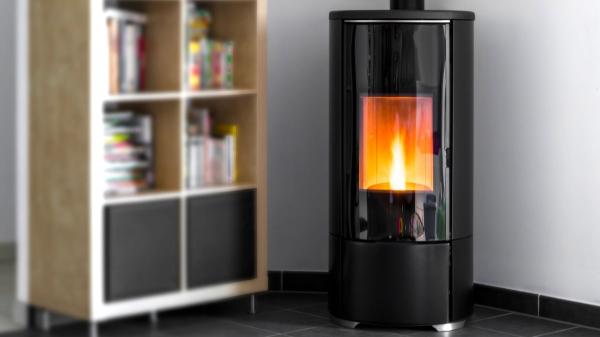
Why pellet stoves consume less than electric radiators
One of the main reasons why pellet stoves can be more economical is their ability to generate heat using a relatively low-cost fuel. Unlike conventional electric radiators, which directly transform electricity into heat, these devices use small cylinders of pressed wood that burn in a combustion chamber.
Pellets stand out for their calorific value and for generally coming from compacted wood waste. This allows a significant amount of energy to be obtained from a relatively small amount of fuel. In addition, modern stoves incorporate automatic feeding systems and fans that help distribute heat throughout the room.
On the other hand, electric radiators depend directly on the price of electricity and the power of the device. The more hours they remain on, the greater the accumulated consumption. Although they are easy to install and do not require fuel or complex maintenance, they can represent a high expense when used as the main heating system.
Not only do they allow you to save: the advantages of pellet stoves that you should know
In addition to the possible economic savings, pellet stoves have other characteristics that explain why they have become an alternative for heating homes during autumn and winter. One of their main advantages is that they use a fuel of renewable origin, usually manufactured from wood remains from forestry and industrial activities.
Another notable aspect is its autonomy. Many models incorporate tanks that store several kilos of pellets and automatic systems that regulate the fuel supply depending on the selected temperature. This allows a room to be kept warm for several hours without the need to continually add pellets.
They also offer high energy performance. Current models can achieve efficiencies greater than 85%, although the result depends on the characteristics of the device, its installation and operating conditions. In addition, some equipment allows you to program on and off times, making it easier to adapt the heating to the routines of each home.
However, these advantages come with some limitations. Stoves need an adequate smoke outlet, require periodic cleaning and generate ash during combustion. It is also necessary to have space to store the bags of pellets in conditions that avoid humidity.
Therefore, although they can be an interesting solution to reduce energy costs, they are not necessarily the most suitable option for all homes. The available installation, heating needs and initial budget are factors that should be considered before choosing this system.
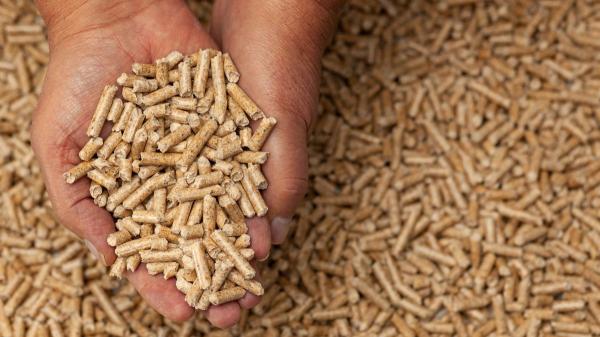
Is it worth installing a pellet stove this fall and winter?
Installing a pellet stove can be an interesting investment for homes looking to reduce heating costs, especially when electric radiators are used for many hours a day. The difference in operating costs can offset the initial outlay, although the time required to recover the investment will depend on the use made of the device and the prices of electricity and pellets.
Before buying one, it is advisable to calculate the necessary power based on the square meters that you want to heat and the insulation of the home. It is also important to check that it is possible to install an adequate smoke outlet and take into account maintenance and cleaning costs.
Another factor that should not be overlooked is the price of the pellets. Its cost may vary depending on the time of year, demand and availability of fuel. Therefore, it is advisable to compare prices and make sure you have a dry place to store them.
If you want to read more articles similar to Energy saving experts agree: “A pellet stove allows you to save up to 57% on heating compared to electric radiators”, we recommend that you enter our Energy Savings category.
