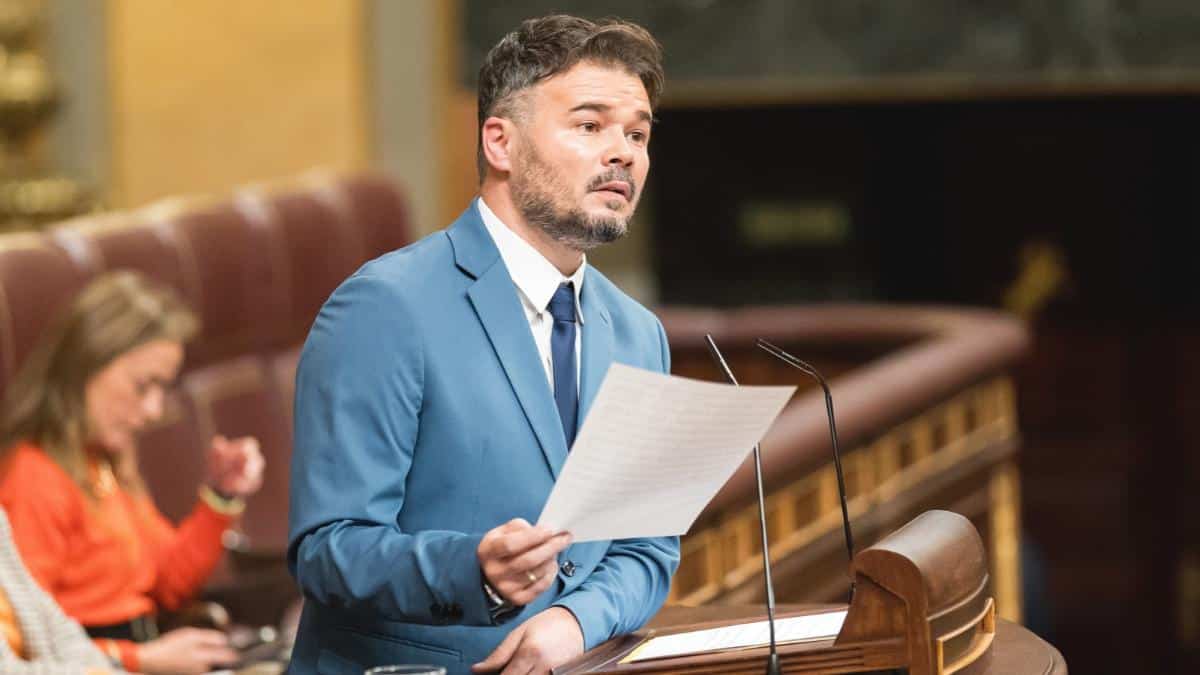
In an electoral debate held in November 2019, Gabriel Rufián launched a reflection on climate change that is still very topical: “We only have one planet and sometimes we act as if we had two or three.” With this phrase, the spokesperson for Esquerra Republicana de Catalunya (ERC) wanted to draw attention to the lack of responsibility with which we use natural resources and confront the climate crisis.
His intervention did not stop at a general warning. Rufián took advantage of that turn to defend a climate emergency law and propose measures related to local consumption, renewable energy and the reduction of polluting emissions.
Seven years later, scientific reports continue to warn of the pressure we exert on ecosystems, climate and biodiversity. A reality that gives context to his words and once again puts on the table the need to change our relationship with the environment.
Gabriel Rufián’s warning about climate change in an electoral debate
Rufián’s phrase was uttered during the electoral debate organized by RTVE on November 1, 2019, in the campaign for the general elections on November 10. The politician participated as a representative of ERC in a meeting in which spokespersons from different parties addressed economic, social, territorial and environmental issues.
In the block dedicated to equality, climate and social crisis, the moderator asked how Spain could contribute to improving the health of the planet. Rufián began by talking about the climate emergency and recalled the scientific warnings that, he noted, had been appearing for years without receiving sufficient attention.
“The films that many of us have been watching for years, that always start the same, with a scientist who warns and no one pays attention, well they are already here,” he stated before delivering his well-known reflection.
His message pointed to a contradiction: we know the environmental problems and their possible consequences, but our consumption and production habits continue to exert considerable pressure on nature.
The transcription of that debate allows us to recover the context of his words. It was not just a phrase about the future of the Earth, but a criticism of the lack of sufficient measures to confront global warming.
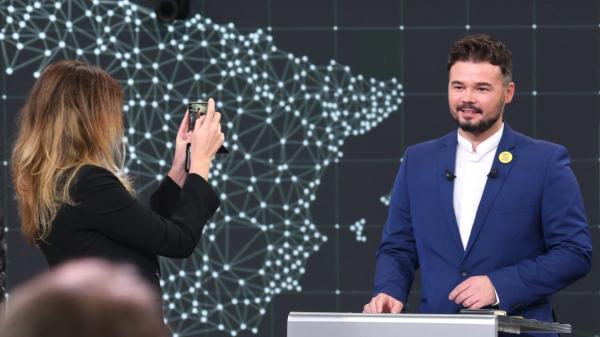
Local trade and renewable energies: the measures that Rufián defended
After his warning, Rufián explained some of the environmental proposals that ERC wanted to promote through a climate emergency law. His intervention focused on reducing the impact of freight transport, making better use of renewable energy and reducing greenhouse gas emissions.
One of his first criticisms was the unnecessary transportation of products that could be consumed close to their place of origin. To illustrate this, he used the example of an orange that arrives wrapped in various plastics after traveling thousands of kilometers.
“It doesn’t make any sense that an orange comes wrapped in four 4,000-kilometer plastic bags,” he said. With this comparison, he focused on the environmental impact of certain distribution chains and the importance of promoting local commerce.
He also defended that Spain should take better advantage of its conditions to develop renewable energies, especially solar energy. During the debate, he compared the Spanish situation with that of the United Kingdom and questioned whether the latter country was generating and using more solar energy than Spain.
Finally, he proposed greenhouse gas reduction targets of 40% by 2030, 60% by 2040 and 100% by 2050. These figures corresponded to the proposal he presented during that debate and should not be confused with the objectives established later in state legislation.
The idea that connected all these measures was that the fight against climate change requires transforming different daily activities and economic sectors.
Science confirms that human pressure on the planet continues to increase
Rufián’s warning finds context in scientific assessments of the state of the environment. The problem is not limited to global warming: it also affects biodiversity, natural resources, oceans and terrestrial ecosystems.
The United Nations Environment Program (UNEP) speaks of a triple planetary crisis, made up of climate change, the loss of biodiversity and pollution. In its Global Resources Panorama 2024 report, it warns of the increase in global consumption of materials and the need to transform production and consumption systems.
Climate change is another of the big alarm signals. The Intergovernmental Panel on Climate Change (IPCC) confirmed in its 2023 synthesis report that human activities have unequivocally caused global warming. Between 2011 and 2020, the average land surface temperature was approximately 1.1°C higher than in the pre-industrial period.
Furthermore, the loss of biodiversity reflects the extent to which we are modifying ecosystems. The 2019 IPBES global assessment estimated that around one million animal and plant species are threatened with extinction. Among its main causes, he identified changes in the use of land and sea, the exploitation of organisms, climate change, pollution and invasive species.
These problems are related: the deterioration of ecosystems affects essential services such as pollination, soil fertility, water regulation and carbon sequestration.
What can Spain do to reduce its environmental impact?
In Spain, one of the main instruments to face this challenge is Law 7/2021, on climate change and energy transition. Its original objectives for 2030 include reducing greenhouse gas emissions by at least 23% compared to 1990 and ensuring that renewable energy represents at least 42% of final energy consumption.
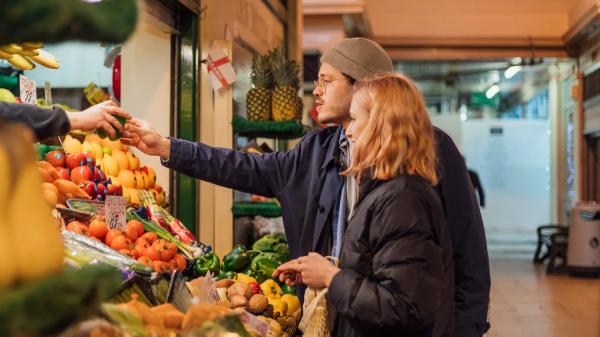
Beyond laws and institutional commitments, reducing environmental impact also requires changes in everyday life. Betting on seasonal and local products, avoiding unnecessary packaging, reducing food waste, improving energy efficiency and using less polluting means of transport are some decisions that can contribute to this objective.
However, the responsibility cannot fall exclusively on consumers. Public administrations and companies have a fundamental role in the transformation of energy production, distribution and generation systems.
Gabriel Rufián’s reflection remains a direct way to summarize the environmental challenge: we only have one planet and we need to organize our economy and our way of life taking into account its limits. Ignoring them not only affects nature, but also the health, nutrition and well-being of present and future generations.
If you want to read more articles similar to Gabriel Rufián and his warning about the planet: “We only have one and sometimes we act as if we had two or three”, we recommend that you enter our Environmental Policy category.