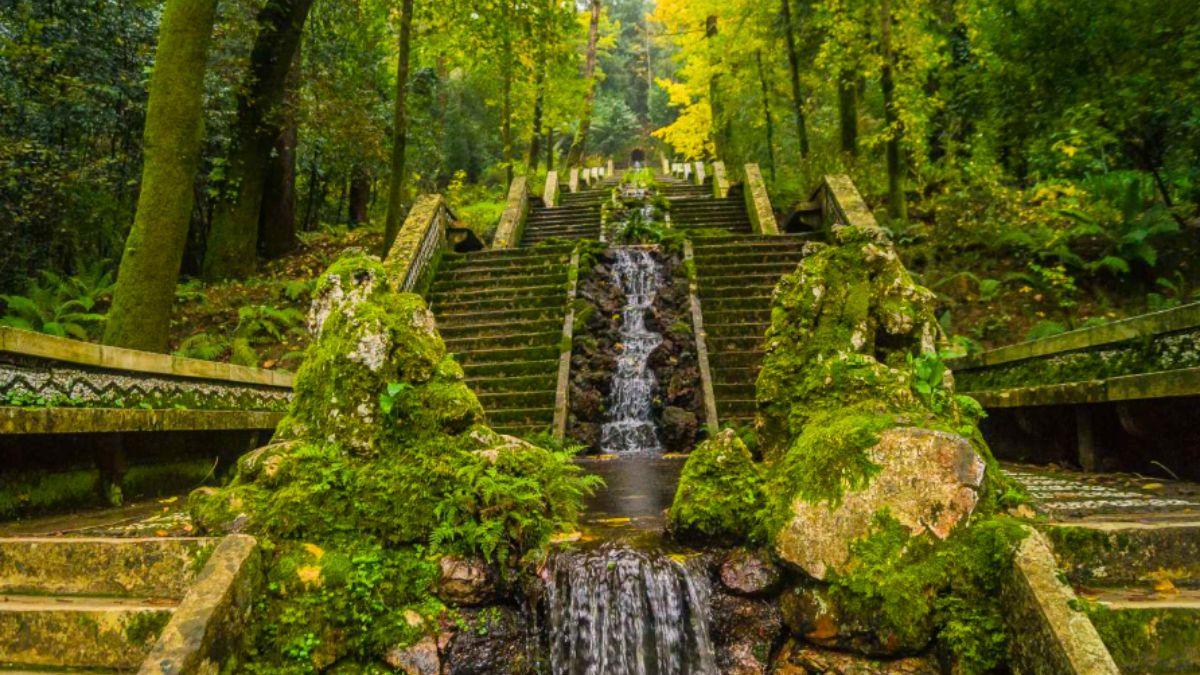
More and more studies suggest that spending time in nature can have positive effects on physical and mental well-being. Walking among trees, breathing clean air or disconnecting from urban noise are habits that many people incorporate into their routine, but now a forest in Portugal has gone one step further by obtaining recognition that places it among the most special on the planet.
The Buçaco National Forest, located in the center of the neighboring country, has become the first certified therapeutic forest in the Iberian Peninsula and one of the only four areas in the world that have this distinction. The recognition not only highlights its natural wealth, but also its ability to offer well-being experiences based on scientific criteria.
What does it mean for a forest to be therapeutic?
Contrary to what it may seem, a therapeutic forest is not simply a pleasant green space to walk. It is an environment that has been evaluated and prepared to promote conscious contact with nature and whose routes are designed to enhance the benefits that different research has associated with this type of experiences.
The certification of the Buçaco National Forest has been granted by Forest Therapy Hub, an international organization that evaluates different environmental, landscape and conservation aspects before granting this recognition.
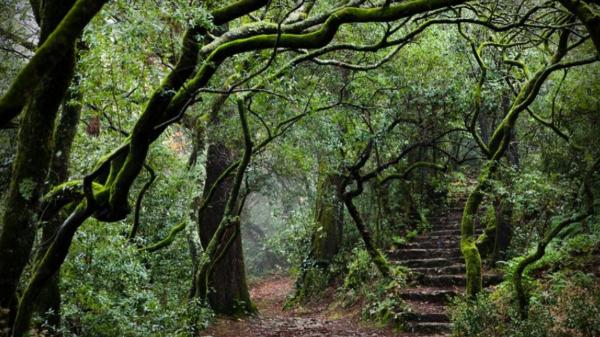
To achieve this, the forest must meet very specific conditions. Among them are high biodiversity, good air quality, a quiet environment, suitable trails to explore at a leisurely pace and a state of conservation that allows you to enjoy nature without major alterations.
In addition, these spaces often offer guided activities inspired by the Japanese practice of shinrin-yoku, known as “forest bathing.” Far from a conventional hiking route, these experiences invite you to walk slowly, stop, observe your surroundings carefully and connect with the sounds, aromas and sensations that the forest offers.
A recognition based on scientific evidence
In recent years, the relationship between nature and health has aroused growing scientific interest. Numerous studies have analyzed how contact with natural spaces can influence the body and emotional state.
Although the results may vary depending on each person and these types of activities do not replace any medical treatment, the available evidence suggests that spending time in forests and other natural environments can help reduce feelings of stress, promote relaxation, improve mood and even contribute to reducing some physiological indicators associated with stress, such as blood pressure or heart rate.
Precisely for this reason, some countries have begun to incorporate forest therapy programs into health and well-being promotion strategies. Japan was a pioneer in this area decades ago and, since then, the practice has spread to many places around the world.
The certification obtained by the Buçaco National Forest recognizes that this space meets the necessary conditions to develop this type of experiences in a structured and safe way, becoming a benchmark within the Iberian Peninsula.
The Buçaco National Forest, a forest with centuries of history
The value of this place goes far beyond its recent certification. The Buçaco National Forest is one of the most emblematic historical forests in Portugal and stands out for housing an extraordinary plant diversity.
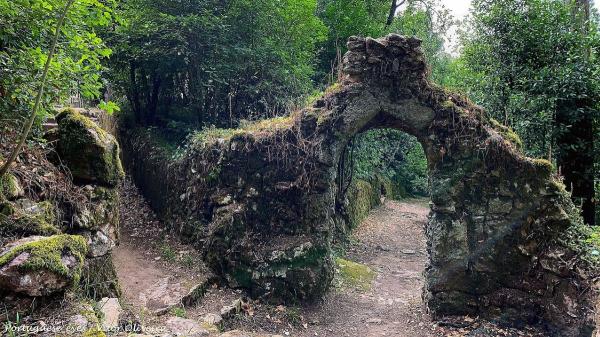
In its more than 100 hectares, hundreds of species of trees and plants coexist from different parts of the world, many of them introduced centuries ago by the barefoot Carmelite monks who inhabited this enclave. Thanks to its conservation work, the forest maintains a unique landscape where native species mix with other exotic species of great botanical value.
The environment also houses fountains, gardens, historical trails and the well-known Buçaco Palace, making the visit an experience that combines nature, heritage and history.
With the new certification, the forest also reinforces its role as a destination for those seeking a calmer tourism linked to well-being, moving away from the model based solely on quick visits or great monumental attractions.
A model that could inspire other natural spaces
Buçaco’s certification opens the door for other forests in Spain and Portugal to follow a similar path in the future. The Iberian Peninsula has numerous natural spaces that bring together great ecological wealth and that could develop initiatives aimed at promoting sustainable tourism and experiences related to health and contact with nature.
At the same time, this type of recognition contributes to highlighting the conservation of ecosystems. Maintaining well-preserved forests not only protects biodiversity, but also allows society to enjoy all the environmental benefits they offer, from improving air quality to regulating the climate or the possibility of finding places to disconnect from the daily rhythm.
The certification of the Buçaco National Forest shows that a forest can be much more than a space to walk. It can also become a place designed to promote the well-being of people, always with respect for nature and with conservation as the main objective.
If you want to read more articles similar to The first therapeutic forest on the Iberian Peninsula is in Portugal: what makes it so special, we recommend that you enter our Other environment category.
