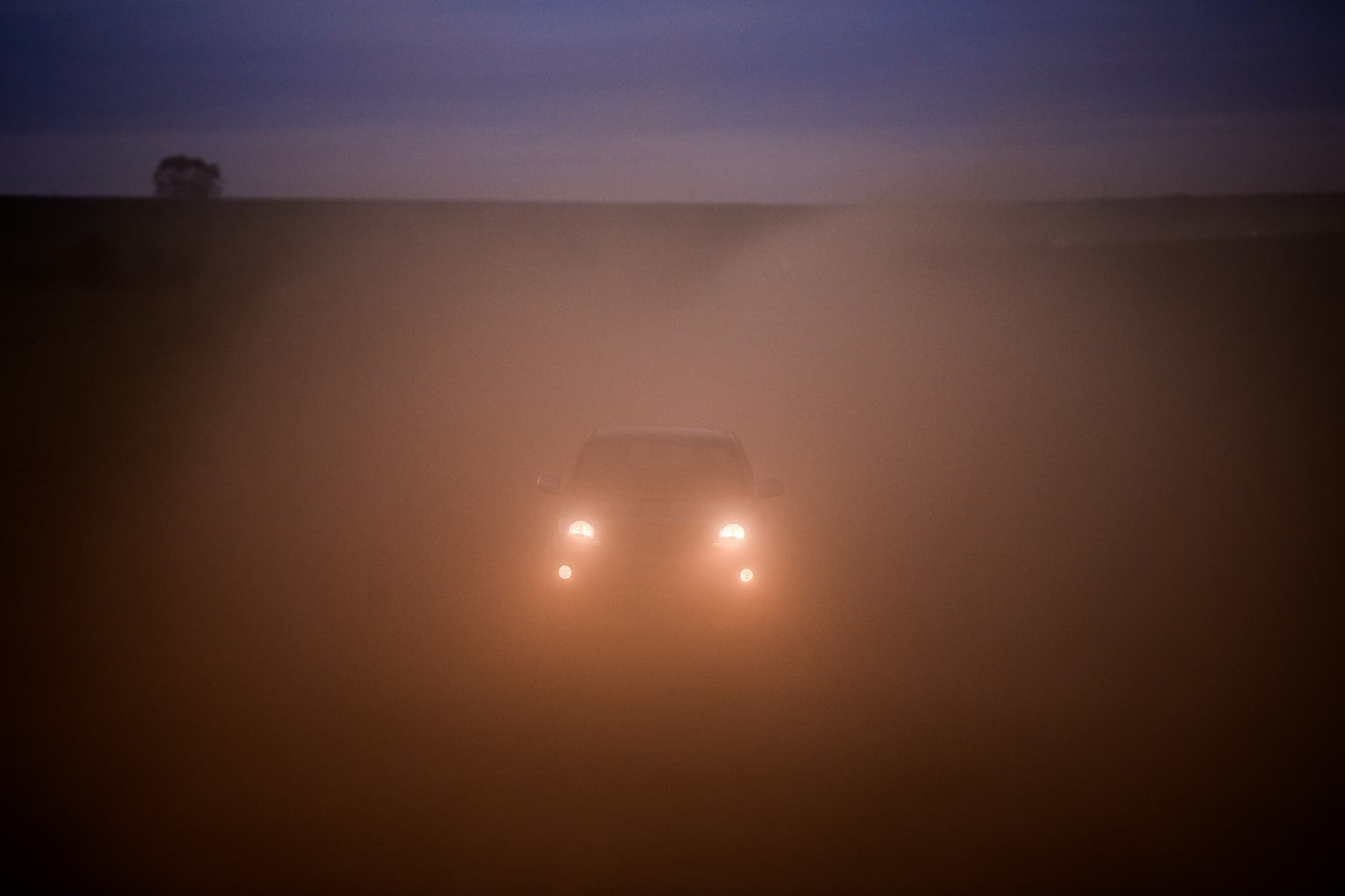
We, our neurons are unbeatable behind the wheel in extreme conditions, such as fog. But a breakthrough in AI is about to change the rules of the game.
Our sensory neurons, in fact, work as a team, following a mutual regulation mechanism. For example, if one of them is focused on a very dark area in a dark scene, nearby neurons increase the “volume” of this weak signal, amplifying small details and making them more visible.
The limits of autonomous vehicles
This adjustment process, similar to a volume adjustment, allows us to perceive relevant information in the field of vision and makes us much better at driving in difficult conditions (in fog, in storms, at night) than in self-driving cars. In fact, self-drive vehicles, without our regulation mechanism, can become blind to obstacles.
Performance
A group of scientists from the University of Valencia taught neural networks of AI models to imitate the way human neurons regulate, and then subjected them to driving tests in reduced visibility scenarios in virtual simulators. It worked: the models trained to imitate us achieved, even in conditions of thick fog and total darkness, performance that was more than 20% higher than the standard versions.
