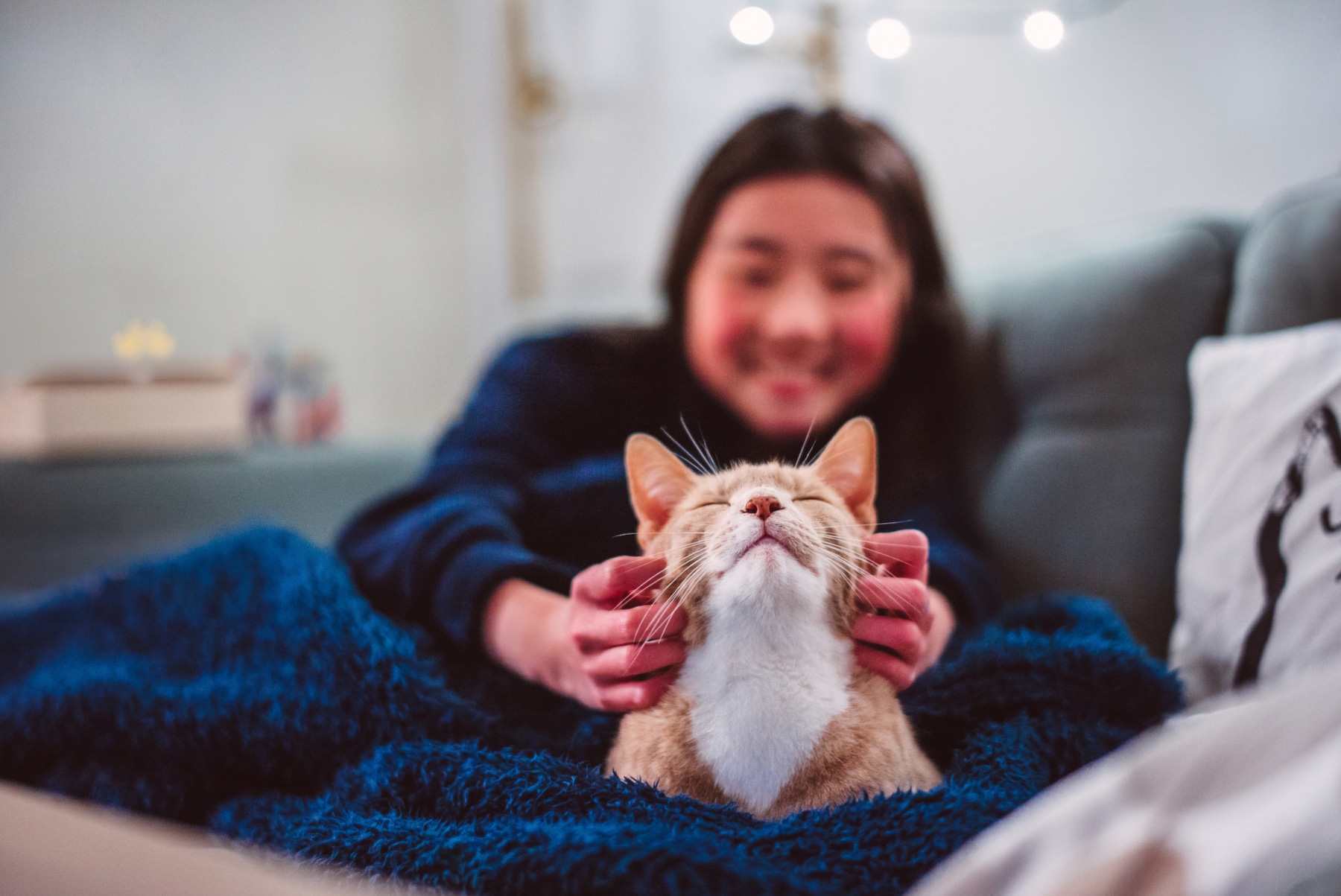
Cuddling cats (and dogs too) is a complicated science: we know that it works, in the sense that in the right conditions it makes both us and our animals feel better, but we still don’t have a clear understanding of the mechanisms that regulate this relationship.
A new study published in Cell suggests that, at least as far as cats are concerned, the bond we form with them may have a hormonal basis, which explains why we feel like their presence relaxes us – and vice versa.
In search of hormones
The experiment we’re talking about comes from Japan, from Kyoto University, and involved 19 humans and their 29 cats (some humans lived with multiple cats, of course, a factor that was taken into account in the study).
Of the 29 felines, only 24 turned out to be “usable”: the experiment involved taking several urine samples, and five subjects did not cooperate, a classic of studies with cats. The design involved the collection of three urine samples, accompanied by as many questionnaires filled out by humans and regarding their state of well-being.
Unable to be physically present for weeks at a time to observe the experiment, the researchers equipped the cats with gods beacons Bluetooth, small objects connected to the owner’s smartphone and which allowed the proximity between humans and felines to be continuously traced.
One of the limitations of the study is that it was not possible to understand what type of closeness was involved (cat in the arms, cat on the bed next to the owner…); However, the data collected made it possible to look for a link between generic closeness and physiological and psychological changes.
The love hormone between cats and humans
The results point to the role of one hormone in particular, oxytocin, which regulates empathy, social bonds and acts against anxiety and stress. The happiest humans had cats with high levels of oxytocin in their urine, and they had equally high levels of oxytocin (the humans also contributed their three samples). And vice versa, cats with high levels of oxytocin had equally happy and less stressed owners. According to the authors of the study, it could be physical contact (cuddles, purring…) that stimulates the production of the so-called “love hormone”.
The experiment, as mentioned, obviously has its limits, particularly given the small sample size. Then there is the fact that the hormones studied (cortisol, linked to stress and anxiety, was also analyzed, but with less clear results) are not a direct measure of whether or not a person or an animal is happy, but only one of the indicators.
And finally, the study does not demonstrate a direct causality between hormone production and well-being: it is also possible, for example, that when people are happier they simply interact more willingly with their cats, and it is not the felines that stimulate the production of oxytocin. All limitations that the authors recognize, and which they have already decided how to overcome in future studies on the issue.
