
For thousands of years, geographic barriers kept many species apart. Now, climate change and the transformation of ecosystems are altering that balance: crossings between species are multiplying in different parts of the world, from the Canadian Arctic to Scotland and Italy.
Hybrids can be fertile and pass on their genes for generations, posing new threats to the conservation of wild populations and their genetic heritage.
The alteration of ecosystems is bringing together species that previously barely came into contact
Crossings between different species are not a new phenomenon in nature, but in certain regions they are acquiring an unusual dimension. The transformation of habitats, the advance of human activities and the effects of climate change are modifying the distribution of numerous animals and favoring encounters that were previously much less frequent.
When two closely related species share territory, the chances of reproduction increase and hybrid populations capable of continuing to reproduce may appear.
The problem is not limited to the appearance of animals with intermediate characteristics. When the hybrids are fertile, they can be crossed again with specimens of one of the original species or with each other, progressively extending this genetic mix. This can make it difficult to conserve small populations and alter characteristics that have been maintained for generations.
In addition, scientists are still studying to what extent these crossings modify the behavior, the ability to adapt, or the relationship of these animals with their environment. In especially fragile ecosystems, hybridization can thus become an additional factor of pressure on species that already face habitat loss, climate change or other threats.
The melting of the Arctic favors the encounter between polar bears and grizzlies
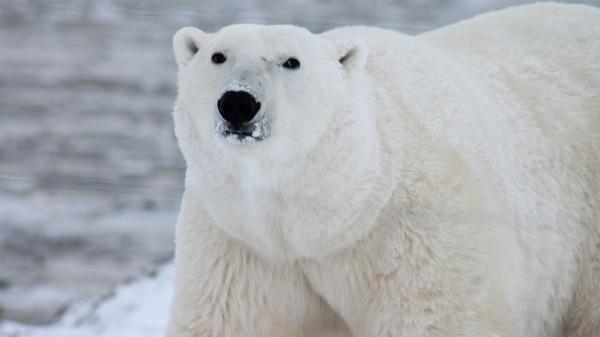
The warming of the Arctic is modifying the territory available to some species and is also altering the areas in which they traditionally moved. As sea ice shrinks, polar bears are spending more time on land, where the chance of encountering grizzly bears increases.
Both species belong to the genus Ursus and can reproduce with each other. From these crosses, those known as grolars are born, hybrids that present a combination of characteristics of the two parents. The phenomenon is especially relevant because the retreat of ice not only affects the availability of food and the behavior of polar bears. It may also push them toward areas commonly occupied by grizzlies, reducing the geographic separation that historically limited encounters between both species.
The emergence of hybrids does not necessarily mean that polar bears are disappearing in this way, but it raises questions about the long-term consequences of greater genetic mixing.
In Scotland, hybridization threatens to erase the genetic heritage of the wildcat
The case of Scotland shows how crossings between species can become a particularly sensitive problem when they affect an already reduced population. The European wildcat was once widespread throughout Great Britain, but its current presence is practically limited to Scotland, where its situation is critical. The estimates cited place between 30 and 430 specimens that would remain in the territory.
For approximately six decades, wildcats have had contact and bred with domestic and feral cats. The problem has intensified because their descendants are also fertile, which allows them to continue reproducing and forming populations with different degrees of genetic mixing.
The result is a progressive dilution of the wildcat’s genetic heritage. The researchers cited in the study published in Current Biology point out that there would no longer be specimens completely free of this mixture in Scotland. Once the genes of a species are widely incorporated into a population, recovering the original genetic characteristics is extremely difficult.
Hybrids between dogs and wolves are also advancing in different areas of Europe
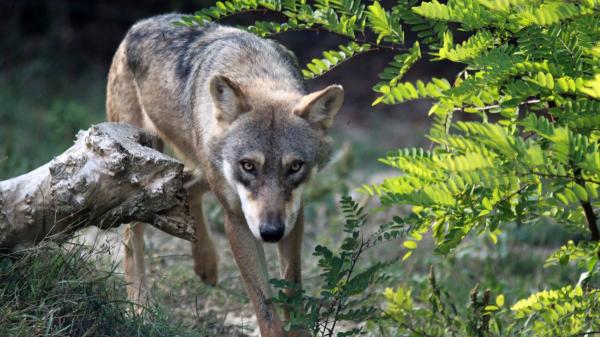
The crossing between domestic animals and wild species represents another scenario in which hybridization can alter the original populations. In Europe, the increase in wolf populations and their expansion into territories where they had disappeared for decades have increased the possibilities of contact with domestic and feral dogs.
Wolves and dogs belong to the same species (Canis lupus), although they are considered distinct populations. Therefore, their crosses can produce fertile offspring. These animals, commonly known as wolf-dog hybrids, can transmit genes from dogs to wolf populations for subsequent generations.
Italy is one of the places where this phenomenon has been studied with special attention. There, the recovery of the wolf has coincided with the presence of numerous feral dogs, creating opportunities for both populations to come into contact. Genetic analyzes make it possible to identify these crosses even when the animals have an external appearance similar to that of a wolf.
The researchers’ concern is especially focused on preventing hybridization from altering the genetic characteristics of wild populations. For this reason, monitoring through DNA analysis has become an important tool to detect hybrids and know to what extent they are present in European wolf populations.
These cases show that hybridization does not respond to a single phenomenon. Climate change, the transformation of habitats, the recovery of species and the expansion of domestic or feral animals can reduce the barriers that for a long time kept different populations apart.
If you want to read more articles similar to Crossbreeding between species is multiplying in Canada, Scotland and Italy and threatening the balance of fragile ecosystems, we recommend that you enter our Ecosystems category.
