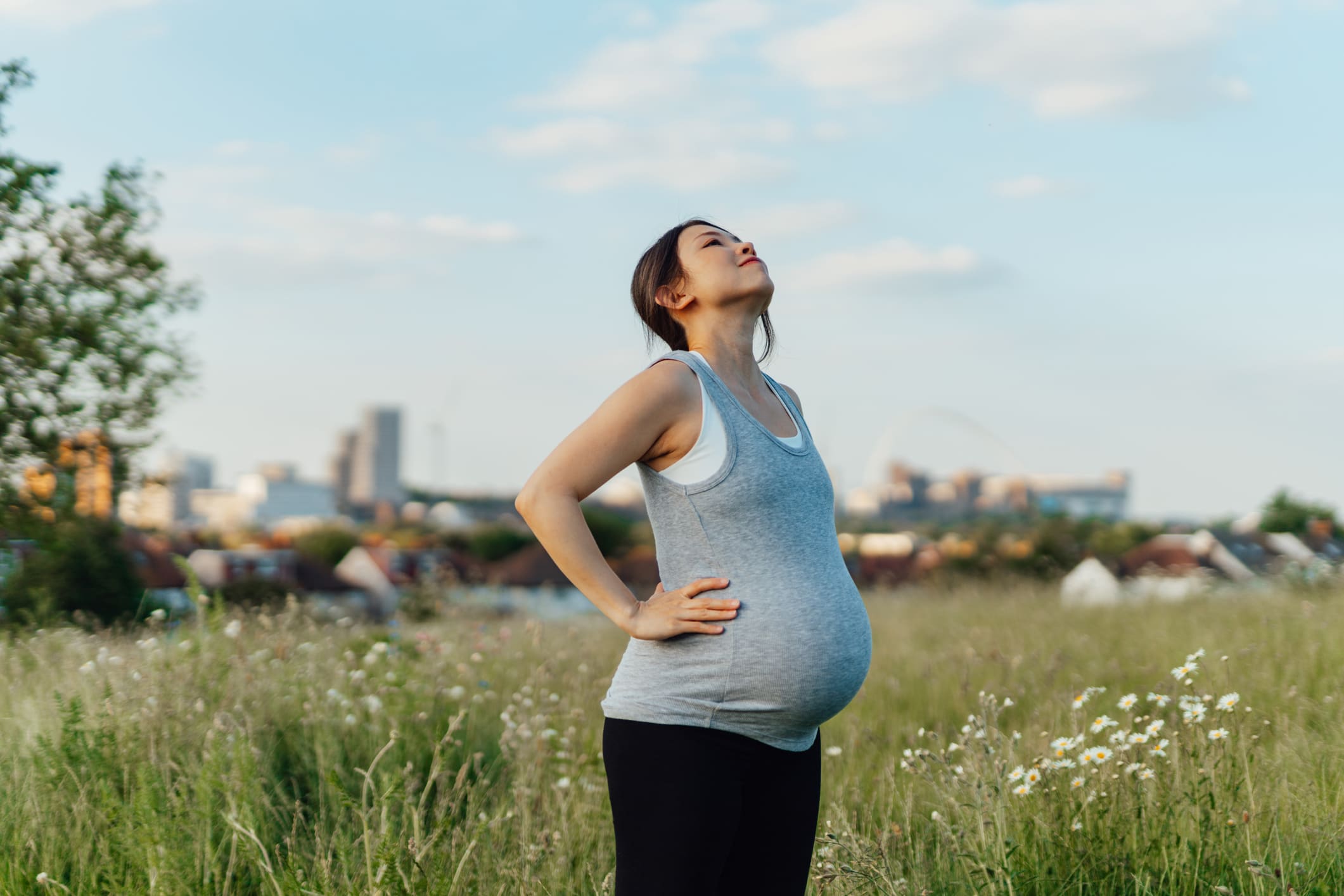
The Papillomavirus vaccine is associated with a lower risk of complications in pregnancy, especially in patients vaccinated when young.
The vaccine against the human papilloma virus (HPV), which is giving rise to hope for the eradication of cervical cancers and which reduces the incidence of head and neck cancers, could reduce adverse outcomes during pregnancy. Based on a large study published in the medical-scientific journal The BMJthis vaccine lowers the risk of preterm birth and other complications for pregnant women, with the most marked effects on women who received it when younger.
A very powerful prevention tool
It has long been known that an HPV infection during pregnancy as well as the methods used to treat lesions caused by HPV can increase the risk of early birth. This is why a line of studies is focusing on the HPV vaccine as a potential tool to defend the health of women and fetuses during pregnancy. A team of scientists from the Karolinska Institutet in Stockholm, Sweden, used Swedish national health registers to see whether a prior HPV vaccine was associated with a reduced risk of adverse pregnancy outcomes.
The researchers started from data relating to 624,713 single births, of first-time women aged between 16 and 35, which occurred in Sweden between 2006 and 2023. 15% of the patients had previously received the quadrivalent vaccine against the Human Papillomavirus, i.e. a vaccine that protects against four different strains of HPV (6, 11, 16 and 18).
On this starting material, the scientists carried out a so-called “case-control” study: they compared the cases of women who had experienced at least one adverse outcome during pregnancy with a series of cases of women used as control subjects, of the same age and year of conception, who had not experienced adverse outcomes.
The complications considered were preterm birth (before the 37th week); very preterm birth (28 to 31 weeks), premature rupture of membranes (i.e. loss of amniotic fluid before labor begins), birth of a very small newborn, death of a fetus before or during birth, or death of the newborn.
A vaccine that makes a difference
Also taking into account other health and non-health factors that could have influenced the adverse outcomes, the HPV vaccine was associated with a lower probability of incurring all the adverse outcomes considered. The greatest protection was seen in women vaccinated before the age of 17 (in Italy, the HPV vaccine is offered and offered free of charge to all girls and boys aged 11 and over).
Although the results are solid and the method reliable, this is an observational study, which cannot state that there is a cause-effect link between the vaccine and the outcomes observed. However, the scientists say: “Together with previous research demonstrating the safety of human papillomavirus vaccination during pregnancy, our findings suggest that human papillomavirus vaccination is not only safe with respect to pregnancy outcomes, but may also confer additional benefits by reducing the risk of adverse events.”
