
The topic of animal abuse is very broad and controversial. To begin with, animals are living beings that, although they do not have cognitive development like that of humans, do have a level of intelligence, they react to stimuli, feel pain, get stressed and can have unpredictable behavior after a life full of violence.
Around the world there are numerous organizations in favor of animal respect and protection that wish to educate the population so that they understand the negative impact that the cruel and inhuman acts that occur every day, at all hours, have on living beings, on nature and on one’s own personal integrity. The issue of animal abuse is delicate. Well, it was discovered that many of the activities we do daily, as part of loving our animals or household pets, are part of a type of abuse. Of course this did not please many, but everything has an explanation.
If you are interested in learning more about animal abuse, its causes, types and how to avoid it, continue reading this BIOencyclopedia article.
What are the causes of animal abuse?
We can mention several causes of animal abuse. Although they are different, they have the same origin: human action.
lack of education
Little or no education on respect and animal awareness from a young age can lead to malicious acts as part of morbidity or the feeling of superiority over a defenseless creature that, due to its characteristics or conditions, cannot defend itself. Being indifferent to abusive actions produced by other people or justifying such acts also occurs in this category.
Culture
Some human traditions are accompanied by blood or animal suffering, such as The Joyful Bull, The Dog’s Turn or Ducks to Water, to give a few examples. Bullfighting, which has been part of Spain’s culture since the 18th century, is considered cruel and unnecessary by many.
Business
Prioritizing profits over animal welfare is another cause of abuse. The sale of skins or bones, the breeding of dogs, clandestine fights, among many other activities, are carried out in all parts of the world.
Perversity
Lately, videos have circulated on the networks where individuals commit degrading acts towards different types of animals. Such events have no purpose other than the perversity and morbidity of both the producer and the viewer. Others, to avoid being judged by society, seek satisfaction in the suffering of animals in isolated or remote places.
Punishment and correction
As part of pet training or correction of the animals’ general behavior, unnecessary beatings or punishments may be incurred that can harm them.

What are the types of animal abuse?
Animal violence or abuse does not only refer to beatings or intentional ruthless acts. This can take many different forms, and even be disguised as something normal. Generating anguish, terror or stress also constitute acts of abuse. As part of this wide range of possibilities, animal welfare legislation does not attempt to define it within an exclusive framework, but rather explains it as any act or omission that causes unnecessary or unreasonable harm to an animal. With such a generalized statement, various types of situations can be dealt with in different contexts.
As particular examples of cruelty, we can mention:
Clandestine fights
It is called a sport, but from the outset, many oppose this term to refer to fights between animals. The most common are dog and cockfights, where the latter are even part of traditional festivals in countries like Mexico. From beginning to end, that is, from the preparation, in the confrontations and even in the subsequent dealings, there is violence. Before battles, animals are equipped with sharp elements or mutilated body parts (such as ears and tail) to prevent the opponent from holding those areas to win and to make communication between them difficult, facilitating the fight. In the case of dogs, the training is very cruel and violent, as they make them practice with stray dogs and other animals. They are isolated, chained, drugged and injected with anabolic steroids to increase muscle mass.
Circuses
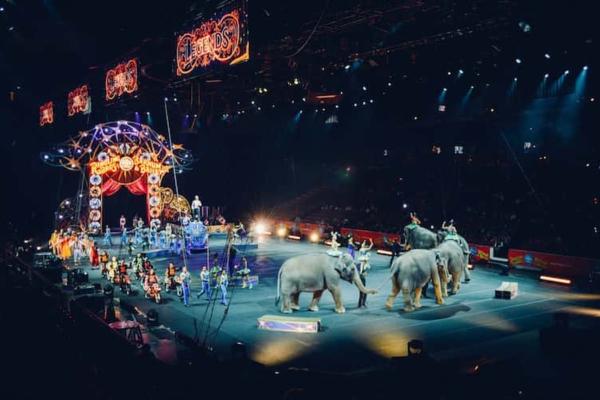
This is one of the examples where humans often do not perceive animal suffering. It was proven that behind circus acts with animals, especially wild ones, there is mistreatment and suffering generated by trainers and caretakers. Whips, metal rods with hooked tips, electric shocks, among other instruments of torture, are used on animals to make them obey orders in exchange for food. Lions, tigers, bears, elephants, zebras, etc., are deprived of natural life to face conditions of confinement and violence where they must execute movements and acquire postures that are completely abnormal for their condition.
Abandonment
This encompasses abandonment both far from home and within the home itself. A common type of abandonment is to move the animal away enough that it doesn’t remember how to get home. Another is that their freedom is limited with chains or in very small and overcrowded spaces, without food, clean water or a roof to protect them from the weather.
dog breeding
A large part of society invites people to adopt dogs instead of buying. This thought arose after the revelation of the cruel dog breeding business, where breeding females live in deplorable conditions and their health is pushed to extreme limits. Most of the kennels are unhealthy and the dogs lack basic care such as veterinarians, food, water and places to dispose of their needs. Puppies are very prone to diseases and when separated from their mothers at an early age, they suffer fear, insecurity and numerous behavioral problems.
Irresponsible accumulation of animals
This sometimes comes from people with good intentions to save stray, injured or abused creatures. The problem is that they house more animals than their economic possibilities can allow. It is a complex situation where issues such as the mental health of the person, animal and human well-being and public safety come into play. Dogs from associations and homes must be part of a series of guidelines where both people and animals coexist in a healthy environment, with trained personnel for any eventuality and with the possibility of being able to offer all animals adequate care where their most basic needs are covered. This also applies to homes whose owners have a large number of animals (according to the laws of each region), since the proliferation of diseases, parasites, odors, noise and other issues can disturb and endanger nearby inhabitants.
Slaughterhouses
“If slaughterhouses had glass walls, everyone would be vegetarian.” It is a popular phrase that is related to this section. Many farms are in deplorable conditions and animals have short lives in very small, dirty cages. You don’t need to see images. Contrary to the rules of safety, hygiene and dignified death for the animal, in slaughterhouses chickens, pigs, cows, ducks and other animals destined for human consumption are beaten and mutilated while still alive.
Humanize animals
Dogs feel and act very differently from humans. They do not rely on emotion to carry out their functions and activities and they do not carry out deep analysis of situations. They rely on their instinct, their senses, immediate stimuli and their memory to act, so any human act can have a negative impact on their behavior. A dog that lives like a human tends to be obese, aggressive, or extremely shy and insecure. He fails to develop his canine capabilities and can be injured or intoxicated due to the insistence of his owners to comb his hair, place accessories on him, carry him in bags, dress him in tight clothing and even use perfume and make-up on him.
Other types of abuse
Other examples of animal abuse no less than those mentioned above are the cruel slaughter of horses for human consumption and animal racing, with Greyhound dogs being the most popular.
What can we do to avoid animal abuse?
Organizations such as PETA (People for the Ethical Treatment of Animals), Greenpeace or MUPRA (Mexico United for Respect for Animals), among others, emphasize the importance of reporting any illegal act against animal integrity. It is important to have local wildlife rescue and protection numbers on hand to report any case of abuse or aggression to species of any type.
Education towards minors, mainly, is a key piece to making adults with empathy, respect and responsibility towards animals. Educating them to prevent them from using them as a form of entertainment or cruel fun has a lot of value for society. Understanding that an animal requires care, attention and adequate nutrition is essential before welcoming one of them into our home. Accepting that you do not have the time, patience and economic resources to support them is a responsible human act that prevents animal suffering.
Currently, veganism is gaining power among the world’s population as a way to avoid animal suffering. Some define veganism as a lifestyle that seeks to definitively exclude all forms of exploitation and cruelty towards animals for obtaining food, clothing or any other purpose.
If you want to read more articles similar to Animal abuse: causes, types and how to avoid it, we recommend that you enter our Environmental Policy category.
Tips
- 11/20/2025Irene. Metadecription, H2 in question format, improved size photos and links.
- RSPCA. Our role in enforcing the law. Available at: https://www.rspca.org.au/animal-cruelty/what-animal-cruelty
- ASPCA. Investigations and Rescue. Animal Cruelty. Available at: https://www.aspca.org/investigations-rescue
- PATA Latino. Abuse of animals and abuse of humans: accomplices to the crime. Available at: https://www.petalatino.com/los-animales-no-son-nuestros-para-abusar-de-ninguna-forma/maltrato-los-animales-y-maltrato-los-humanos-complices-del-delito/
- PETA Latino. The animals are not ours to use for entertainment. Cockfight. Available at: https://www.petalatino.com/los-animales-no-son-nuestros-para-usar-como-entretenimiento/pelea-de-gallos/
- Tiplady, Catherine. Animal Abuse: Helping Animals and People. CABI, 2013. Linda Merz-Perez, Kathleen M. Heide
