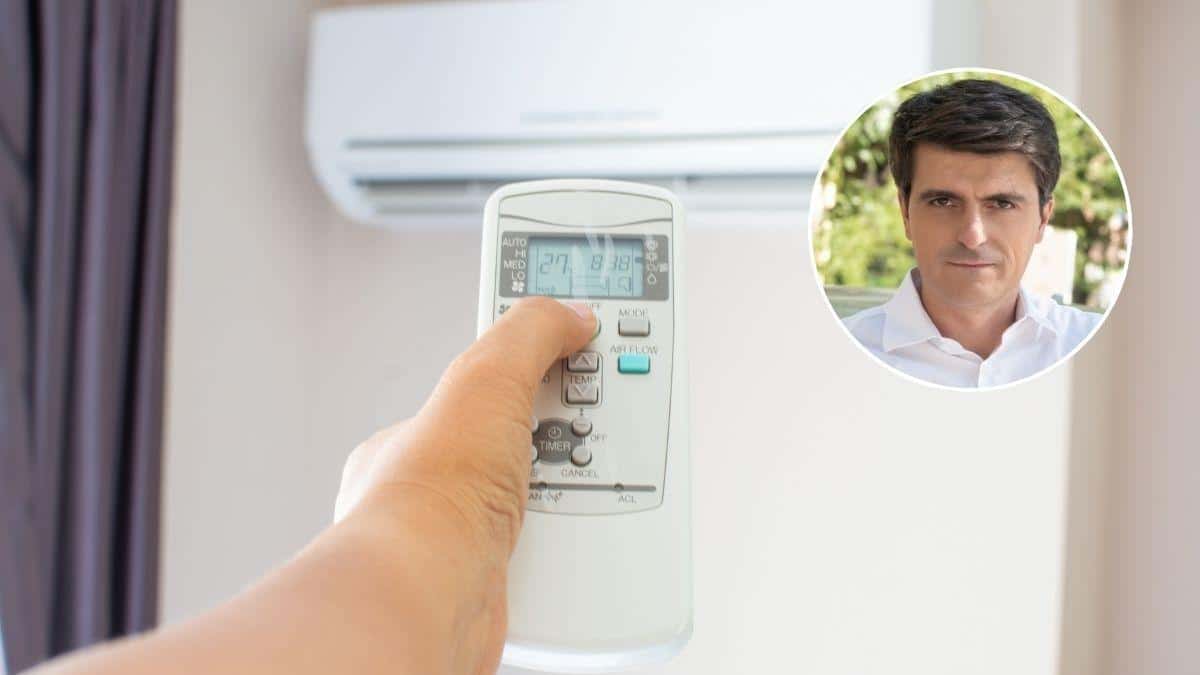
With the arrival of heat, air conditioning once again becomes one of the main protagonists in Spanish homes. Also, one of the factors that most impacts the electricity bill during the summer months.
In this context, industrial engineer and energy expert Jorge Morales de Labra has issued a clear warning about a very common gesture: lowering the temperature of the air conditioning too much.
During a recent intervention in a COPE program, Morales was blunt about it: “Every degree we lower the air conditioning is 7% more on the bill,” a statement that has gone viral due to its direct impact and its ease of understanding the effect of energy consumption in the home.
The direct impact on the bill: 7% for each degree
The key to this warning is how the air conditioning system works. The lower the temperature selected, the greater the effort the appliance must make to keep the environment cold.
This translates into a progressive increase in electrical consumption. It is not the same to keep a home at 24 degrees as it is at 21 or 20. That difference, seemingly small, can become a notable increase in energy expenditure.
Morales himself insists on the idea that consumption does not grow linearly, but rather cumulatively: each extra degree of intensive cooling implies a continuous effort on the system for hours.
In periods of heat waves, when the air conditioning runs for much of the day, this effect is multiplied.
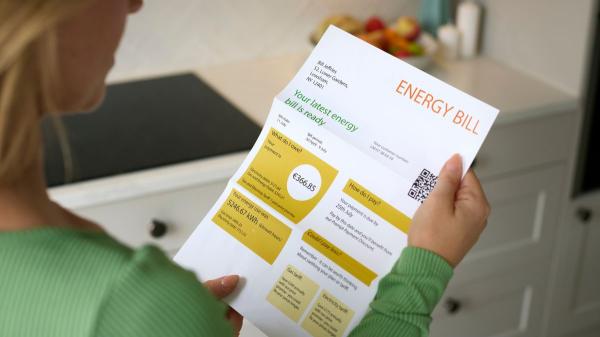
The most common mistake: thinking that it cools faster if the temperature is lowered further
One of the most widespread mistakes is believing that setting the air conditioning to 18 or 20 degrees will make the house cool down faster.
However, the operation of the system does not depend on that initial setting. The air conditioning cools at practically the same speed, regardless of the selected temperature.
The difference is in the operating time: the lower the target temperature, the more time the device needs to reach it… or try to reach it.
This not only increases energy consumption, but can also reduce the efficiency of the system in the long term.
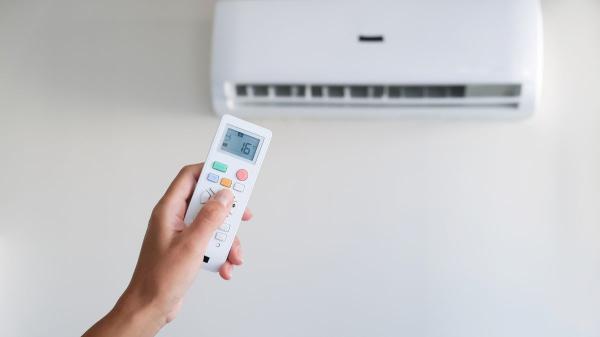
The recommended temperature to save energy
The recommendation of experts, including Morales, is to keep the air conditioning around 23 degrees.
This temperature is usually sufficient to guarantee thermal comfort in most homes without increasing electricity consumption.
In addition, it allows the contrast between interior and exterior to be reduced, something that also influences the feeling of well-being and avoids sudden changes in temperature when going outside.
In the expert’s own words, the problem is not using air conditioning, but rather using it inefficiently.
How to reduce consumption without losing comfort
Beyond adjusting the thermostat, there are habits that can help reduce energy consumption significantly.
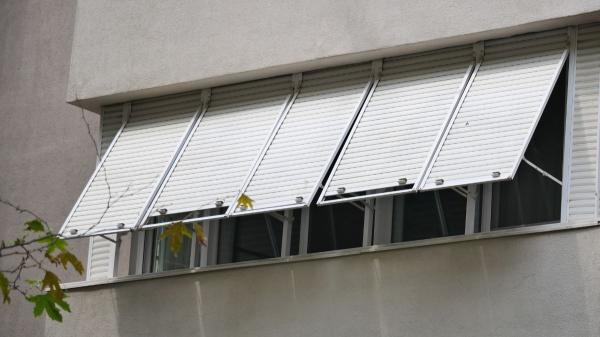
One of the most effective measures is to avoid direct entry of heat into the home during the middle hours of the day. Lowering blinds, closing curtains or using awnings can significantly reduce the indoor temperature.
It is also advisable to ventilate the house in the cooler hours, such as at night or first thing in the morning, when the outside air helps cool the environment without electricity consumption.
Maintenance of the device is also key. An air conditioner with dirty filters loses efficiency and requires more energy to achieve the same result.
In addition, combining air conditioning with fans allows you to improve the thermal sensation, which makes it easier to raise the thermostat one or two degrees without losing comfort.
The energy impact of summer on homes
The intensive use of air conditioning in summer has a direct effect on global electricity consumption, especially during heat waves.
At these times, energy demand increases significantly, putting pressure on the electrical system and increasing consumption in millions of homes at the same time.
In this context, small individual adjustments can have a significant cumulative effect at a general level.
Morales’ warning fits precisely with this idea: energy efficiency begins in everyday gestures, such as correctly adjusting the temperature of the air conditioning.
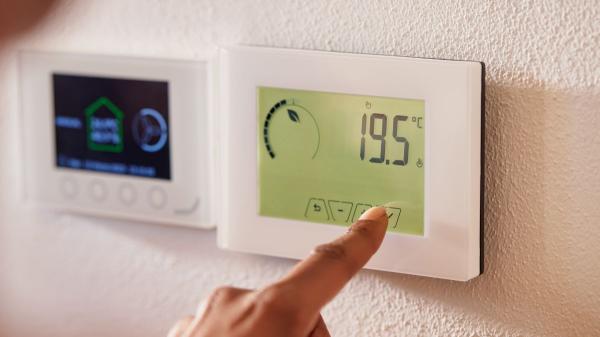
A small change with a big impact on consumption
Reducing the air conditioning temperature by a few degrees may seem like a minimal adjustment, but its impact on your bill is constant and cumulative.
The message is clear: the efficient use of air conditioning is not about giving up comfort, but about avoiding unnecessary consumption.
Or, as Jorge Morales himself summarizes: “Every degree we lower the air conditioning is 7% more on the bill.”
In an increasingly hot summer, optimizing these habits not only helps reduce energy expenditure at home, but also contributes to more responsible energy consumption.
If you want to read more articles similar to Jorge Morales, energy expert: “Every degree you lower the air conditioning increases the bill by 7%”, we recommend that you enter our Energy Savings category.
