
Summer in Spain no longer has the same duration or the same characteristics as it did a few decades ago. The increase in temperatures, the reduction in precipitation and the prolongation of hot periods are transforming the summer climate in much of the country. Meteorological records show that these trends are repeated with greater frequency and affect both the natural environment and the availability of water, agriculture and the risk of forest fires.
Understanding why summer is increasingly longer, hotter and drier is key to understanding one of the most visible effects of climate change in Spain and the consequences it may have on ecosystems, the economy and daily life in the coming years.
The reasons why summers in Spain are getting hotter
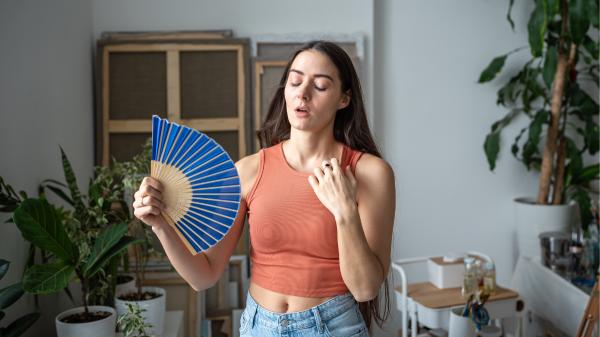
Summers in Spain today are warmer than just a few decades ago. Climate records show a sustained increase in summer temperatures since the mid-20th century, a trend that has intensified especially in recent years. This change not only translates into days with higher maximums, but also in a greater frequency of heat waves, an increase in tropical nights—when the temperature barely drops and makes it difficult to rest—and increasingly persistent episodes of extreme heat.
The main explanation is global warming. The increase in the concentration of greenhouse gases in the atmosphere causes the planet to retain more heat, raising the average temperature and making episodes of extreme heat increasingly common. As a consequence, what was an exceptional phenomenon a few decades ago is becoming a recurring situation during the summer.
Furthermore, the Iberian Peninsula is considered one of the European regions most vulnerable to climate change. Various studies indicate that the so-called thermal summer, that is, the period in which temperatures are typical of summer, has gone from lasting around two months to lasting more than three. This means that typical summer conditions start earlier, end later, and progressively shorten the length of spring and fall.
Another factor that contributes to the sensation of increasingly intense heat is the persistence of high temperatures. Not only heat peaks increase, but also the number of consecutive days with high values. This continuity prevents the soil, vegetation and cities from cooling between warm episodes, favors the accumulation of heat and aggravates its effects on health, ecosystems and water availability.
How lack of rain and extreme heat increase fire risk and damage forests
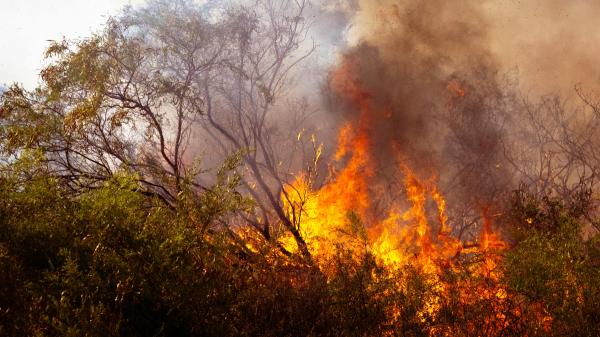
The combination of less precipitation and greater evaporation caused by heat reduces soil moisture and accelerates the drying process of vegetation. Trees remain subject to water stress for longer, which limits their growth, reduces their ability to resist pests and diseases and increases their vulnerability to extreme events.
When vegetation loses moisture, it also becomes much more flammable, increasing the risk of forest fires during much of the summer. The so-called new Iberian summer, longer, warmer and drier, also prolongs the fire danger period. If previously the greatest risk was concentrated in a few weeks, now the favorable conditions for a fire to start and spread can be maintained for several months.
The lower availability of water also affects all ecosystems. Rivers with lower flows, drier soils and forests subjected to greater stress alter the natural balance and reduce the capacity of forest spaces to adapt to new climatic conditions.
Summer lasts more and more days and shortens spring and autumn in Spain
Summer is not only characterized by higher temperatures, but also by lasting longer. An analysis prepared with data from 103 meteorological stations of the State Meteorological Agency (AEMET) shows that the period with summer temperatures has been progressively lengthening since the end of the 1970s. In some parts of Spain, the summer heat today lasts up to 20 days longer than it did a few decades ago.
The data also reflects that summer begins earlier than usual. In 2025, the first day with typically summer temperatures was recorded on average on May 29, while in other recent years it was also earlier than the usual dates decades ago. As a consequence, the heat lasts for more weeks and reduces the time that traditionally corresponded to spring and autumn.
This lengthening does not affect the entire territory equally. The greatest differences have been observed in areas of the northeastern peninsula and the Pyrenees, although cities such as Madrid or Huesca also present a notable increase in the number of days with summer temperatures. In these areas, in addition to starting earlier, the warm season lasts longer before giving way to autumn.
Measures that can help reduce the impact of climate change
Although climate change is a global challenge that requires the involvement of governments, companies and institutions, individual actions also play an important role. Reducing energy consumption, opting for more sustainable means of transport, avoiding water waste and more responsible consumption are measures that, when added together, contribute to reducing pressure on the environment.
At the same time, adaptation will become increasingly necessary. Faced with longer, hotter and drier summers, it is essential to use water efficiently, promote the conservation of natural spaces and support forest management that reduces the risk of large fires.
Information and awareness are also essential tools. Understanding how the climate is changing allows us to adopt more sustainable habits and understand that many daily decisions have a cumulative impact. From reducing the use of single-use products to improving the energy efficiency of buildings, there are numerous ways to reduce your environmental footprint without making major changes to your daily life.
If you want to read more articles similar to Summer in Spain is no longer like before: why it is getting longer, hotter and drier, we recommend that you enter our Climate Change category.
- Spanish Episcopal Conference. (sf). The new Iberian summer: longer, hotter and drier. https://social.conferenceepiscopal.es/noticias/accion-caritativa/ecologia-integral/el-nuevo-verano-iberico-mas-largo-mas-caluroso-y-mas-seco/
- State Meteorological Agency. (2025, October 9). Summer extends: how climate change extends the heat in Spain by up to 20 days. AEMET Blog. https://aemetblog.es/2025/10/09/el-verano-se-extiende-como-el-cambio-climatico-alarga-hasta-20-dias-el-calor-en-espana/
- Ministry for the Ecological Transition and the Demographic Challenge. (2025). The summer of 2025 was the warmest in the historical series. https://www.miteco.gob.es/es/prensa/ultimas-noticias/2025/septiembre/el-verano-de-2025-fue-el-mas-calido-de-la-serie-historica-.html
