
The European Union has tightened the regulations on refrigerant gases used in refrigerators and air conditioning systems with the aim of reducing their climate impact. These substances, although less visible than other industrial emissions, have a high global warming potential.
Environmental scientist Germán Portillo values the measure positively from an environmental point of view. However, he warns that the technological transition will have an economic cost. As he explains, many of the necessary adaptations will end up having an impact on the final consumer. A necessary transformation, but not exempt from debate.
The European Union tightens rules on refrigerant gases: what exactly changes
The European Union continues to advance its strategy to reduce polluting emissions with new restrictions on refrigerant gases used in refrigerators, air conditioning equipment and other air conditioning systems. The objective is to progressively reduce the use of certain fluorinated gases, known for their high global warming potential, and promote more sustainable alternatives.
These measures affect both manufacturers, installers and maintenance companies, which will have to adapt to new technical requirements and alternative refrigerants. Although the purpose is environmental, the debate on the economic impact of this transition is still open.
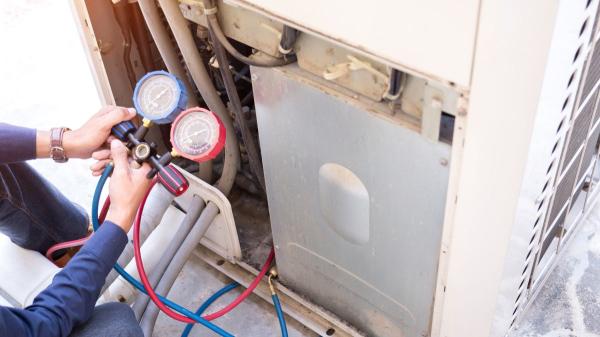
“It helps the environment, but it has a cost”: the assessment of Germán Portillo
Environmental scientist Germán Portillo considers any initiative aimed at reducing the environmental impact of human activity positive, although he warns that these transformations usually have economic consequences that end up reaching the consumer.
“Anything that is a law that helps protect the environment is welcome,” he says. However, he adds that “the energy transition laws are directly affecting the consumer more, because all the limitations on companies translate into increased costs that we consumers end up paying.”
In his opinion, the main challenge is to find a balance between environmental protection and the adaptation capacity of the different economic sectors affected by the regulations.
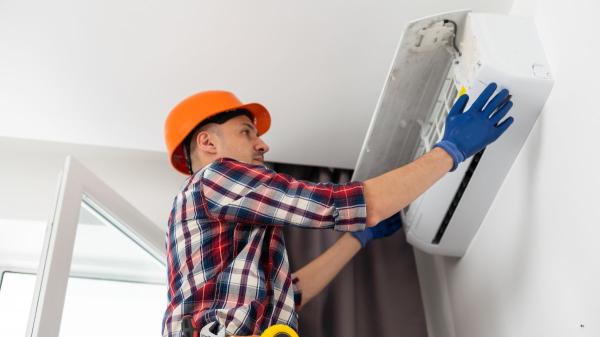
Why are these gases of concern if they are not the main source of emissions?
Although refrigerant gases do not generate the same volume of emissions as other sectors, experts have been warning for years about their ability to contribute to global warming when leaks occur.
Portillo recalls that “refrigerant gas emissions are not the most dangerous if we compare them with those emitted in transportation and industry, which is where emphasis should really be placed.”
However, he also emphasizes that these compounds have a characteristic that makes them a relevant problem: “These refrigerant gases have an extremely high warming potential, so a leak can have a considerable impact.”
For this reason, the European Union considers it a priority to limit its use and accelerate the implementation of alternatives with less climate impact.
The problem that goes unnoticed: leaks from cooling systems
One of the most important aspects of the regulations is the reinforcement of controls on installations and equipment to avoid accidental losses of refrigerant.
As Portillo explains, reducing leaks can generate significant environmental benefits. “Reducing leaks, stricter control of facilities and the progressive replacement of certain fluorinated gases used in refrigerators and other appliances can help reduce emissions that, although they often go unnoticed, have an important effect on global warming.”
The specialist also highlights that the massive presence of cooling systems makes the accumulated impact greater than many people imagine.
“Taking into account that today almost all people have air conditioning, there is air conditioning in supermarkets, shopping centers, cold rooms in industries, etc., everything adds up to a greater impact,” he points out.
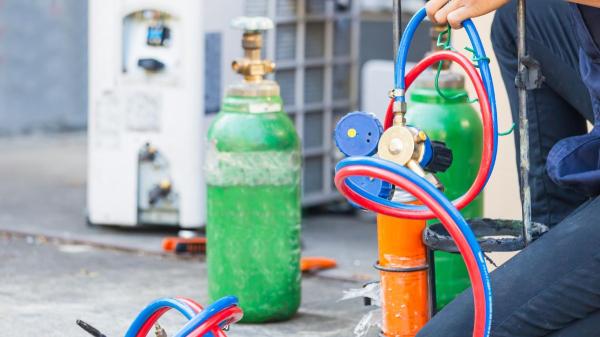
Substitutes for fluorinated gases that are gaining ground
The transition promoted by Brussels is favoring the development and implementation of new refrigerants with lower global warming potential.
Among the options that are gaining more prominence are the so-called natural refrigerants. “CO₂, propane or ammonia are increasingly taking center stage, especially in industrial and commercial facilities,” explains Portillo.
Along with them, different low GWP (Global Warming Potential) alternatives are also growing, designed to reduce the climate impact of refrigeration and air conditioning systems.
The pending challenge of European regulations
Although he positively values the direction taken by the European Union, Portillo considers that there are still aspects that should be reinforced to facilitate a more balanced transition.
“The regulations try to move in one direction, but there are quite a few problems,” he says. Among them, he mentions the need to help professionals in the sector adapt to new demands.
“Many professionals and small businesses need training and resources to work with new technologies and alternative refrigerants,” he explains.
Likewise, he believes that monitoring of older equipment should be intensified to minimize the risk of leaks and improve the efficiency of existing facilities.
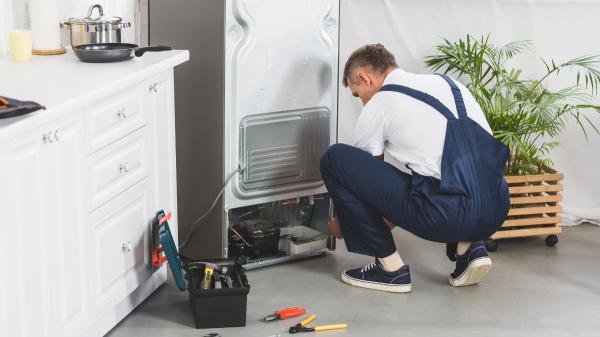
Will this regulation affect the price of refrigerators and air conditioners?
The question that most worries many consumers is whether these measures will end up having an impact on the price of refrigeration and air conditioning equipment.
Portillo considers that this possibility exists if companies must assume significant investments to adapt to new technical requirements without receiving sufficient support.
“The laws should have a margin or subsidy or some type of help for companies to adapt to this change,” he maintains. Otherwise, he warns, “almost all cost increases related to new technologies end up being paid by the citizen.”
For this reason, the environmentalologist defends that environmental policies must be accompanied by mechanisms that facilitate the transition for both companies and consumers.
A necessary transition, but with challenges to resolve
The new European regulations on refrigerant gases seek to reduce emissions with a high global warming potential and accelerate the adoption of more sustainable technologies. For Germán Portillo, this is a positive measure from an environmental point of view, but it also poses economic and adaptation challenges for the sector.
“Anything that is a law that helps protect the environment is welcome,” he summarizes. The challenge now will be to ensure that this transition occurs effectively without transferring all the economic weight to citizens and small businesses.
Ecology Green invites all its readers to add the header as a preferred source on Google and continue enjoying rigorous, close and up-to-date information. Add Green Ecology as a preferred source on Google here.
If you want to read more articles similar to Germán Portillo, environmentalist: “European regulations on refrigerant gases help the environment, but entail a cost for citizens”, we recommend that you enter our Pollution category.
