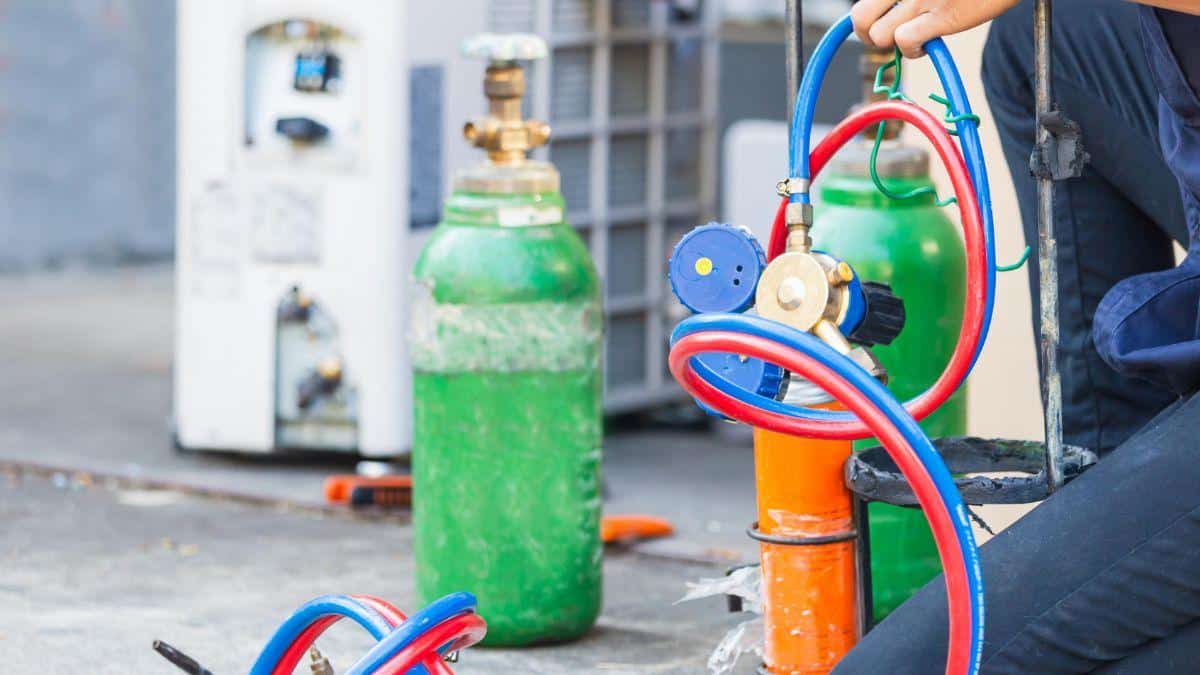
The European Union has approved a new regulation on refrigerant gases that will affect air conditioning and refrigeration systems in the coming years. The regulations establish progressive restrictions on certain compounds used in air conditioners and refrigerators, with the aim of reducing their environmental impact. These changes will influence the manufacturing and marketing of new equipment, as well as the evolution of the market in Europe.
In this Evidence Network article we are going to update you and see what this new European regulation affects.
The gases that Europe wants to eliminate and why they are of concern
The European Union has focused on fluorinated gases used in refrigeration and air conditioning systems due to their high global warming potential. Among those most affected by the new regulations are hydrofluorocarbons (HFC), a family of refrigerants widely used in recent decades in refrigerators, freezers, heat pumps and domestic and industrial air conditioning equipment.
Although these gases do not damage the ozone layer as occurred with old refrigerants, they do contribute significantly to the greenhouse effect when they are released into the atmosphere. Some of them have a warming capacity thousands of times greater than that of carbon dioxide (CO₂), which has led Brussels to accelerate their progressive elimination.
Among the best-known refrigerants that will gradually disappear from the market are R-134a, R-404A, R-410A and other high global warming potential HFCs. The ban does not imply that all these gases will stop being used immediately, but rather that their marketing and use in new equipment will be restricted through a staggered schedule that will extend over the coming years.
As an alternative, manufacturers are betting on refrigerants considered more sustainable, such as propane (R-290), carbon dioxide (R-744) or certain new generation mixtures with a much lower climate impact. These gases will be increasingly common in household appliances and air conditioning systems that reach the European market.
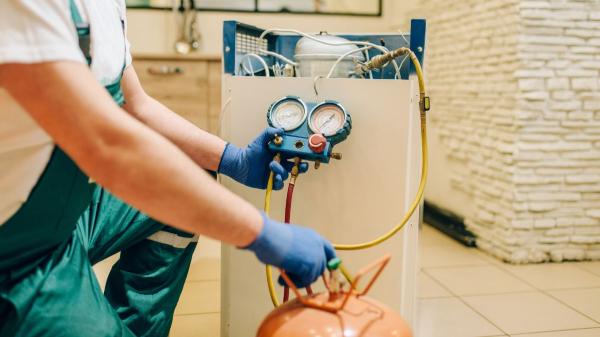
What will change when you buy a new refrigerator or air conditioner
The new European regulations will progressively change the way in which consumers buy refrigerators and air conditioners. As restrictions on certain refrigerant gases come into force, manufacturers will have to adapt their products to new, more sustainable technologies.
One of the first changes will affect domestic refrigerators and freezers. From 2026, new models that use certain fluorinated gases will no longer be sold, while manufacturers are already working on alternatives based on refrigerants such as propane, ammonia or carbon dioxide.
In the case of air conditioners, the market will also transform over the coming years. The European Union has set 2029 as one of the key dates to stop marketing many small pieces of equipment that use gases with a high polluting potential, including the well-known R-32, currently present in numerous air conditioning and aerothermal systems.
For consumers, this means that there will be fewer and fewer new models with traditional refrigerants and, instead, there will be more equipment designed to operate with gases considered more environmentally friendly.
The most frequent question: should current equipment be replaced?
The new European regulations do not oblige homeowners to replace the air conditioners or refrigerators that they already have installed in their homes. Current equipment can continue to be used normally once the new restrictions come into force.
The changes approved by Brussels are aimed mainly at the marketing of new devices and the progressive reduction of certain refrigerant gases with a high global warming potential. Therefore, those who have a working HVAC system will not have to replace it immediately.
However, the situation may be different when the equipment needs repair or refrigerant recharge. As restrictions on some fluorinated gases progress, their availability on the market will be lower, which could make certain maintenance interventions more expensive.
For this reason, although there is no obligation to change a device that is working properly, many consumers will end up opting for more modern models when the time comes to renew their equipment.
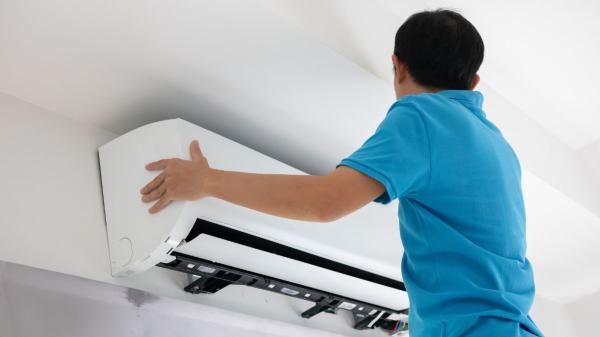
How to prepare for the changes in refrigerant gases that will arrive in the coming years
Although the new European regulations do not require the immediate replacement of equipment that is already installed, it is advisable to start preparing for the changes that will come in the coming years.
One of the most recommended steps is to check the technical label of the air conditioner or refrigerator to identify what type of refrigerant gas it uses. Knowing this information allows us to know if the device depends on any of the compounds that will have more restrictions in the future.
It is also advisable to pay attention to the general condition of the equipment. If the appliance has lost efficiency, consumes more energy than usual or suffers frequent breakdowns, it may be a good time to start considering a future renovation.
The main reason is that repairs could become complicated over time. The progressive reduction of certain refrigerant gases will make refills and some components increasingly difficult to find and more expensive, which may make fixing old equipment no longer profitable.
Ecology Green invites all its readers to add the header as a preferred source on Google and continue enjoying rigorous, close and up-to-date information. Add Green Ecology as a preferred source on Google here.
If you want to read more articles similar to Europe puts an end to traditional refrigerants: current air conditioners and refrigerators have an expiration date, we recommend that you enter our Pollution category.
