
The air fryer and the ceramic hob are two of the most used cooking systems in homes. However, their electricity consumption is not the same, which can influence the amount of the electricity bill. Understanding how much each person spends and in what situations it is most efficient can help make better decisions in the kitchen and optimize energy consumption without giving up comfort or the variety of recipes.
Although both appliances perform similar functions, their way of generating and maintaining heat is different, which affects their efficiency. The air fryer stands out for its speed and shorter use time, while the ceramic hob offers greater versatility for cooking different types of dishes. Furthermore, the actual cost does not depend only on the power of the appliance, but also on the cooking time and the use made on a daily basis. Therefore, two homes with the same appliances can have very different consumption. In this context, comparing both systems can be key to identifying more efficient consumption habits and achieving significant savings on the electricity bill in the long term.
The ceramic hob: the appliance that consumes the most energy in the kitchen
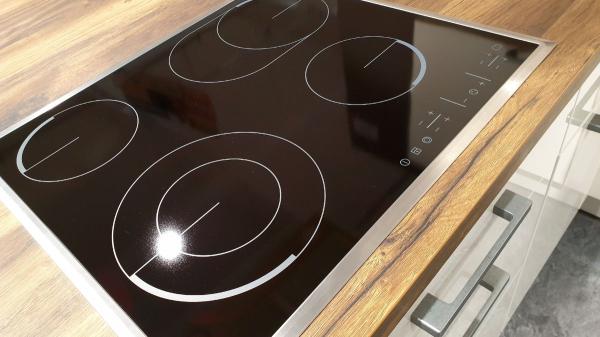
The ceramic hob is one of the appliances that consumes the most energy in the kitchen. According to data from the Institute for Energy Diversification and Saving (IDAE), a ceramic hob can reach a maximum consumption of 2,500 W per hour of use. Furthermore, its annual cost can be around 900 kWh, depending on the frequency with which it is used.
However, actual consumption varies depending on several factors, such as the model, the power selected, the number of burners used at the same time and the cooking time. For this reason, two homes with a similar ceramic hob can record very different consumption.
The way of use also influences. Taking advantage of the residual heat by turning off the hob a few minutes before finishing cooking, using containers of the appropriate size for each cooking zone and keeping the surface clean are practices that can help reduce energy expenditure.
Air fryer: how much it consumes and why it can help you save
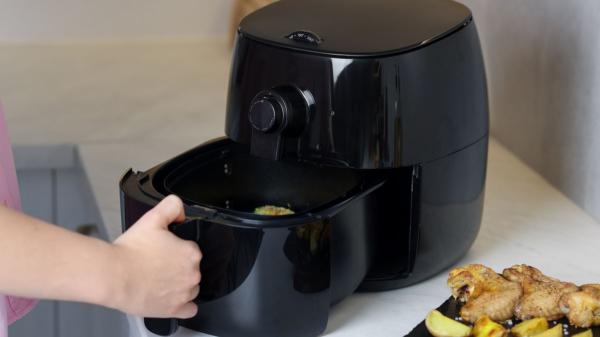
The air fryer has become one of the most popular household appliances in recent years, in part because of its ability to cook with less oil and its energy efficiency. The consumption of an air fryer is usually between 1,400 and 1,700 watts per hour.
However, in practice it is unusual to use this device for a full hour. Most preparations require around 30 minutes of operation, which translates into a consumption of approximately 0.85 kWh per use.
The actual expense will depend on factors such as the power of the model, the cooking time and the electricity price contracted in each home. Therefore, as is the case with the vitro, even if two people use a similar air fryer, the impact on the electricity bill may be different.
In any case, its energy consumption is usually lower than other common electric cooking systems, which explains why many people consider it an interesting alternative to prepare meals quickly and efficiently.
Air fryer vs ceramic hob: how each consumption affects your electricity bill
The difference in consumption between an air fryer and a ceramic hob is also reflected in the electricity bill. Using the consumption data mentioned above, an air fryer usually generates an approximate cost of 2.5 euros per month when used regularly, with consumption ranging between 0.7 and 0.85 kWh for every half hour of operation. Furthermore, a full hour of use can cost close to 0.09 euros, although the exact figure will depend on the price of the contracted kWh.
In the case of glass-ceramics, the economic impact is considerably greater. Taking as a reference a use of one hour per day and an electricity price of €0.30/kWh, the annual expense can reach around 250 euros. This difference is due to the fact that the ceramic hob works with higher powers and usually remains on for longer to complete the cooking.
Therefore, although both appliances consume a lot of electricity, the air fryer usually has a much smaller impact on the electricity bill. In the long term, this difference can translate into significant savings, especially in households that cook daily and use these appliances frequently.
What is best to have at home?
If the objective is to reduce electricity consumption and save on the electricity bill, the air fryer has an advantage over the ceramic hob. This appliance uses an approximate power of 1.4 kW, while a ceramic hob can consume between 1.5 and 2 kW, in addition to registering a much higher annual cost.
However, the choice should not be based solely on energy consumption. The ceramic hob continues to be a more versatile tool for many culinary preparations and allows you to cook a greater variety of dishes. For its part, the air fryer stands out for its efficiency, its ease of use and the possibility of preparing food using less or no oil.
It is also important to take into account the type of recipes that are usually prepared. For small amounts of food or quick preparations, the air fryer is usually more energy efficient. On the other hand, to cook several foods at the same time or make recipes that require the use of pots and pans, the ceramic hob continues to be a practical option.
In short, if you want to minimize electricity costs, the air fryer is the most favorable alternative. However, both appliances can complement each other perfectly in the kitchen, taking advantage of the advantages of each one depending on the type of preparation to be made.
If you want to read more articles similar to Air fryer or ceramic hob: which one is making your electricity bill go up the most, we recommend that you enter our Energy Savings category.
