
With the arrival of summer and the increase in heat waves, maintaining a comfortable temperature at home becomes a challenge for millions of people. Although air conditioning is an effective solution, not all families have one nor can they afford the increase in electricity consumption that its continued use entails. Fortunately, there are simple and economical strategies that help reduce heat inside homes.
According to Germán Portillo, environmentalist, much of the problem depends on the characteristics of each home and how we manage ventilation and heat input. Applying some basic measures can make a noticeable difference in thermal comfort during the warmer months.
Why some homes get hotter than others
Not all houses respond the same to high temperatures. While some manage to maintain a relatively cool environment for much of the day, others become real ovens even when the outside temperature is not extreme.
Environmentalologist Germán Portillo points out that the main causes are usually related to the design of the home. “Mainly by a combination of orientation, insulation, ventilation and sun exposure,” he explains. Furthermore, he adds that “homes with large glass surfaces without solar protection, poor cross ventilation or little thermal mass tend to overheat more.”
Location also plays a role. Living on a top floor usually means greater exposure to the heat accumulated on the roof, while the presence of trees, shade or nearby buildings can help reduce the interior temperature.
Adding to this problem is the current climate context. The environmentalist warns that “the increase in average temperatures and the greater frequency of heat waves cause homes to accumulate more heat for more days in a row.” As a consequence, the nights are less effective in cooling homes and it is increasingly difficult to recover thermal comfort.

The key is to prevent heat from entering the home
When it comes to combating the heat without air conditioning, many people focus their efforts on trying to expel the heat once it is inside the home. However, experts agree that the most effective strategy is to prevent it from entering in the first place.
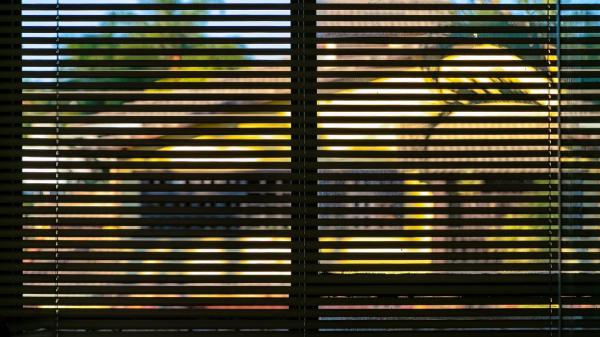
“The most effective is usually to block solar radiation during the day using blinds, awnings or thermal curtains,” says Portillo. Solar radiation passing through windows can quickly raise the temperature of a room, especially in south and west orientations.
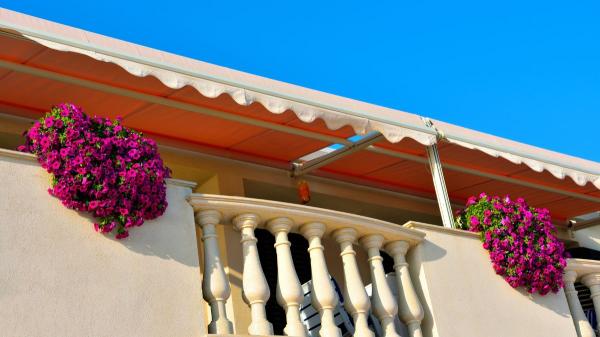
For this reason, lowering the blinds during the hours of maximum sunshine is one of the most recommended measures. Exterior awnings also help to significantly reduce the amount of heat that reaches the interior, as they stop radiation before it reaches the glass.
The colors of the home also play an important role. “Light colors reflect more solar radiation and reduce heat absorption, especially on exposed roofs and facades,” explains the environmentalist. On the contrary, dark surfaces absorb more energy and contribute to raising the temperature.
Another fundamental aspect is thermal insulation. Although many people associate it only with winter, it is also essential during the summer. According to Portillo, “good insulation reduces heat entry and delays its transmission to the interior.” This allows more stable temperatures to be maintained and reduce dependence on air conditioning systems.
How to ventilate correctly during a heat wave
Ventilation is one of the most effective tools for cooling a home, but only if it is done at the right time. Opening windows when the outside air is warmer than the inside can have the opposite effect than desired.
Portillo recommends a simple rule: “Open when the outside temperature is lower than the inside temperature and close when the outside temperature exceeds the inside temperature.” In practice, this usually means taking advantage of the night and early morning hours to renew the air in the home.
The so-called cross ventilation is especially effective. It consists of opening windows located on opposite sides of the home to promote air circulation and accelerate the evacuation of heat accumulated during the day.
The expert warns that many people make mistakes that make the situation worse. Among the most frequent are “ventilate during times of maximum heat” or keep the windows open throughout the afternoon thinking that this way the home will cool down faster.
In addition to ventilation, it is worth paying attention to appliances that generate heat. Using the oven, dryer or even iron during the middle of the day generates additional heat inside the home. Whenever possible, it is preferable to use these devices at night or first thing in the morning.
Trees, greenery and cooler cities
The presence of vegetation not only improves the appearance of streets and gardens, but also helps combat the heat. Trees provide shade and reduce the temperature of the environment thanks to the process of evapotranspiration.
“They provide shade, reduce the temperature of the environment and help reduce the heat island effect,” says Portillo. This phenomenon is especially important in large cities.
The so-called urban heat island effect causes temperatures to be higher in urban centers than in nearby rural areas. Asphalt, concrete, and buildings accumulate heat during the day and slowly release it at night.
As the environmentalist explains, this “increases thermal stress and makes the nights warmer, making thermal recovery difficult.” Therefore, increasing green areas and shaded spaces has become one of the main adaptation strategies to extreme heat.
For those with a limited budget, Portillo recommends focusing on simple but effective measures: controlling the direct entry of the sun through blinds or awnings, taking advantage of night ventilation, avoiding generating unnecessary heat inside the house and improving window sealing whenever possible. They are affordable actions that, combined, can help keep a home much cooler during the summer without having to resort to air conditioning.
If you want to read more articles similar to “Blocking solar radiation during the day is the most effective”: Germán Portillo, environmentalist, explains how to keep the house cool without air conditioning, we recommend that you enter our Energy Savings category.
