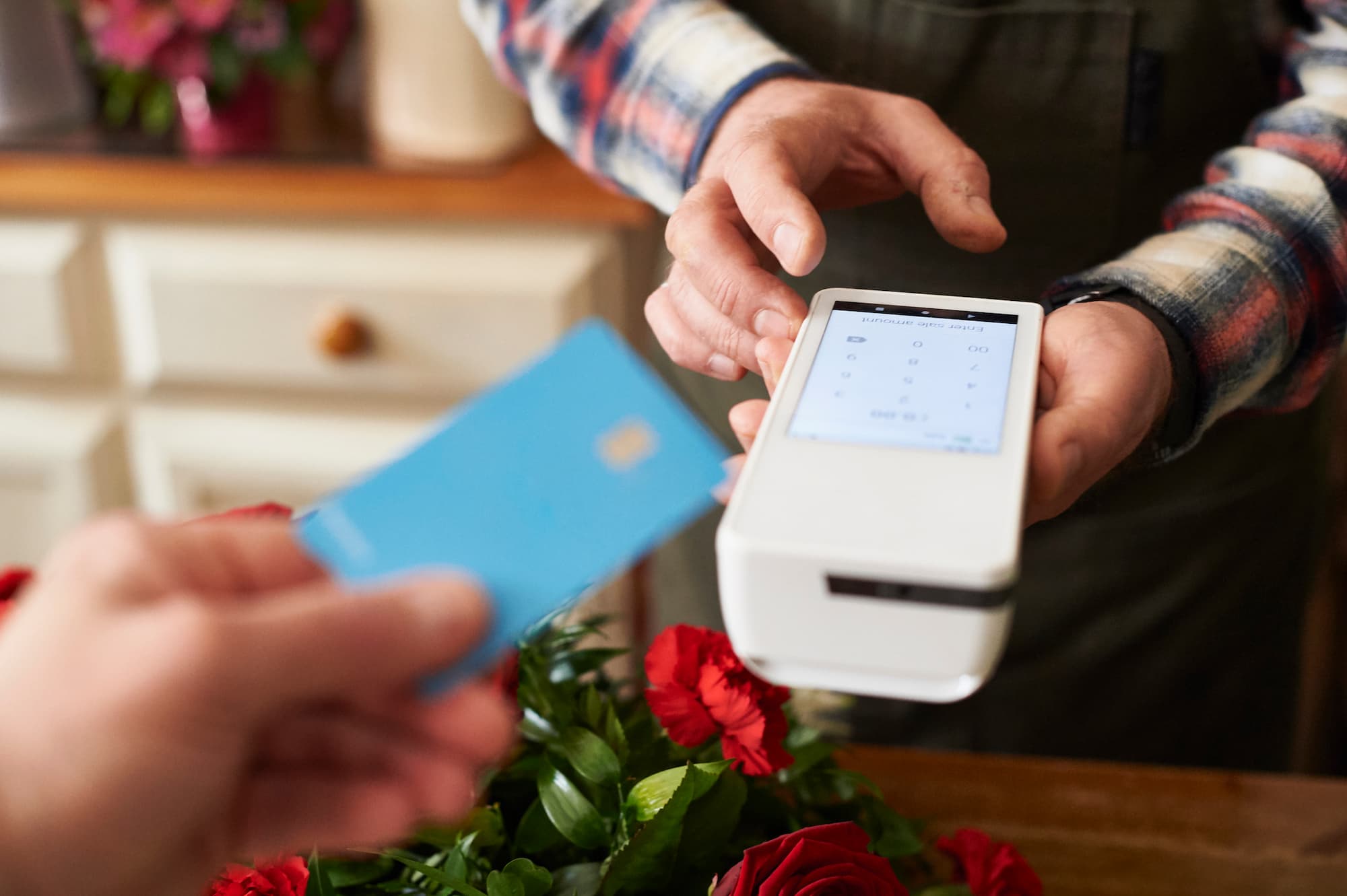
The new European electronic payments circuit is coming: from now on we will be able to send money and pay abroad without going through the American giants.
When we pay by card at a restaurant, buy something online or hold our smartphone close to the POS, we rarely ask ourselves which path our money is really traveling on. Very often that road passes through international circuits such as Visa and Mastercard, two US companies that connect the customer’s bank with that of the shopkeeper, authorizing the operation and allowing the payment to be completed.
However, in Europe there are numerous national systems, from our ATM to the Spanish Bizum, which work very well in your own country but much less, or not at all, as soon as you cross a border. It is precisely this limit that the European Network for Payments (ENP), born from the alliance between BANCOMAT, Bizum, EPI/Wero, SIBS-MB WAY and Vipps MobilePay, wants to overcome. Together, these systems already reach around 130 million people in 13 European countries.
A single bridge
ENP will not be a new “European Visa” with its own card, brand and application. The idea is instead to build a common infrastructure capable of communicating systems that today speak different languages. An Italian who uses ATM and a Spaniard who uses Bizum will therefore continue to use their respective apps on their phone, but behind the scenes a central hub will recognize the payment request and route it to the system correctly.
The first phase will mainly concern money transfers between people; online purchases and payments in stores will then arrive. The mechanism has already been tested in April 2026 by BANCOMAT, Wero and MB WAY, allowing users of different systems to pay abroad via QR code. In the future the goal is to also reach contactless payments via NFC, the same technology that today allows you to bring a card or smartphone close to the POS.
Because it’s needed
The difference compared to Visa and Mastercard lies above all in the structure. The two American giants are international card circuits: they establish common rules and act as the infrastructure between those who issue the card and those who receive the payment. ENP was created by connecting European services that can exploit instant transfers directly between bank accounts, reducing the number of intermediaries.
The issue is not just economic. According to the ECB, around two-thirds of card transactions in the euro area are now governed by the rules of international companies and 13 euro area countries are completely dependent on non-European circuits. It means that an essential part of the Union’s daily payments relies on external infrastructure. Creating a continental alternative should therefore increase competition and resilience, while reducing a dependence considered increasingly relevant also from a strategic point of view.
Visa and Mastercard, however, will not disappear: at least for many years the systems are likely to coexist.
What will change
It will be a revolution, it’s true, but for citizens it could be almost invisible, and this is precisely one of the most interesting aspects. There is no plan, at least initially, for a new “ENP app”: each system will retain its own name and interface. An Italian could therefore continue to use ATMs on their phone and, progressively, send money to those who use Bizum in Spain or Wero in Germany, buy on foreign sites and pay in participating stores without necessarily having to use American services.
The digital euro will instead be something different: not a payment circuit, but electronic money issued directly by the ECB, a digital equivalent of banknotes and distinct from the balance deposited at a commercial bank. However, the two initiatives will be able to integrate, because the ECB is working on standards that allow the digital euro and European private systems to coexist in the same electronic wallet or on the same card. The times, however, will be longer: after the approval of the European rules, the ECB foresees a pilot phase from the second half of 2027 and a possible issuance of the digital euro from 2029.
