With the end of the rainy season, India prepares for the period dedicated to religious holidays and weddings, during which many traditional sweets are offered and consumed. This year, however, the country has to deal with a shortage of sugar which results not only in the increase in prices of raw materials and sweets, but also serious problems with fuel. Let’s try to understand why.
Dry plantations
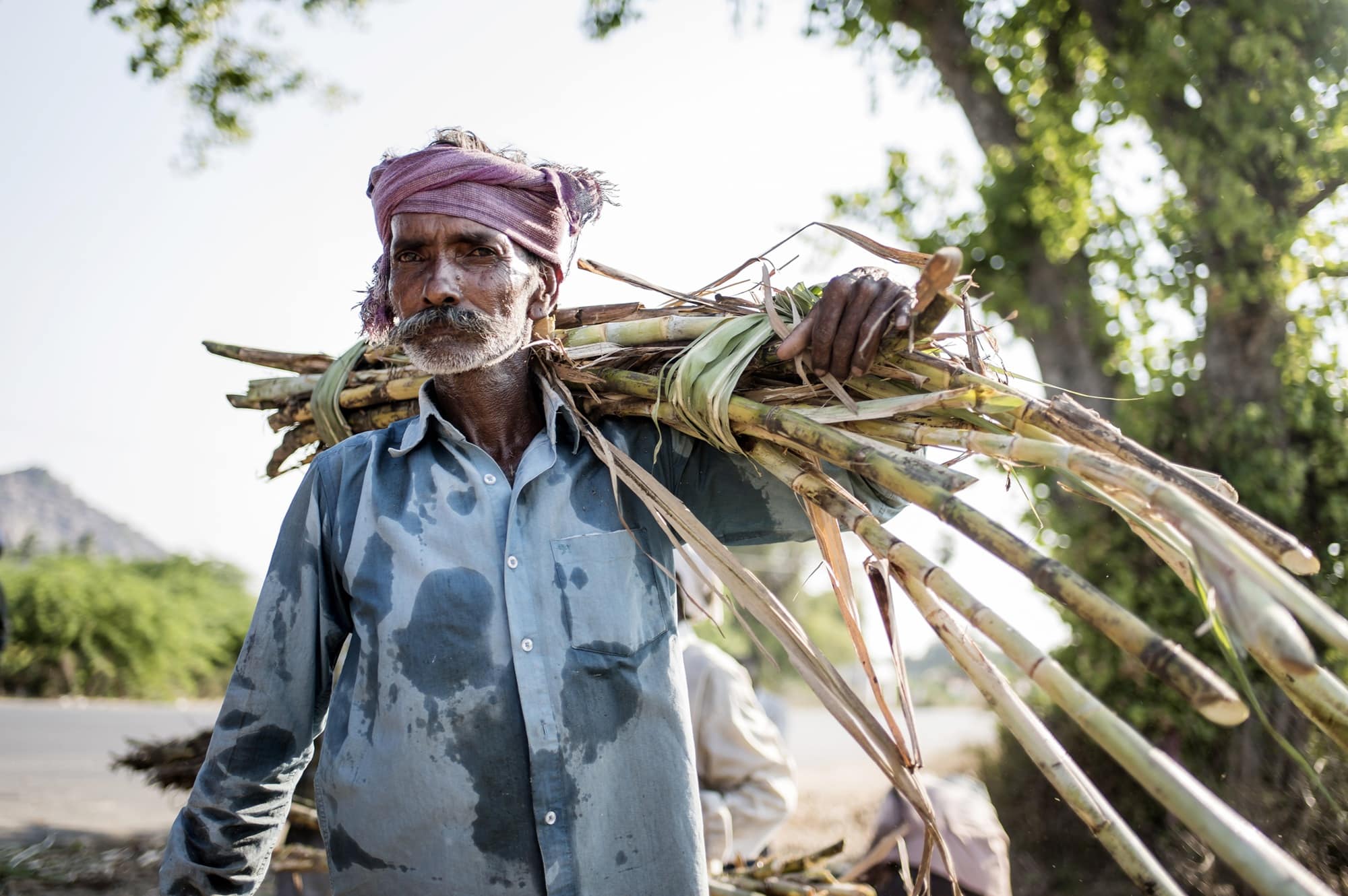
India is the number one country in the world for sugar consumption and number two for production. This year, however, thanks to the drought caused by El Niño Godzilla, many sugar cane plantations remained dry and did not yield as much as expected, forcing the government to open up to imports.
To understand the gravity of the situation, just read the story of Morarji Patil, a thirty-year-old Indian owner of sugar cane plantations in the Marathwada region, who tried to take his own life by swallowing insecticide. “I felt overwhelmed,” he told al New York Times.
Not just India
Forecasts of a poor harvest (Patil estimates that the canes will be 70% lower than normal) have caused the price of sugar to rise around the world, marking a +14.7% increase in September compared to 2025.
In fact, India is not the only producing country in difficulty: in Brazil, the world’s number one sugar exporter, heavy rains are slowing down the harvest and processing of cane; in Europe less sugar beet is expected, because smaller areas have been cultivated and the weather has been unfavorable; in Thailand the drought that hit the north-east, the region that produces almost half of the country’s sugar, could cause production to drop by at least 17%.
Chain reaction
In India the consequences of a shortage of sugar do not only fall on producers and lovers of sweets and ice cream, but also on fuel: since last April, according to a government directive, the petrol sold in petrol stations is made up of 20% ethanol produced from sugar cane (as well as from corn and rice, whose crops are equally affected by heat and drought).
Now that the raw material is in short supply, the government will have to choose how much cane to allocate to ethanol and how much to sugar: reducing the share of ethanol in petrol would leave more sugar on the market, but would force India to import more oil, just as tensions in the Middle East have increased its price.
