
The return of the bear and the wolf to different areas of the Pyrenees reopens one of the great debates in the mountains: how to protect biodiversity without harming rural activity. Livestock farmers and beekeepers have been demanding solutions for years to reduce attacks on livestock and the economic losses caused by the presence of large carnivores.
Now, a new European project wants to try to reduce that tension. This is LoupO Coexistence, an initiative that will unite Spain, France and Andorra over the next three years to improve coexistence between wildlife and rural activities. The plan will combine artificial intelligence, advanced genetics and new preventive measures to track bears and wolves and minimize conflicts in the Pyrenees.
The initiative also comes at an important time for the mountain range, marked by the progressive recovery of both species in several mountain areas.
A European plan to protect biodiversity and rural activity in the Pyrenees
LoupO Coexistence is a project funded by the European Union through the POCTEFA 2021-2027 program. The total budget exceeds 1.95 million euros and the program will last three years.
The initiative brings together public administrations, universities and environmental entities from Spain, France and Andorra. The partners include the Generalitat de Catalunya, the Autonomous University of Barcelona and French organizations specialized in biodiversity.
The main objective will be to improve coexistence between large carnivores and human activities in the Pyrenees. To this end, the project will focus on three lines of work: scientific monitoring, attack prevention and social mediation.
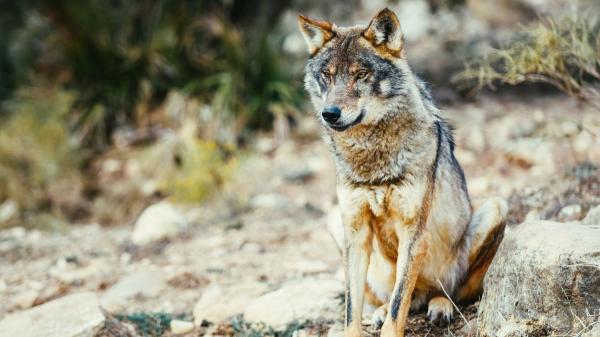
The bear and the wolf regain their presence in the Pyrenees
The project begins in a context marked by the progressive return of these species to different areas of the mountain range.
Currently, the brown bear maintains a consolidated breeding population in areas of the central Pyrenees. The Iberian wolf, for its part, continues to expand its presence in different sectors of the Pre-Pyrenees and the Eastern Pyrenees.
In 2025, the first breeding pair of wolves was also confirmed in the eastern sector of the mountain range after more than a century of absence.
The expansion of both species once again generates debate in areas linked to extensive livestock farming, where many producers demand more protection and effective measures to reduce damage.
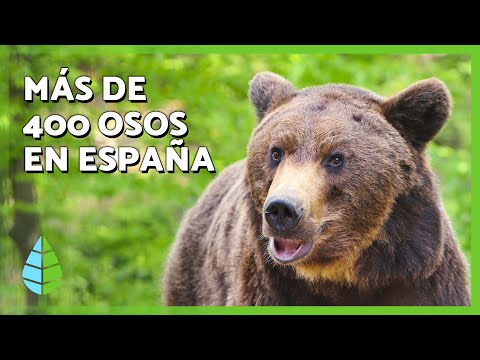
Artificial intelligence will be key in monitoring
One of the most innovative aspects of the project will be the use of artificial intelligence and advanced genetics to monitor bears and wolves.
Researchers will use non-invasive techniques to identify specimens and analyze their movements. AI will make it possible to speed up monitoring in mountain areas that are difficult to control.
In addition, new molecular markers and genetic tools will be used to study the affiliation of the individuals detected in the Pyrenees.
Scientists will also analyze the diet, health status and possible hybridization processes between specimens.
Those responsible consider that sharing data and methodologies between Spain, France and Andorra will be essential to improve the management of species that constantly cross borders.
Guard dogs and measures to reduce attacks
Another priority of the project will be to protect extensive livestock farming and beekeeping from attacks by large carnivores.
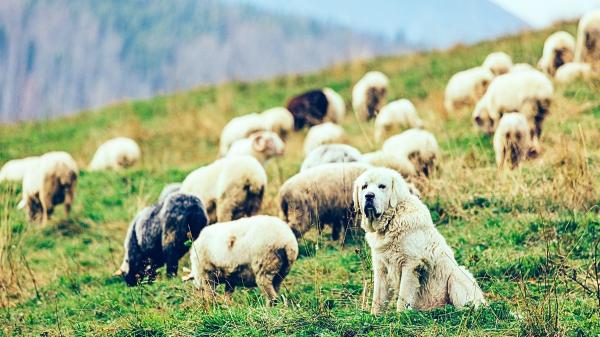
The program will promote preventive measures such as the use of guard dogs and the training of shepherds specialized in livestock management in areas with the presence of bears and wolves.
Specific manuals will also be prepared and the effectiveness of acoustic deterrent systems in areas with high predation pressure will be studied.
The intention is to reduce economic losses and reduce the social tension that exists in some rural areas of the Pyrenees. In addition, the project will analyze possible improvements in damage assessment systems and conflict mediation mechanisms.
Social acceptance will be one of the great challenges
LoupO Coexistence will not focus solely on technology and prevention. The project will also study how the inhabitants of the Pyrenees perceive the presence of bears and wolves. To this end, forums, meetings and specific studies on coexistence and social conflict will be organized.
Those responsible consider that many of the problems related to large carnivores, such as bears and wolves, also have cultural and emotional components.
For this reason, the program will seek to create spaces for dialogue between administrations, scientists, ranchers and the local population.
The main objective will be to find a balance between environmental conservation and maintenance of traditional mountain activities.
If you want to read more articles similar to Arranca LoupO Coexistence, the project that uses AI to improve coexistence with bears and wolves in the Pyrenees, we recommend that you enter our Biodiversity category.
