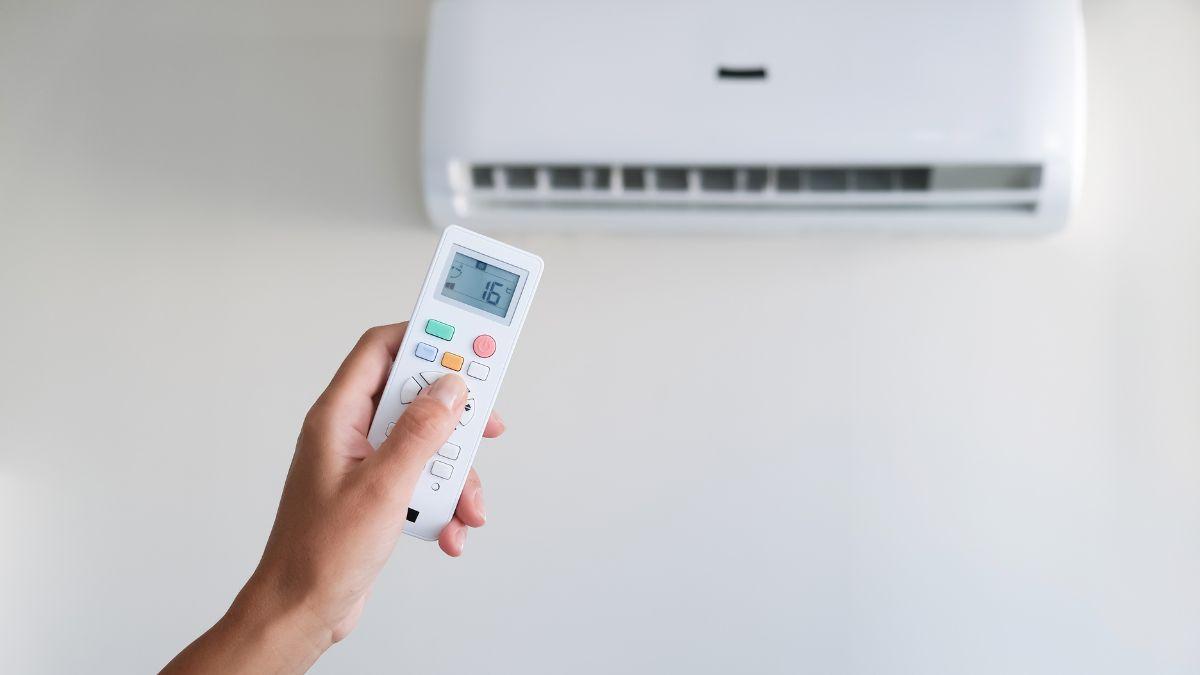
With the arrival of heat, air conditioning once again becomes the great ally of many homes and also one of the main concerns when the electricity bill arrives. In the middle of a heat wave, there are many who lower the temperature to the minimum thinking that this way they will cool down sooner and spend less. However, experts warn that this habit may be just the opposite of what it seems.
The energy expert Rafa Loza has recently spoken in the media and has insisted on several occasions that the correct use of air conditioning is key to avoiding shocks on the electricity bill. Their recommendations focus on a specific temperature range and very common errors that are repeated in most homes.
Added to this are technical explanations from other specialists in the energy sector, such as engineer Javier Dasí, who details how much an air conditioning unit actually consumes and why the way it is used influences the final bill so much.
The ideal air conditioning temperature according to an energy expert
Rafa Loza is clear: the biggest mistake in summer is to think that lowering the air conditioning temperature further will make the home cool down faster. As he explains, this is not only inefficient, but it can significantly increase electricity consumption.
Their recommendation is to keep the air conditioning between 24 and 26 degrees, a range that allows thermal comfort to be maintained without excessively straining the equipment. “The biggest mistake is to lower the temperature too much thinking that the equipment will cool down sooner,” warns the energy expert, a widespread practice in many homes.
The problem, according to your approach, is that the system does not cool faster because it is set to a lower temperature, but rather works longer until it reaches it. This translates into greater energy consumption without a real improvement in the sensation of freshness.
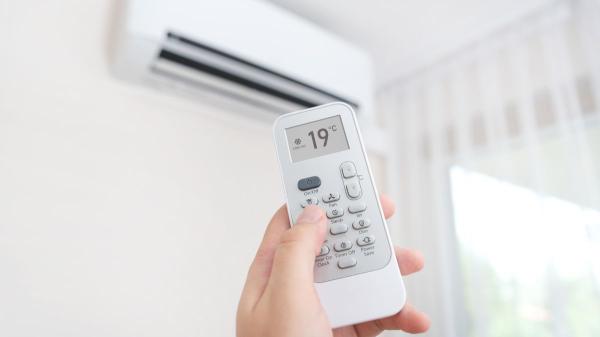
The most common mistake that triggers the bill without you realizing it
Beyond the specific temperature, Loza also insists that there is an underlying problem: the way in which air conditioning is used on a daily basis. In many cases, rapid cooling tends to be prioritized instead of efficient consumption management.
Lowering the thermostat excessively, maintaining unnecessarily low temperatures for hours or not combining air conditioning with other ventilation strategies are some of the habits that have the greatest impact on the bill.
The expert emphasizes that the key is not to “force” the device, but to find a balance between comfort and energy efficiency. More rational use can make a difference at the end of the month, especially in periods of sustained high temperatures.
How much does an air conditioner really consume and why does it matter?
To better understand the impact on the bill, the engineer and energy expert Javier Dasí in his video provides a more technical vision of the operation of this equipment. As he explains, the consumption of an air conditioner is not constant, but varies depending on the operating phase.
“Normally, when starting up and until the programmed temperature is reached, it can consume between 1000 and 1200 W per hour,” says Dasí. This initial peak depends on factors such as the outside temperature, the insulation of the home or how low the target temperature has been set.
Once equilibrium is reached, consumption is reduced by approximately half, reaching around 500 or 600 W per hour. That is, energy consumption stabilizes, but is still relevant if the equipment remains on for many hours.
Fan or air conditioning: the most efficient combination
At this point, Dasí introduces a key comparison: the fan versus the air conditioner. As he explains, a fan can consume between 10 and 20 times less energy than an operating air conditioning unit.
This makes, in many situations, the fan a more efficient alternative or a very useful complement to cool the house. His recommendation is to use it whenever possible, especially in the first hours of heat, when it is not yet essential to use air conditioning.
Furthermore, combining a fan with a higher air conditioning temperature can generate a similar thermal sensation with much lower consumption. This strategy allows reducing the system load and, therefore, electrical expenditure.
The factor that can multiply your electricity bill without you knowing it
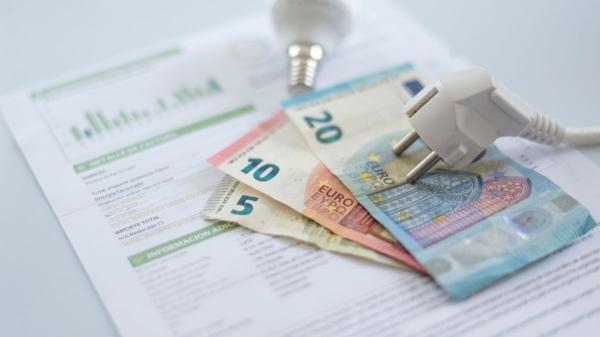
Beyond the consumption of the device itself, Dasí warns of a factor that many users do not take into account: the price at which they are paying for electricity. As he explains, consuming energy at 10 cents per kWh is not the same as doing it at 25 or 30 cents.
“If you pay for the most expensive electricity, each hour of air conditioning use can be equivalent to several hours of real expense,” explains the engineer, highlighting how a bad rate can multiply the impact on the bill without changing consumption.
This means that two homes with the same use of air conditioning can have very different bills simply due to the price contracted with their electricity company. Checking the rate, therefore, is as important as using the device correctly.
Rafa Loza’s recommendations and Javier Dasí’s technical explanations coincide on a key point: savings in summer do not only depend on using air conditioning less, but also on using it better.
Keeping it between 24 and 26 degrees, avoiding common mistakes such as lowering the temperature too much and relying on efficient ventilation can reduce consumption without losing comfort. Added to this is the importance of understanding how the device works and what electricity rate you are paying, two factors that can make a big difference in the final bill.
If you want to read more articles similar to Neither 20 nor 21 degrees: Rafa Loza, energy expert, reveals the ideal air conditioning temperature to save on your bill, we recommend that you enter our Energy Savings category.
