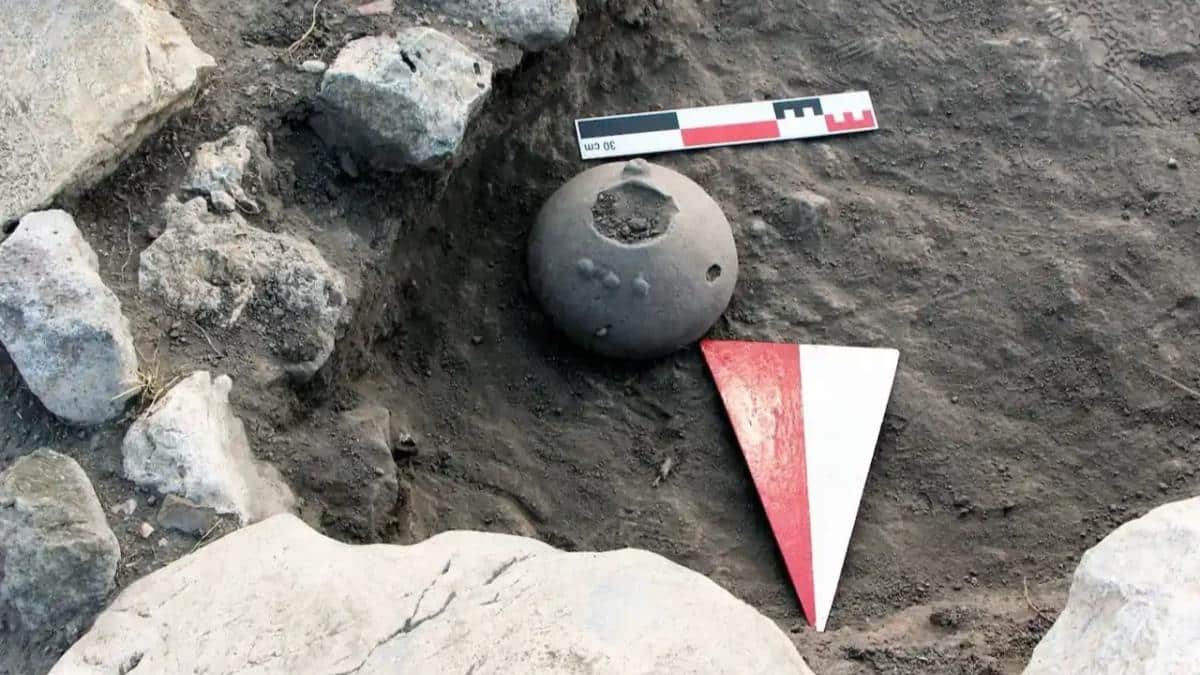
A vessel from about 4,000 years ago has allowed us to discover a small part of the natural history of Anatolia that had remained hidden for millennia. Remains of seeds related to a flower that still grows in the same region have appeared inside, although its natural presence is currently limited to a small territory in Ankara.
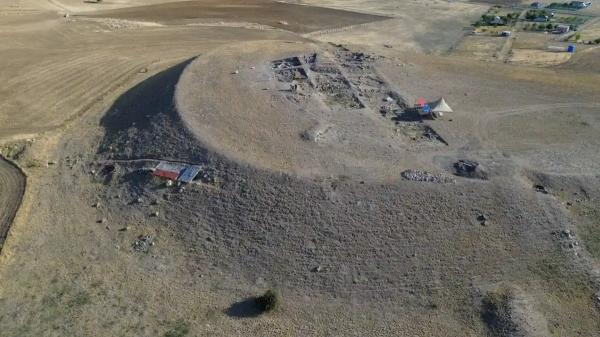
The discovery occurred during excavations at Külhöyük, an ancient settlement related to the Hatti and Hittite cultures. The remains have been identified as belonging to the genus Centaurea and they are considered the oldest known evidence of the so-called Sevgi Çiçeği, an endemic plant that today only grows naturally in the Gölbaşı district.
The seeds appeared in a 4,000-year-old pot
Külhöyük is located in the Gölbaşı district of Ankara and is a site with a history of about 5,000 years. The excavations have brought to light remains related to the Hatti and Hittite cultures, but on this occasion the discovery does not have to do with large constructions, weapons or inscriptions, but with something much smaller: some seeds.
Külhöyük is one of the archaeological settlements that gives insight into what life was like in this part of Anatolia during the Bronze Age. The site has provided different remains related to the communities that inhabited the area, including everyday objects that help reconstruct aspects of their daily life.
Researchers found remains of seeds inside a Hittite vessel dated to approximately 4,000 years ago. After analysis, they were related to a species of the genus Centaureathe same one to which the Sevgi Çiçeği that still grows in Gölbaşı belongs. Turkish authorities have described these remains as the oldest known of this flower.
The discovery is especially striking because it allows us to establish a link between the vegetation of Bronze Age Anatolia and the biodiversity that still exists in the region.
However, the seeds also raise a question for which there is still no definitive answer: why were they inside the pot? For now, it has not been determined if they were deliberately collected and stored, if they had any specific use or if they reached the container in another way. There is also no evidence to confirm that the Hittites cultivated this plant or used it for medicinal, food or ritual purposes.
The flower that today only grows in a small corner of Ankara
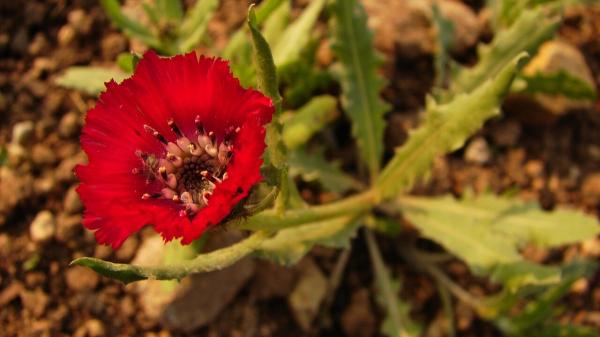
The Sevgi Çiçeği, scientifically known as Centaurea tchihatcheffiiis a plant endemic to Ankara. Its current natural distribution is extraordinarily limited: it grows only in the Gölbaşı district, in an area located south of the Turkish capital.
Its Turkish name, Sevgi Çiçeği, can be translated as “flower of love”, although it also receives other local names. The plant stands out for its flowers of reddish, pink and purple tones and belongs to the Asteraceae family.
That a plant species with such a limited distribution appears represented in remains from about 4,000 years ago makes the discovery more than just an archaeological curiosity. The seeds offer a window into the vegetation that existed around the settlement during the Bronze Age.
The identification published so far refers to the genus Centaureaso the botanical details of the find will have to continue to be studied to know more precisely to what extent the ancient remains can be associated with the species currently living in Gölbaşı.
A small seed connects today’s landscape with Bronze Age Anatolia
Plant remains preserved in archaeological sites can provide information that does not appear in buildings or objects manufactured by people. A seed can reveal what plants grew in the surrounding area, what species were present in a certain landscape or even what vegetation may have come into contact with a settlement.
In this case, the discovery allows us to go back thousands of years in the natural history of Ankara. Külhöyük was occupied long before the modern city existed and preserves evidence of the societies that inhabited this area of Anatolia during the Bronze Age.
The seeds found in the vessel now add another element to that record: the presence of a plant related to the Sevgi Çiçeği in this territory about 4,000 years ago.
This does not mean that current populations of the species are exactly the same as those that existed then or that the plant has remained unchanged throughout that time. What the discovery provides is evidence that a Centaurea Related to this flower, it was part of the region’s landscape thousands of years ago.
Preservation of seeds for thousands of years
That some seeds have reached our days is not common. Plant remains usually decompose over time, but certain archaeological conditions can favor their conservation. The absence of oxygen, limited humidity or certain carbonization processes can allow some plant remains to remain identifiable for thousands of years.
In the case of Külhöyük, the analysis of these remains allows us to recover a small part of the vegetation that surrounded the settlement in the Bronze Age. Precisely due to its small size, this type of evidence can go unnoticed compared to other much more striking archaeological finds.
A protected species that still survives in Gölbaşı
As we have mentioned, the history of the Sevgi Çiçeği does not end at the archaeological site. The plant continues to grow today in Gölbaşı, although its distribution area is very small and protected.
The species has suffered pressure derived from the transformation of its habitat and human activities such as agriculture and urban development. Its importance for the natural heritage of the area has also increased in recent years: in 2019 it received the geographical indication registration, which recognizes its connection with this territory.
Therefore, the seeds found in Külhöyük have an interest that goes beyond archaeology. They represent a connection point between a plant that is still part of Ankara’s biodiversity and a landscape that existed thousands of years before.
A small amount of plant remains preserved in a vessel has thus made it possible to find a trace of the flora of the Bronze Age and remember that some elements of the landscape may have a much older history than it seems.
If you want to read more articles similar to The seeds of a flower that today only grows in a corner of Ankara are discovered in a 4,000-year-old Hittite vessel, we recommend that you enter our Biodiversity category.
