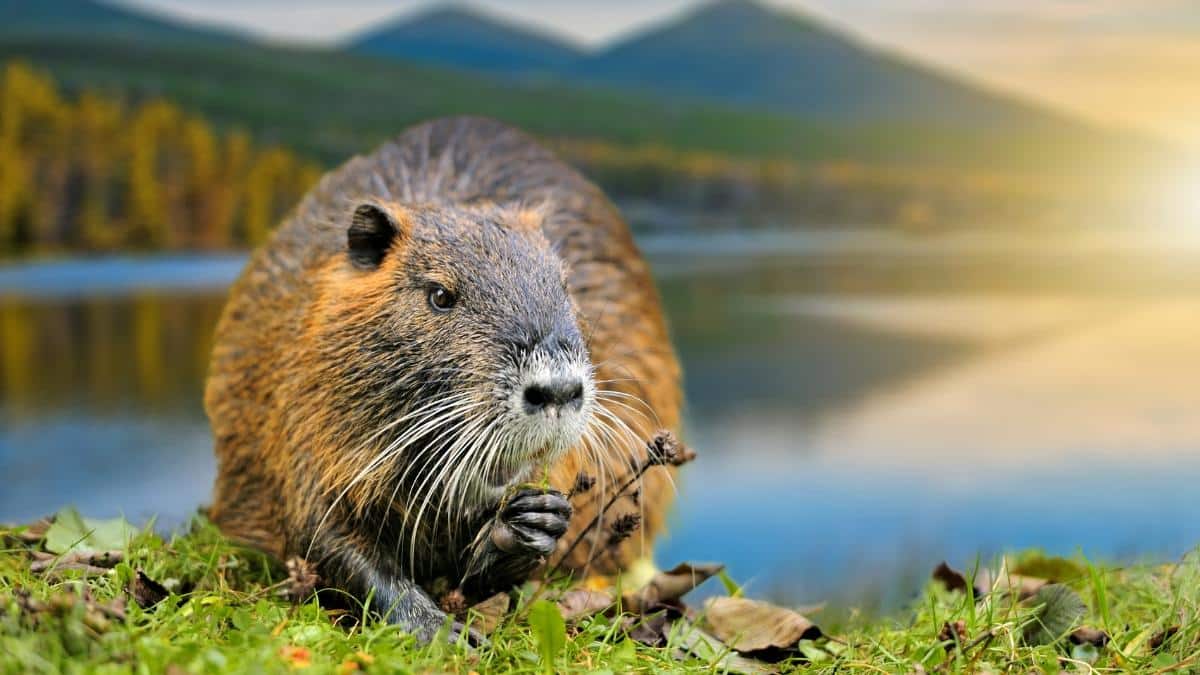
In March 2025, two pairs of beavers were released into Little Sea, an area of wet forest located in Studland, Dorset, England. It was a historic moment: it was the first license granted in England to release these animals, after centuries of absence of the species in the country.
But the most striking thing happened later. One of the beaver groups has built a dam about 35 meters long and transformed a small stream into a large area of deep water. In just one year, the landscape has begun to change and with it the fauna that uses it.
Cameras installed by the National Trust have already captured otters fishing in the new wetland and a short-eared owl hunting, while volunteers have observed different species of birds. And the project continues to evolve.
The first free-ranging beaver release authorized in England
Eurasian beavers (Castor fiber) were a common species in Britain, but disappeared from England centuries ago due mainly to hunting. Its skin, meat and the secretions of its glands were highly valued, to the point of driving the species to local extinction.
Their return has occurred progressively over the last few decades, through controlled projects and populations that have reestablished themselves naturally.
On 28 February 2025, Natural England announced a historic change to this strategy: beaver releases were authorized in England for the first time. The first project approved was precisely that of the National Trust in Purbeck, Dorset.
Days later, on March 5, two adult pairs from Scotland were released into Little Sea. The aim was for them to settle and reproduce to help create a viable population in the area.
“We are delighted to have this opportunity to release wild beavers into the Purbeck landscape,” said Gen Crisford, National Trust Purbeck Beaver Project Manager. The specialist highlighted that the team had been working with Natural England and other organizations for seven years to make this first release possible.
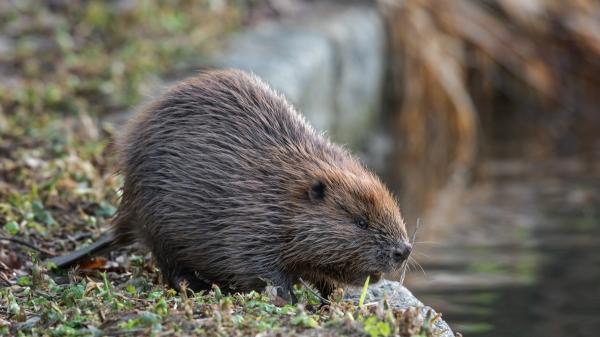
A 35-meter dam has transformed the forest
Beavers are known as true ecosystem engineers because they do not limit themselves to living in a certain habitat: they also actively modify it.
That is exactly what has happened at Studland. One of the freed couples began working on a small stream that ran through the forest and built a dam about 35 meters long.
The structure has slowed the flow of water and caused a deep and extensive area of water to form. The result is a new wetland within the forest that already has very different conditions than those that existed before the arrival of the animals.
The transformation is not limited to water. Beavers have also cut down certain trees to feed on and build their structures, opening clearings in an area that was previously dominated by very dense vegetation.
But this does not mean that the forest has disappeared. Willows and other trees cut down by beavers can regrow, similar to what happens with traditional pruning. The opening of the plant cover also allows more light to reach the ground and creates new spaces for plants, insects, amphibians, birds and bats.
“The effect on the ecosystem is amazing,” Crisford said. According to the person responsible for the project, the beavers have gone from being in a dense, tangled forest to creating “a light and airy wetland full of life” both in and out of the water.
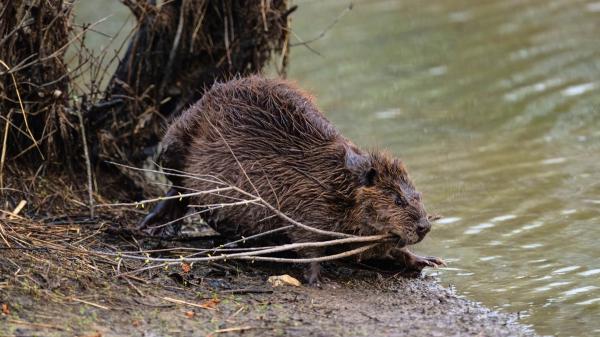
Otters, birds and dragonflies already take advantage of the new wetland
National Trust cameras have recorded an otter fishing in the new pond and a short-eared owl hunting in the area. Volunteers have also observed birds such as the common linnet and the European rail.
And the evolution has continued throughout 2026. In summer, specialists involved in monitoring the project recorded seven species of dragonflies and damselflies in the wetland created by the beavers. Additionally, cameras have continued to capture otters using both Little Sea and the new wetlands.
The explanation lies in the structure of the ecosystem itself. By slowing down water, dams create zones with different depths, currents and humidity levels. That multiplies the small environments available for other species.
Natural England believes that this ability to create and restore wetlands is one of the main reasons for beaver recovery in England. The agency points out that these animals can contribute to increasing biodiversity and recovering lost habitats.
Beavers can also help retain water during droughts
The story of Studland also has another peculiarity: the ability of these animals to modify the way water remains in the landscape.
In August 2026, the National Trust reported that the dam network built by beavers was still holding water despite dry conditions. The data is especially interesting because the project had previously suffered the effects of a period of drought that reduced water levels in the area.
Dams can slow down the movement of water, allow it to remain in the ground and retain sediments. This does not mean that a colony of beavers can solve drought or flood problems on its own, but it does mean that their natural activity can modify the dynamics of the water and generate habitats that did not exist before.
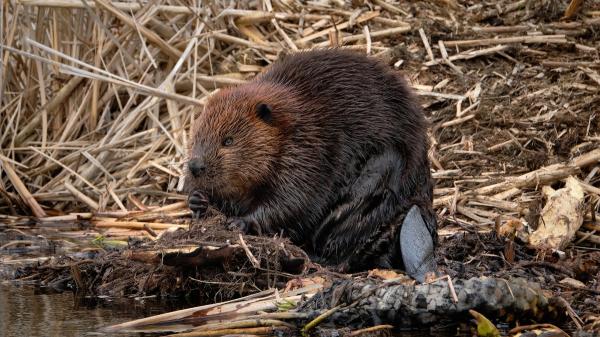
The experiment continues and the beavers already have new offspring
In August 2026, the National Trust confirmed the birth of two new calves. With them, the Little Sea family group now reaches seven specimens: two adults, one calf born in 2024, two born in 2025 and the two new ones in 2026.
Meanwhile, technicians continue to use cameras, drones and on-the-ground observations to track the animals’ movements and measure how the vegetation and water surface changes.
What began in March 2025 as a pioneering experiment in the recovery of a disappeared species is thus demonstrating something much broader: when beavers return, not only does an animal return to the landscape, but also one of its most important ecological functions.
If you want to read more articles similar to Beavers were released into a forest in England and a year later something surprising happened: they created a 35-meter wetland full of life, we recommend that you enter our Ecosystems category.
