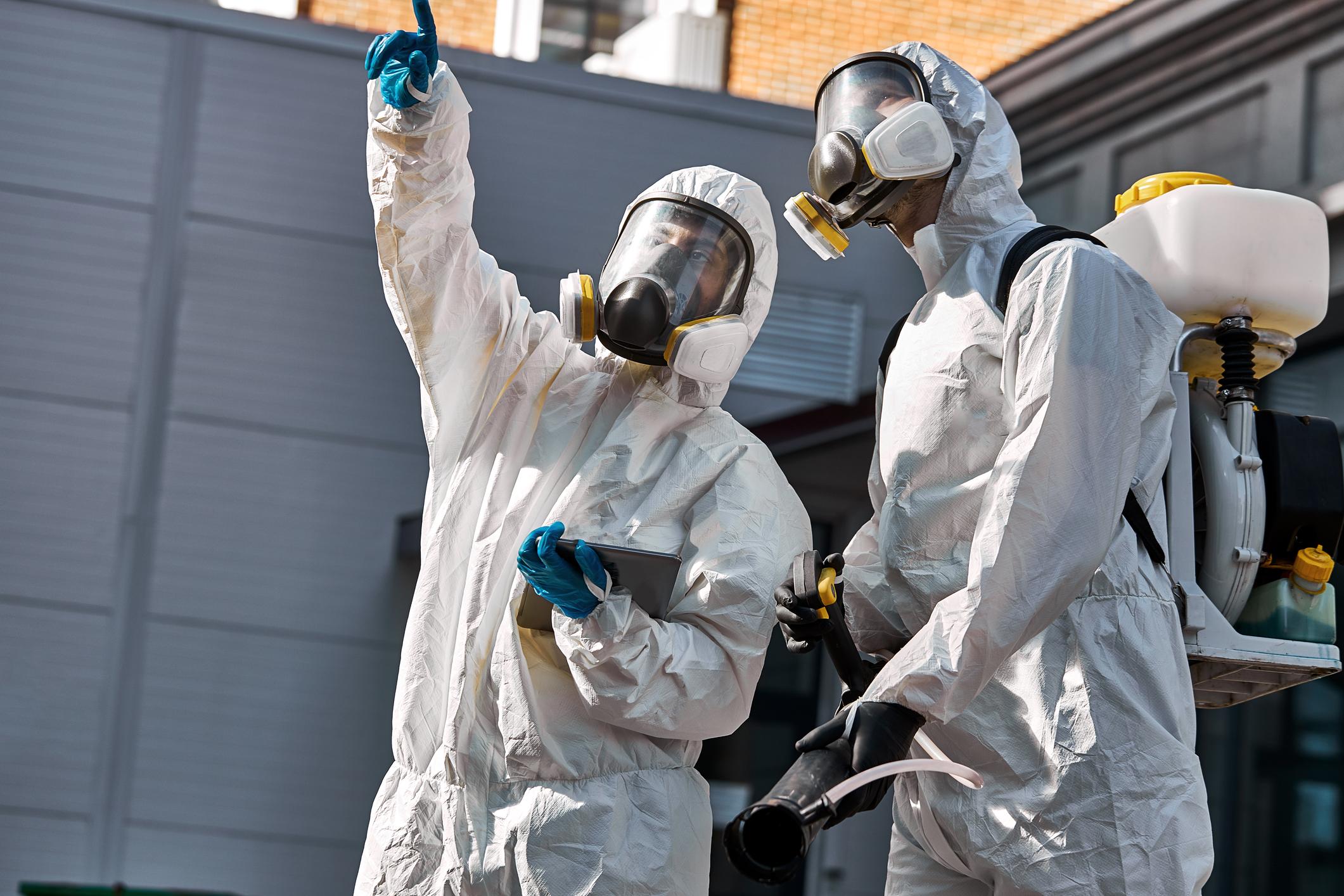
Biosecurity is of vital importance to our health and that of the environment, since it prevents exposure to infectious agents causing diseases. These standards and measures are applied in scientific research, in public health and in other related fields. An example of biosafety is the use of protection elements, such as gloves, masks or glasses.
Have you ever heard of its principles and levels? In the following ecology article, we tell you everything you need to know about What is biosafety and examplesso you can better understand the concept, keep reading!
What is biosafety
There are different definitions of biosafety, such as that belonging to WHO, (World Health Organization) or the concept provided by FAO, (United Nations Organization for Food and Agriculture). However, the concept of biosafety can be understood as: a set of practices, measures, protocols and standards Applied in procedures carried out in scientific research, in public health and other related fields, which must be applied to natural, accidental or deliberate contact with agents that are potentially harmful.
Therefore, the concept of biosafety is broad and implies the systematic adoption of measures that reduce or eliminate the risks that may produce the activities that are developed in a certain site.
You may be interested in this article on hazardous waste: classification, examples and handling.
What is Biosafety for
The main objective of biosecurity is associated with the development of behaviors and Implementation of standard procedures that reduce and prevent risks associated with infectious diseases related to exposure to potentially dangerous agents such as microorganisms, chemicals or biological materials, which risk people’s health or environment.
That is, it is an essential discipline that Avoid the release of biological agents Potentially dangerous inside and outside the workplace, taking care of the health of the individual, the community and the environment.
Discover what an environmental problem and examples are.

Principles of biosafety
The principles of biosafety emphasize the preventive measures and the behavior that the corresponding personnel must apply, avoiding accidents and improving working conditions. There are four basic principles of biosafety:
- Risk assessment: It is the evaluation process in which the probability of accidents such as damage, wounds or infections are measured. Those personnel who manipulate potentially harmful biological agents must know the risks and know how to dominate the appropriate techniques to handle them safely.
- Universality: Biosafety measures must involve the entire institution. Among them, staff, patients (if any) and visitors must routinely comply with the established rules to prevent accidents.
- Barriers: This principle is related to avoiding direct exposure to those potentially dangerous samples using adequate materials or instruments that evade contact with them, minimizing accidents. A barrier can be vaccines (immunization), others are primary barriers such as gloves, chin, costumes and secondary barriers such as ventilation systems or sinks.
- Means of removal of contaminated material: It involves the set of specific devices and procedures through which they are eliminated, without risk, contaminated biological samples.
Do not miss this article about health waste: what are, types and management.
Biosafety levels
Biosafety level 1
This level applies to microorganisms that represent a very low danger For the worker, the population and the environment, so special equipment is required. Biological agents can be handled with standard precautions such as the use of gloves and masks. The work is usually done at open work tables and contaminated materials can be discarded in open waste containers.
Biosafety level 2
At the level of biosafety 2 they are handled Pathogenic agents of moderate danger And while it resembles level 1, it presents some differences such as:
- The personnel are specifically trained to manipulate these agents.
- Access to the laboratory or other work site is restricted at the time of manipulation.
- Some must be taken Precautions with those cutting instruments that are contaminated.
- Certain dangerous procedures can be carried out within biological work cabinets.
Biosafety level 3
At level 3 we work with pathogenic agents that can Cause severe health damage and even can be mortalas a result of the exposure or inhalation of them. A clear example is the virus causing coronavirus. Here more advanced security measures are required as specialized ventilation systems and specific staff, who is trained for the manipulation of these agents.
Biosafety level 4
This level is used in the case of working with infectious agents that represent a high level of infection and that can be very harmful and even cause death. The personnel of these laboratories have specific training in the management of said agents and work occurs in a sterile and controlled environment. Laboratories have negative pressure to prevent agents from escaping outside and are also isolated from the rest of the areas. At this level, diseases such as Ebola, Hantavirus, and smallpox are handled.

Examples of biosafety
- Use protection elements such as gloves, suit and lenses when manipulating infectious agents. The mask must be placed safely covering the nose, mouth and chin and should be adjusted to the face to prevent openings from being.
- Collect hair: It is important to work with tied hair to prevent hooking, contaminating a sample or even makes sight difficult and an accident is committed.
- Use the elements properly: Inadequate use of instruments produces risks. None of the laboratory elements should never be taken to the mouth because substances harmful to health can be ingested.
- Manipulate liquid substances carefully: They should always manipulate on a smooth surface to avoid spills that put health at risk.
- Keep obstacle -free spacesince an accident can occur when manipulating biological materials.
Now that you know what biosecurity is, do not miss this other ecology article about the Cartagena protocol: what is, objective and signatory countries.
If you want to read more articles similar to What is biosafety and exampleswe recommend that you enter our category of other environment.
