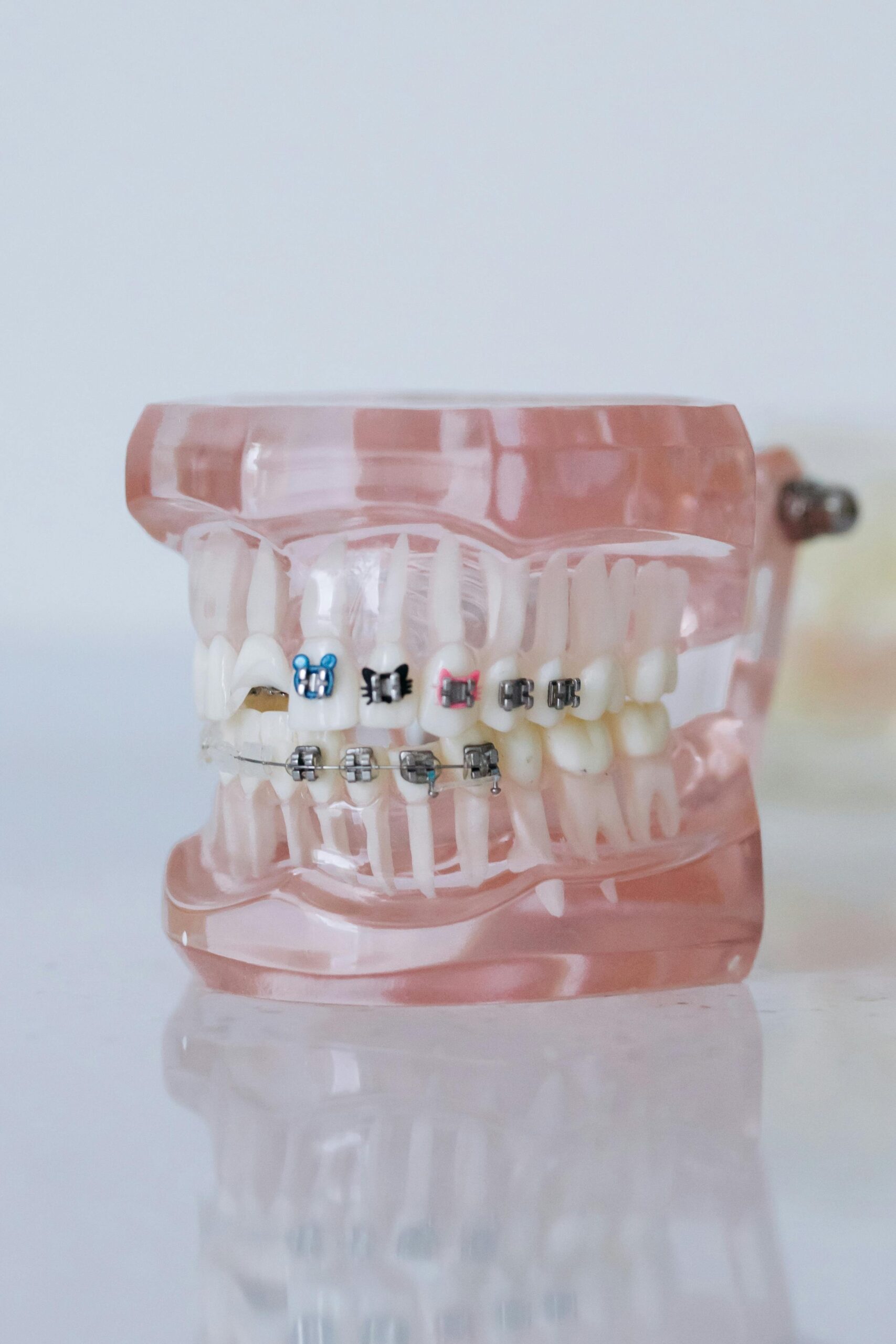
Braces aren’t what they used to be, and that’s a good thing. The tools have improved. The approach feels more flexible. Treatment today is tailored to the individual, not just the problem.
Still, if you’re thinking about getting braces — or someone in your family is — the same old picture probably comes to mind: Metal wires, long appointments. A process that takes years to complete.
That version still exists, but it’s no longer the default.
Orthodontics has evolved, and so should our approach to discussing it. So here’s a bit of what we wish more patients understood before stepping into the chair — the things that don’t always make it into the brochures.
Treatment isn’t one-size-fits-all
There’s no standard issue anymore. What works for a teen with crowding might be totally different for an adult with bite issues. The idea isn’t to slot you into a system; it’s to build one around your needs, habits, and even lifestyle.
That includes how visible the braces are, how often they need adjustment, and how long they’ll stay on. There are traditional metal systems, of course, as well as ceramic brackets and clear aligners. There are also newer technologies like self-ligating braces, which don’t rely on elastic bands to do their job. That slight design shift can mean shorter appointments and fewer in-office visits.
Your comfort matters more than you think
Braces have a reputation — and not always a great one: soreness, speech changes, and food limitations. However, the truth is that orthodontists spend a considerable amount of time thinking about how to make treatment as smooth as possible, not just in terms of results, but also in how it fits into your daily routine.
That’s why early conversations matter. What do you eat? How do you sleep? How do you feel about visibility? These questions help shape the kind of treatment that is right for you and how comfortable it will be in the long run.
It’s okay to ask more than just technical questions
You’re not expected to understand everything in one visit. Good orthodontists encourage questions: about cost, time, and what it’s actually like to live with braces. Dr. Normand Bach, a long-practicing orthodontist based in Montreal, often reminds new patients that it’s not just about straightening teeth. It’s about finding a plan you can live with — and even feel good about.
Orthodontics isn’t just for kids (or perfectionists)
More adults than ever are seeking treatment — not because they want a movie-star smile, but because they want comfort, balance, and better dental health. Minor crowding, shifting after years without retainers, or just a desire to invest in yourself — they’re all valid reasons to take that first step.
If you’re curious, ask. Schedule a consult. The worst thing that can happen is you learn a bit more about your options — and possibly discover that modern braces aren’t what you thought at all.
