
Every winter we return to the same ritual: turn on the heating, raise the thermostat and… be surprised when the bill arrives higher than expected. But what if you were told that the way we’ve heated our homes for decades is becoming obsolete? As the architect and energy efficiency expert Jordi Martí explains in his video, we are in the middle of a profound transformation.
Martí states that: “Radiators’ days are numbered; they are an inefficient and obsolete technology.” But what is behind this statement? Why is a system that has worked for decades beginning to lose meaning? And above all, what real alternatives exist today to heat our homes more comfortably and efficiently? Here we explain it clearly.
Why radiators worked… and why they don’t anymore
Radiators have long been the heart of heating in homes around the world. They work by heating water to high temperatures and transferring that heat to the environment. In older houses, with cold walls and poorly insulated windows, this method made sense: the hot surface of the radiator compensated for the cold of the rest of the space.
As Jordi Martí explains in a video on the subject: “Until now the radiators have worked very well for us because in winter the walls and windows were very cold and the hot surface of the radiator compensated for this.”
In those cases, the radiator had to be much hotter than you for you to feel comfort. It was inefficient and consumed a lot of energy just to maintain that feeling of heat, but the construction reality has changed.
Current homes are better insulated and have fewer temperature losses
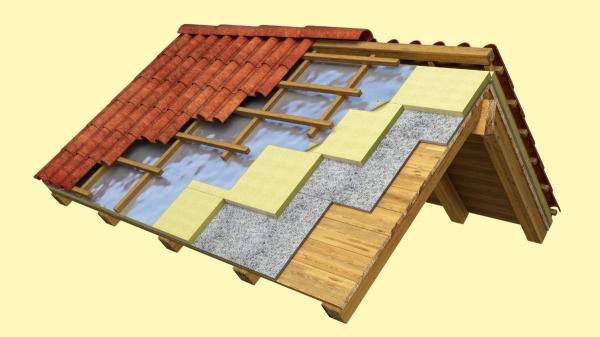
The main reason why radiators are losing relevance is neither aesthetic nor technological per se: it is the change in the way buildings are constructed and rehabilitated. Modern homes have better insulation, high-performance windows and thermal envelopes that better maintain interior heat.
This means something simple but fundamental: maintaining a constant indoor temperature is no longer as dependent on large heat emitters radiating from a hot radiator to the outside. The walls, windows and ceilings help much more, so the radiator is no longer essential for the feeling of comfort.
Martí sums it up clearly: “New buildings are already much better insulated and it no longer makes sense to have a gas boiler and radiators that get very hot; it is an inefficient and obsolete technology.”
Alternatives to radiators that are gaining ground
So, if radiators take a backseat… what is taking their place? Several technologies are setting trends, both in new homes and in efficient renovations:
Heat pumps (aerothermal)
The air-to-water heat pump extracts energy from outside air and uses it to heat heating water and domestic hot water. This process is very efficient, because for each unit of energy consumed it generates several units of useful heat.
Aerothermal energy is compatible with low temperature systems such as underfloor heating, and its use is growing as it is a sustainable and profitable solution.
Underfloor heating and radiant systems
Instead of heating the air, these systems directly heat surfaces (such as the floor), producing more uniform and constant heat without the need for visible radiators. They operate at lower temperatures than traditional radiators, which improves efficiency and reduces losses.
air conditioning
Air systems can combine heating and cooling with precise temperature and zone control. Although they are not ideal in all climates, their flexibility and ease of installation make them attractive in many homes.
Other options
Furthermore, technologies such as infrared panels are emerging as interesting alternatives, especially in very well-insulated homes, offering comfort with lower energy consumption and a more discreet design.
And now what?
This is not about demonizing radiators, since in many homes they continue to work and will continue to be useful for years. But the message from experts like Jordi Martí is clear: the heating of the future does not involve depending on a single large, hot heat emitter on the wall.
As energy efficiency and sustainability gain prominence, also driven by regulatory changes in the construction and rehabilitation of buildings, solutions that work with lower temperatures, better integration with renewable energies and greater comfort are leaving traditional radiators behind.
It is possible that in a few years we will think of radiators as something of the past, just as today we look at old stoves as relics of another time. Although this change may seem radical, the truth is that it is already happening.
If you want to read more articles similar to Jordi Martí, specialist in energy efficiency: “Radiators’ days are numbered; they are inefficient and obsolete”, we recommend that you enter our Energy Savings category.
- Practical guide: Which heating system is most efficient for your home in 2025? Climamania. Available at: https://www.climamania.com/blog/guia-practica-que-sistema-de-calefaccion-es-mas-eficiente-para-tu-hogar-en-2025/
- Benefits of Radiant Heating. NUEN Insights. Available at: https://www.nuen.ai/insights/radiant-heating
