
Heating is one of the main energy costs in homes during the cold months. If we use it inappropriately, it can considerably increase the bill, even without providing greater comfort. Programming it correctly allows you to adapt the operation of the system to the schedules and real needs of the home.
In this Evidence Network article we are going to talk about how to program heating to save. Here are some tips to reduce consumption and improve efficiency without giving up an adequate temperature at home.
Why scheduling heating helps save?
Scheduling your heating is not just a matter of comfort, but also of efficiency. The main reason why it helps save is because it prevents the system from running longer than necessary. In many homes, the heating is turned on manually and left running for hours, even when no one is home or when everyone is sleeping. This causes unnecessary energy consumption. When programmed, the system is activated only when it is really needed, maintaining a comfortable temperature without wasting energy.
In addition, maintaining a constant and moderate temperature is much more efficient than turning the heating on and off repeatedly or forcing it to work at maximum to heat a very cold home. Heating systems consume more energy when they have to recover several degrees at a time. With adequate programming, the home remains within a stable thermal range, reducing consumption peaks.
Also influencing is the fact that each additional degree significantly increases energy expenditure. Adjusting the schedule so as not to overheat the house, for example by turning it down a few degrees at night or when no one is home, can mean significant savings on your monthly bill.
Recommended temperatures depending on the stay
Not all rooms in the house need the same temperature. Adjusting the heating according to the use of each room is one of the simplest and most effective ways to reduce consumption without losing comfort.
These are the most recommended guideline temperatures:
- Living room and living areas: Between 20°C and 21°C is usually sufficient when the home is occupied. It is the space where you spend the most time, so it is advisable to maintain a pleasant atmosphere, but without going overboard.
- Bedrooms: The ideal is to keep them between 17 °C and 19 °C. For sleeping, a slightly lower temperature promotes rest and reduces energy expenditure. They do not need to be as warm as the living room.
- Bathroom: It can be between 21 °C and 23 °C, but only during the time of use. There is no point in keeping it at that temperature all day. If programmed correctly, just warm it up a little before showering.
- Corridors and passageways: 15°C to 17°C is usually sufficient. They are spaces where you do not stay for a long time, so they do not require the same level of heating.
As a detail, each additional degree can increase energy consumption by around 7%. Therefore, small adjustments in each room can make a noticeable difference in the final bill.
The key is to adapt the temperature to the actual use of each space and avoid the tendency to heat the entire home equally and keep the doors closed to isolate each room as much as possible without wasting energy.
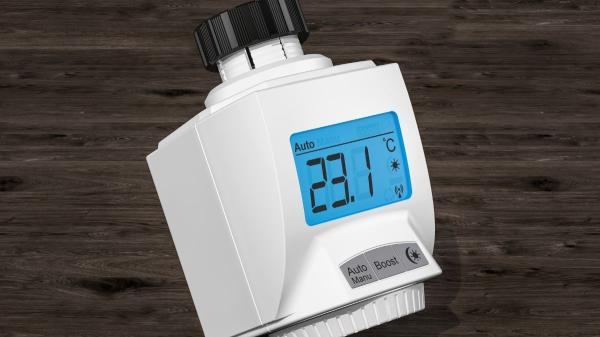
When and how to schedule heating to save: daily and weekly schedules
Programming the heating correctly does not simply mean having it on for less time, but rather adapting it to the real habits of the home. The objective is for the home to be comfortable when it is needed and reduce consumption when it is not.
To program your heating well, it is best to adapt to your daily routine. We are going to divide the day into three main blocks:
- In the morning: Set the heating to turn on 30 to 60 minutes before you get up. This way the house will already be at a comfortable temperature at the beginning of the day, without having to force the system to its maximum.
- During the work day: If no one is home, the ideal is to lower the temperature to around 15°C–17°C. It is not advisable to turn it off completely in cold weather, as it will then need more energy to recover several degrees.
- In the afternoon and evening: Activate it before the inhabitants of the home return and keep it around 20°C–21°C in the main areas. At night, reduce the temperature in the bedrooms to 17°C–19°C.
A common mistake is to turn up the heating more than necessary, thinking that it will heat up faster. The system does not work faster by marking more grades; it will only consume more energy. From Monday to Friday, adjust the heating to the actual hours in which the home is occupied. On weekends, if you spend more time at home, the hours can be extended, but always maintaining moderate temperatures.
If schedules change frequently, programmable or smart thermostats make this task much easier. They allow time slots to be modified easily and even automatically adapt to usage patterns.
More tips to save on heating
In addition to good programming, there are small habits and adjustments that can make a big difference in energy consumption. Many times it is not about large investments, but about paying attention to details that directly influence efficiency:
- Improves insulation: There is little point in heating the home if heat constantly escapes. Checking windows, doors and possible cracks can avoid unnecessary losses.
- Do not cover radiators: Placing furniture in front of them, covering them with clothing or using decorative radiator covers reduces their effectiveness.
- Purge the radiators once a year: If they have air inside, they do not heat properly and force the system to work harder.
- Take advantage of sunlight: During the day, open curtains and blinds so that the sun helps heat the home naturally. At night, close them to conserve the accumulated heat.
- Adjust the temperature, not the time: Many times the savings are not in reducing hours, but in lowering the general temperature by one or two degrees.
If you want to read more articles similar to Neither 23 nor 25 degrees: this is the ideal temperature to save on heating this winter, we recommend that you enter our Energy Savings category.
- At what temperature should you set the heating to save? Energy Factor. Available at: https://www.factorenergia.com/es/blog/ahorrar-electricidad/a-que-temperatura-poner-la-calefaccion-para-ahorrar/
- How to program heating to save? Voltiks. Available at: https://www.voltiks.es/blog/como-programar-la-calefaccion-para-ahorrar-3c/
- How to configure the boiler to save. Irsap. Available at: https://www.irsap.com/es/blog/configurar-la-caldera-para-ahorrar
- How to program heating. Ecoforest. Available at: https://ecoforest.com/es/blog/como-programar-la-calefaccion/
