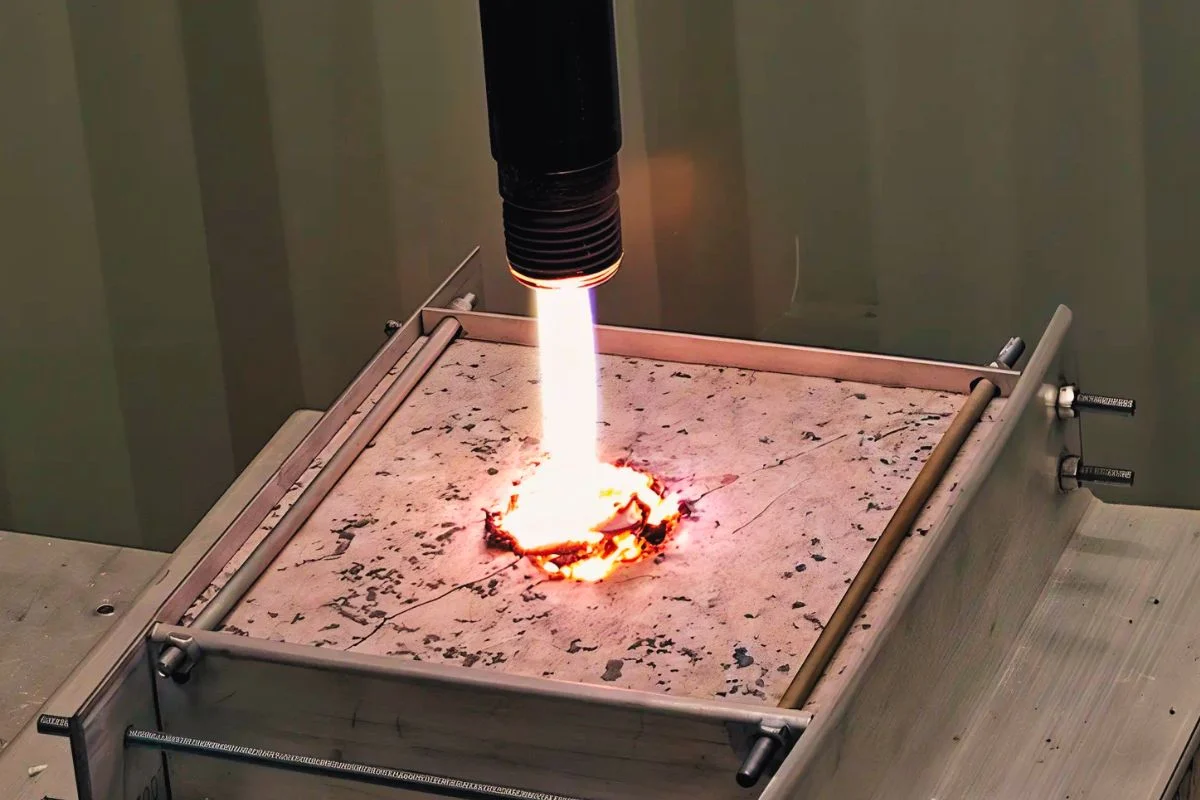
Revolutionary drilling technology promises to unlock Earth’s vast geothermal potential through sophisticated electromagnetic systems. Quaise Energy demonstrated groundbreaking capabilities at Marble Falls, Texas, where their gyrotron laser system vaporized 118 meters of solid granite using millimeter-wave electromagnetic radiation. This breakthrough represents a paradigm shift from conventional drilling methods, utilizing the same electromagnetic principles found in microwave ovens to penetrate the hardest rock formations.
The demonstration showcased unprecedented drilling speeds of five meters per hour, surpassing traditional granite drilling rates by over fifty times. Previous conventional methods struggled to achieve ten centimeters hourly progress through similar rock densities. The gyrotron technology eliminates mechanical friction, tool breakage, and frequent carbide bit replacements that plague traditional drilling operations.
Revolutionary gyrotron technology transforms deep drilling capabilities
Millimeter-wave electromagnetic energy represents the core innovation behind Quaise’s drilling revolution. The gyrotron functions as a high-frequency electromagnetic cannon, concentrating intense energy beams directly into rock formations. This focused electromagnetic radiation excites granite molecules, generating sufficient heat to transform solid rock into mineral vapor without physical contact or mechanical stress.
The precision of this electromagnetic drilling creates remarkably smooth borehole walls, resembling polished glass surfaces. Camera inspections reveal clean transitions between surface soil and uniformly heated granite walls, demonstrating the technology’s accuracy and control. Previous testing near Houston achieved twelve meters per hour drilling rates, establishing consistent performance benchmarks across different geological conditions.
Similar breakthrough innovations in renewable energy continue emerging globally. Scientists have just discovered the largest deposit of white hydrogen in an unexpected location, while advances in space-based solar observation through the first artificial solar eclipse in space opens a new era of the observation of the sun. These developments parallel the revolutionary potential of deep geothermal energy extraction.
Unlocking superhot rock geothermal energy potential worldwide
Earth’s subsurface contains extraordinary thermal energy reserves waiting for technological advancement. At depths of five kilometers, temperatures consistently reach 400-500°C, sufficient for generating superheated steam capable of driving electrical turbines directly. This superhot rock geothermal energy source offers continuous, carbon-free electricity generation without storage requirements or weather dependencies.
Current geothermal capacity represents merely 0.5% of global electricity production, despite enormous untapped potential. The thermal energy contained within Earth’s first ten kilometers of crust equals 50,000 times humanity’s annual energy consumption. Traditional drilling limitations have prevented access to these abundant resources, constraining geothermal development to naturally occurring hot springs and shallow systems.
| Energy Source | Global Share (%) | Capacity Factor | Carbon Emissions |
|---|---|---|---|
| Coal | 38 | 50-60% | High |
| Natural Gas | 23 | 40-50% | Medium |
| Nuclear | 10 | 90%+ | None |
| Geothermal | 0.5 | 90%+ | None |
International Energy Agency projections suggest deep geothermal systems could supply 8-10% of worldwide electricity by 2050 if technological barriers dissolve. Countries like Iceland, Philippines, and Kenya already demonstrate geothermal’s potential, while innovative cooling systems emerge from unexpected sources, as seen with this country of just 2 million people stuns the world with a first in 100 years—a cooling system that works without gas.
Infrastructure transformation through power plant conversion
Quaise Energy’s strategic approach involves repurposing existing fossil fuel infrastructure rather than constructing entirely new facilities. Coal and natural gas plants already possess essential components for electricity generation, including turbines, cooling systems, and electrical grid connections. The company proposes replacing conventional boilers with deep geothermal wells, maintaining existing infrastructure while eliminating carbon emissions.
This conversion strategy offers significant economic advantages through reduced construction costs and accelerated deployment timelines. Established industrial sites typically provide stable ground conditions, electrical infrastructure, and transportation access necessary for major energy projects. Industrial reconversion represents a practical pathway for rapid decarbonization without massive capital expenditures.
Chief Executive Officer Carlos Araque emphasizes Quaise’s identity as an energy company rather than merely a drilling contractor. Their mission focuses on positioning geothermal energy as the cornerstone of global energy transition, leveraging electromagnetic drilling to access previously unreachable thermal resources. The company’s ambitious timeline targets kilometer-deep drilling within months, progressing to 5-7 kilometer depths within several years.
Revolutionary scientific discoveries continue reshaping our understanding of energy and space, from a new dwarf planet could rewrite the external solar system map to medical breakthroughs where researchers announce we are developing universal antiviral therapy. These advances demonstrate humanity’s accelerating technological capabilities across multiple domains.
Economic and environmental advantages of electromagnetic drilling
Deep geothermal energy offers compelling economic benefits through consistent, baseload electricity generation. Unlike intermittent renewable sources requiring backup systems or storage solutions, geothermal plants operate continuously regardless of weather conditions. Operating costs remain predictably low once initial drilling investments are recovered, providing long-term energy security.
Environmental advantages include zero carbon emissions during operation, minimal land requirements compared to solar or wind installations, and no fuel transportation or storage needs. The following key benefits distinguish gyrotron-enabled geothermal from competing technologies :
- Continuous baseload power generation without intermittency issues
- Minimal environmental footprint compared to fossil fuel extraction
- Universal geographic availability through deep drilling capabilities
- Long-term cost stability with no fuel price volatility
- Existing infrastructure compatibility for rapid deployment
Current demonstration results validate the technology’s commercial viability, with 118-meter drilling depths achieved during initial testing phases. This electromagnetic approach eliminates traditional drilling complications including tool wear, wellbore instability, and penetration rate limitations in crystalline rocks. The precision and speed of gyrotron drilling could democratize access to Earth’s vast thermal energy reserves, transforming global energy landscapes through innovative electromagnetic applications.
