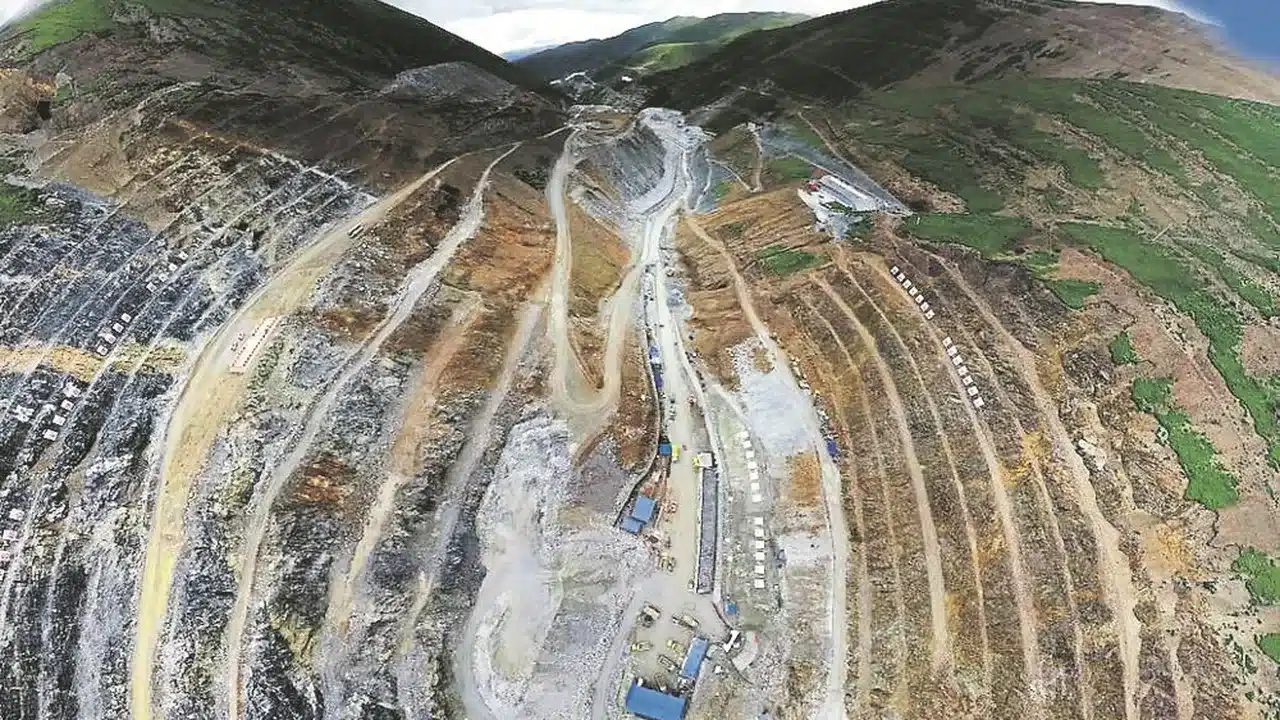
South America’s mining landscape has witnessed a transformative moment with the identification of massive mineral reserves in Argentina’s mountainous terrain. This extraordinary find represents the most significant precious metals discovery in three decades, reshaping global perceptions of the region’s economic potential. The deposit contains an impressive combination of over 80 million ounces of precious metals alongside more than 12 million tons of copper, establishing new benchmarks for mineral wealth concentration.
Revolutionary mining partnership transforms Argentina’s prospects
The Vicuña joint venture between BHP and Lundin Mining exemplifies modern collaborative approaches to resource extraction. This strategic alliance combines technical expertise with international market access, creating unprecedented opportunities for efficient operations. Jack Lundin’s leadership at Lundin Mining brings decades of experience to this ambitious undertaking, while BHP contributes its global infrastructure and technological capabilities.
Dave Dicaire, serving as Vicuña’s general manager, emphasizes the project’s commitment to sustainable development practices. His vision encompasses carefully scaled production methods that utilize cutting-edge technology while maintaining environmental responsibility. The partnership’s approach prioritizes long-term value creation over rapid extraction, ensuring community benefits extend beyond immediate economic gains.
Local authorities stress the importance of constructive dialogue between mining companies, government officials, and regional communities. This collaborative framework aims to establish transparent communication channels that address environmental concerns, worker safety protocols, and responsible resource management. The success of such partnerships depends heavily on maintaining trust and accountability among all stakeholders involved in the development process.
| Resource Type | Estimated Quantity | Global Significance |
|---|---|---|
| Gold and Silver | 80+ million ounces | Largest discovery in 30 years |
| Copper | 12+ million tons | Critical for green energy transition |
| Location | San Juan Province | Strategic Andean position |
Economic transformation potential for regional development
Argentina’s emergence as a major copper producer could fundamentally alter South American mining dynamics. The country, traditionally recognized for agricultural excellence, now positions itself to become a leading metals exporter within the next decade. This transition represents a significant diversification strategy that reduces dependence on single economic sectors while creating multiple revenue streams.
Financial analysts predict substantial ripple effects throughout Argentina’s economy, with job creation spanning multiple sectors beyond direct mining operations. Investment strategies focusing on emerging markets often highlight such discoveries as catalysts for broader economic growth. The deposit’s scale suggests sustained employment opportunities in engineering, logistics, environmental management, and community services.
San Juan Province’s transformation from scenic mountainous region to industrial hub demonstrates how natural resource discoveries can reshape regional identities. Local communities anticipate infrastructure improvements including schools, medical facilities, and transportation networks that historically received limited investment. The challenge lies in ensuring that economic benefits reach all community levels rather than concentrating in urban centers.
Key development priorities include :
- Educational infrastructure to support specialized mining careers
- Healthcare expansion for growing population centers
- Transportation networks linking remote areas to major cities
- Environmental monitoring systems protecting natural ecosystems
Global supply chain implications and market dynamics
The discovery’s timing coincides with surging demand for copper in renewable energy applications and electric vehicle manufacturing. International markets depend heavily on stable mineral supplies, making Argentina’s entry into large-scale production strategically significant. This development could reduce global reliance on traditional suppliers while introducing competitive pricing dynamics that benefit industrial consumers worldwide.
Supply chain security remains a critical concern for developed economies, particularly given geopolitical tensions affecting traditional mining regions. Germany’s dependence on Chinese rare earth elements illustrates how resource concentration creates vulnerabilities that Argentina’s emergence might help address. The South American nation offers political stability and established trade relationships that enhance supply chain reliability.
Precious metals markets continue attracting traditional investors despite economic uncertainties. Gold and silver maintain their roles in jewelry production, electronics manufacturing, and medical equipment development. Argentina’s substantial reserves provide manufacturers with alternative sourcing options that reduce dependence on volatile regions while supporting long-term production planning.
Regional competition dynamics may shift as neighboring countries respond to Argentina’s mining expansion. Chile and Peru, established copper producers, face new competitive pressures that could drive innovation and efficiency improvements. Cross-border collaboration opportunities include shared infrastructure development, technical expertise exchange, and coordinated environmental protection measures that benefit the entire Andean region.
Infrastructure development and environmental stewardship challenges
Massive mineral extraction requires sophisticated logistics networks capable of handling millions of tons of ore annually. Current infrastructure limitations necessitate significant investments in highways, rail connections, and port facilities that extend benefits beyond mining operations. Natural disaster preparedness becomes increasingly important as climate change threatens critical infrastructure supporting resource extraction.
Environmental protection measures must address water usage, soil stability, and ecosystem preservation in the fragile Andean environment. Advanced monitoring technologies enable real-time assessment of environmental impacts while automated systems minimize human exposure to hazardous conditions. The mining industry’s evolution toward sustainable practices reflects growing awareness of long-term environmental costs associated with resource extraction.
Indigenous communities’ concerns about ancestral lands require careful consideration through legally mandated consultation processes. Cultural heritage preservation alongside economic development presents complex challenges that demand innovative solutions. Successful projects balance respect for traditional ways of life with opportunities for community members to participate in emerging economic activities.
Financial stability concerns extend beyond immediate project profitability to include broader economic implications. Economic disparities between nations often influence resource development strategies, while international gold storage security reflects ongoing concerns about asset protection in uncertain times. Argentina’s mining development must consider these global financial dynamics while building domestic economic resilience.

Time for US to invade them… Hahaha
Good luck. With your wackadoodle in charge, he might blow up the whole world.
Is this the reason why Trump gives 20bn to Argentina? Is he engaged with shares in the prospective company?